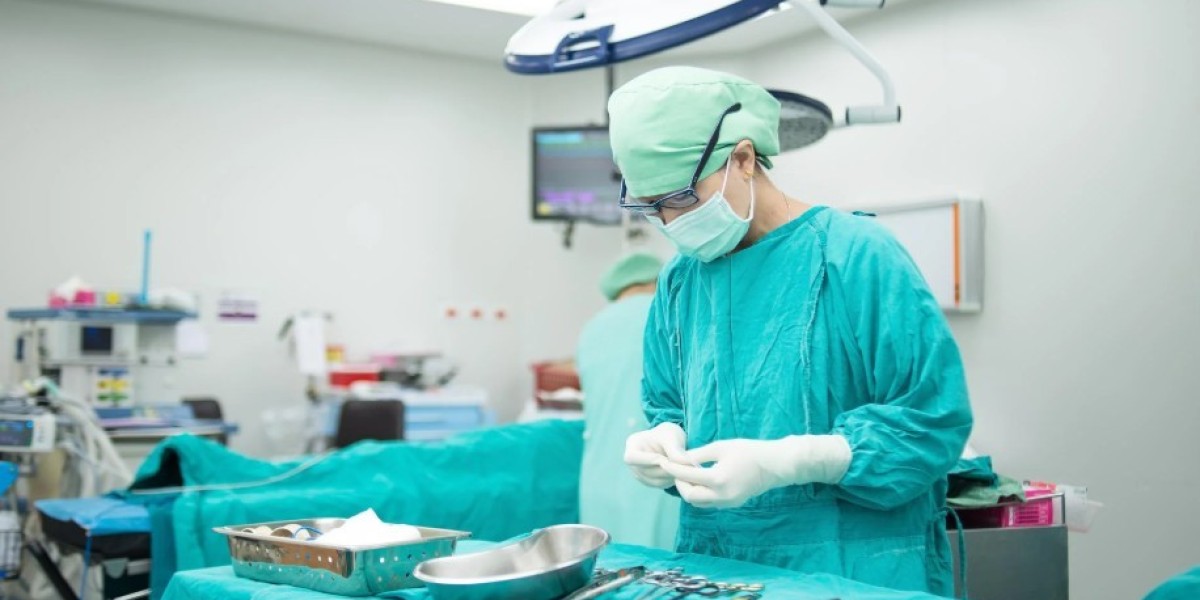

In a busy operating room, time is one of the most critical resources. Surgical schedules are tightly coordinated, and any delay in instrument availability can disrupt procedures, increase patient wait times, and place added pressure on clinical staff. Surgical tray turnaround time refers to the period between when used instruments leave the operating room and when they are cleaned, sterilized, reassembled, and ready for reuse. While there is no single universal timeframe, understanding expected turnaround standards is essential for maintaining efficiency, safety, and workflow continuity in high-demand surgical environments.
Understanding Turnaround Time in the Context of OR Workflow
Turnaround time for surgical trays is closely linked to the overall workflow of the operating room and sterile processing department. In busy facilities, trays may need to be available again within hours rather than days. Turnaround time includes decontamination, inspection, assembly, sterilization, cooling, and storage. Each step must be completed accurately without compromising quality. While speed is important, patient safety always remains the top priority. Rushing processes or skipping steps can lead to serious infection risks. Professionals trained to understand this balance often gain their knowledge through structured education such as a Sterile Processing Technician Course, which emphasizes both efficiency and compliance within fast-paced clinical settings.
Typical Turnaround Time Expectations in High-Volume Hospitals
In many busy hospitals, the expected turnaround time for commonly used surgical trays ranges from four to six hours. For specialty trays or complex instrument sets, this timeframe may be longer. Emergency or trauma cases may require immediate-use sterilization, but this is typically reserved for exceptional circumstances. Facilities often establish internal benchmarks based on surgical volume, staffing levels, and equipment capacity. Meeting these benchmarks requires careful coordination between the OR and sterile processing teams. Clear communication ensures that priorities are understood and resources are allocated appropriately. Understanding how these expectations are set and managed is a key responsibility within sterile processing operations.
Factors That Influence Surgical Tray Turnaround Time
Several variables affect how quickly surgical trays can be processed. Case volume, instrument complexity, staffing levels, and the number of available sterilizers all play significant roles. Equipment downtime or unexpected maintenance issues can quickly slow operations. Additionally, trays with intricate instruments require more time for thorough cleaning and inspection. Case scheduling also influences demand, as back-to-back surgeries using similar trays create pressure for rapid turnaround. Recognizing and managing these factors requires strong operational awareness. This level of understanding is often developed through hands-on experience and formal training such as a Sterile Processing Technician Course, where workflow analysis is a core learning objective.
The Role of the Sterile Processing Department in Meeting Demand
The sterile processing department serves as the backbone of surgical services. Its ability to meet turnaround expectations directly affects OR efficiency. Staff must prioritize trays based on surgical schedules while maintaining strict adherence to cleaning and sterilization standards. Effective tracking systems help monitor tray location and status in real time, reducing delays and miscommunication. Team coordination and clear role assignments allow departments to respond quickly during peak periods. When sterile processing professionals are well-trained and supported, they are better equipped to meet demanding turnaround goals without sacrificing quality or safety.
Balancing Speed with Sterilization Standards and Safety
While fast turnaround is desirable, it must never compromise sterilization standards. Regulatory guidelines and manufacturer instructions dictate minimum cleaning, sterilization, and cooling times that cannot be shortened. Immediate-use sterilization is not intended as a routine solution and should be carefully controlled. Sterile processing professionals must advocate for safe practices even when under pressure. This requires confidence, knowledge, and professional judgment. Training plays a vital role in empowering staff to make informed decisions. Education through a Sterile Processing Technician Course reinforces the importance of maintaining standards while working efficiently in high-pressure environments.
Communication Between the OR and Sterile Processing Teams
Effective communication is essential for managing surgical tray turnaround times. OR staff must provide accurate case schedules and timely notification of changes, while sterile processing teams must communicate realistic expectations and potential delays. Miscommunication can result in missing instruments, rushed processes, or unnecessary stress. Regular coordination meetings and shared tracking tools help align priorities. When both teams understand each other’s challenges, collaboration improves. This teamwork-focused approach supports smoother workflows and better patient outcomes, especially during high-volume surgical days.
Training and Process Improvement for Sustainable Efficiency
Meeting turnaround time expectations consistently requires more than effort; it requires structured training and continuous improvement. Standardized procedures, competency assessments, and workflow evaluations help identify inefficiencies and areas for growth. Ongoing education ensures staff remain current with best practices and regulatory requirements. Investing in professional development, such as a Sterile Processing Technician Course, strengthens technical skills and operational understanding. Well-trained professionals are better equipped to adapt to changing demands, implement process improvements, and support safe, efficient surgical services.
Conclusion
There is no single required turnaround time for surgical trays, but busy operating rooms typically expect availability within a few hours. Achieving this consistently depends on staffing, equipment, communication, and adherence to strict sterilization standards. By balancing efficiency with safety and investing in proper training, healthcare facilities can meet surgical demands without compromising patient care.