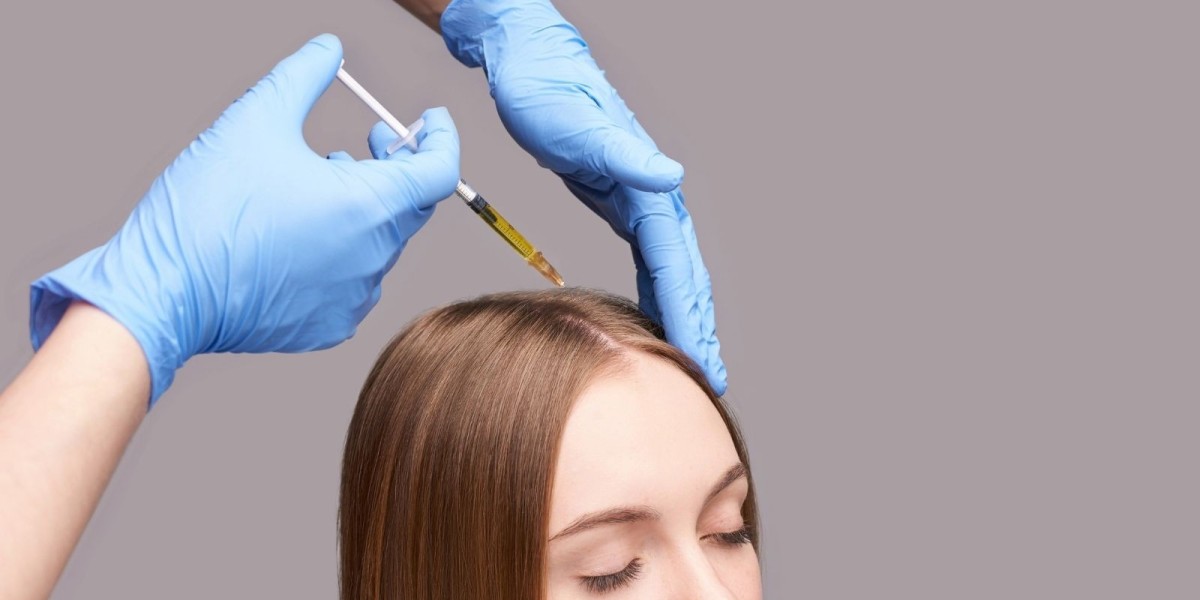

Hair loss affects millions worldwide, and advancements in regenerative medicine have introduced PRP Hair Treatment as a promising solution. Central to its effectiveness are growth factors, specialized proteins that stimulate cellular repair and regeneration. By harnessing the body’s natural healing mechanisms, PRP therapy targets dormant hair follicles, strengthens thinning strands, and encourages healthier scalp function. Understanding the role of growth factors helps patients appreciate why this therapy goes beyond cosmetic treatment to support hair restoration at the biological level.
What Are Growth Factors and Why They Matter:
Growth factors are naturally occurring proteins found in platelets that guide cellular processes. In PRP therapy, dermatologists highlight that:
They stimulate dormant hair follicles, reactivating the growth phase
Promote collagen production, improving scalp elasticity and support for hair roots
Encourage angiogenesis, increasing blood flow to follicles for better nourishment
Regulate cellular repair mechanisms, aiding overall scalp health
These functions explain why PRP Hair Treatment is more than a topical solution—it addresses the underlying biology of hair growth.
How PRP Concentrates Growth Factors:
The effectiveness of PRP therapy depends on isolating and concentrating platelets:
Blood is drawn from the patient and spun in a centrifuge, separating plasma and platelets
Platelet-rich plasma contains 3–5 times more growth factors than normal blood
This concentrated solution is then injected into areas with thinning hair
Dermatologists emphasize that the concentration and technique directly impact results
Concentrating growth factors ensures a robust healing response and maximizes the potential for hair regrowth.
Key Growth Factors in PRP and Their Functions:
Different growth factors play unique roles in hair restoration:
PDGF (Platelet-Derived Growth Factor): stimulates follicle cell proliferation
VEGF (Vascular Endothelial Growth Factor): improves blood supply to hair roots
EGF (Epidermal Growth Factor): promotes new cell growth and tissue repair
TGF-β (Transforming Growth Factor Beta): modulates follicle cycling and hair shaft thickness
Understanding these components helps patients see why PRP targets hair follicles at the cellular level rather than just the surface.
Treatment Protocols Focused on Growth Factor Efficacy:
Dermatologists design PRP sessions to optimize growth factor delivery:
Initial treatments usually involve 4–6 sessions spaced 4–6 weeks apart
Growth factors trigger follicle activation gradually, so visible results take months
Maintenance sessions every 6–12 months help sustain effects
Proper injection depth and technique ensure even distribution and maximum uptake
Following these protocols ensures that the growth factors in PRP work efficiently to rejuvenate hair.
Benefits of Growth Factors in Hair Health:
In addition to stimulating regrowth, growth factors provide multiple advantages:
Strengthen existing hair, reducing breakage and shedding
Improve scalp quality, supporting long-term follicle health
Enhance hair density and thickness over time
May complement other therapies such as topical or oral treatments
These benefits illustrate why PRP is increasingly recommended by hair specialists as part of a comprehensive approach.
Safety and Natural Compatibility:
PRP therapy is highly regarded for its safety due to its autologous nature:
Since growth factors come from the patient’s own blood, the risk of allergic reaction is minimal
Side effects are typically limited to mild redness, swelling, or tenderness
Dermatologists emphasize the importance of sterile techniques and proper handling to avoid complications
The therapy naturally harnesses body’s own regenerative capacity, making it preferable for many patients
This natural compatibility sets PRP apart from chemical or synthetic hair treatments.
Lifestyle and Environmental Factors Affecting Growth Factor Effectiveness:
Dermatologists note that results are influenced by patient habits:
Smoking and alcohol consumption can reduce follicular response
Poor nutrition may limit the effectiveness of growth factors
Stress and hormonal imbalances can slow the regrowth process
Consistent post-treatment care improves outcomes significantly
Patients who follow lifestyle recommendations alongside therapy often experience better hair density and scalp health.
Misconceptions About Growth Factors in PRP:
Despite its success, some myths need clarification:
PRP does not create new hair follicles where none exist
Visible results are gradual, not immediate
PRP is not a substitute for hair transplant in cases of complete baldness
The procedure requires multiple sessions for optimal results
Understanding these realities helps patients approach PRP Hair Treatment with informed expectations.
Final Thoughts
Growth factors are the cornerstone of PRP Hair Treatment, driving follicular activation, improving scalp health, and enhancing hair density over time. By concentrating these naturally occurring proteins, PRP therapy leverages the body’s regenerative capacity to stimulate hair growth safely and effectively. While results vary based on patient characteristics, lifestyle factors, and treatment adherence, consulting with a qualified dermatologist ensures proper technique and realistic expectations. For those seeking a scientifically backed, minimally invasive approach to hair restoration, growth factor-focused PRP offers a powerful and natural solution.