
In an era where smartphones buzz with notifications and screens dominate our workspaces, the way we track time has fundamentally changed. Bsimb digital calendars have evolved from simple scheduling tools into sophisticated command centers for our daily lives, offering features that paper planners could never match.
Understanding Modern Digital Calendar Solutions
Digital calendars come in many forms, each designed to fit different needs and environments. From cloud-based apps that sync across devices to dedicated display units, these tools help us navigate increasingly complex schedules.
The most common type lives on our smartphones and computers—applications like Google Calendar, Apple Calendar, and Outlook that integrate with email, contacts, and other productivity tools. These platforms offer real-time synchronization, ensuring your schedule updates instantly across all your devices.
However, software isn't the only option. Physical digital calendar devices have carved out their own niche, particularly for those who want calendar visibility without the distraction of opening an app.
The Rise of the Digital Wall Calendar
A digital wall calendar serves as a centralized family or office scheduling hub. Unlike traditional wall calendars that require manual updates and offer no flexibility, these electronic displays show dynamic content that updates automatically.
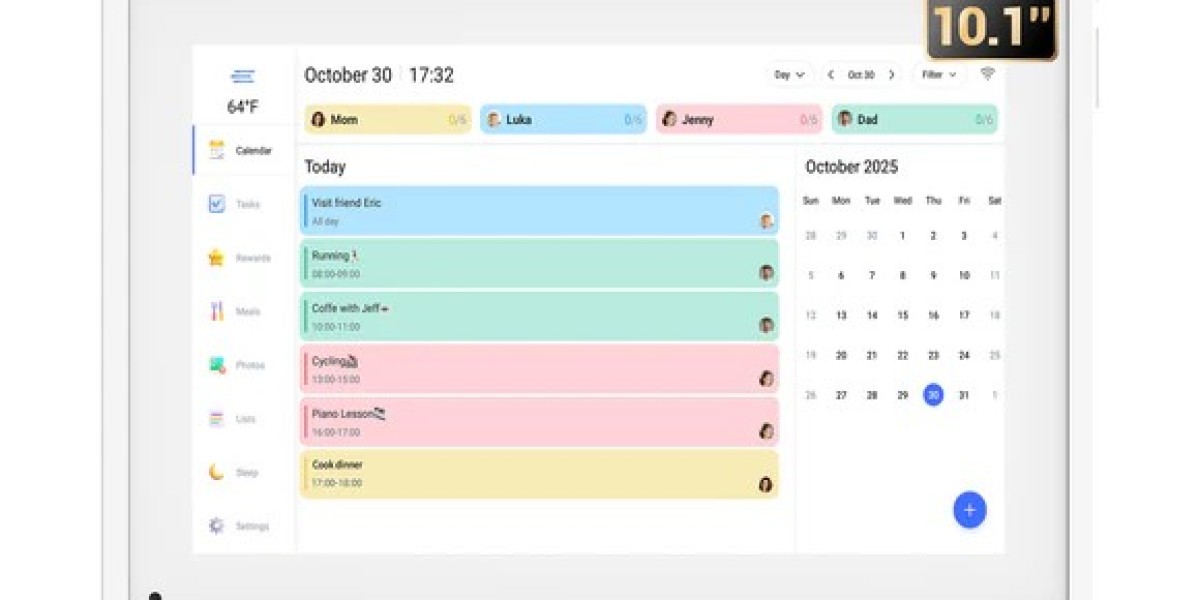
These devices typically feature e-ink or LCD screens ranging from tablet-sized to large format displays. They mount on walls just like their paper predecessors but offer significantly more functionality. Many models display multiple family members' schedules in different colors, show weather forecasts, sync with online calendars, and even display photos during downtime.
For families juggling school schedules, extracurricular activities, work meetings, and appointments, a digital wall calendar creates a shared visual reference point. Everyone passing through the kitchen or hallway can glance at upcoming commitments without unlocking a phone or opening an app. This passive visibility helps household members stay coordinated and reduces the constant question of "what's happening this week?"
In office environments, digital wall calendars display meeting room availability, team schedules, or project deadlines. They transform scheduling from individual knowledge into collective awareness, making collaboration smoother and conflicts less likely.
Digital Desk Calendars: Personal Productivity at Your Fingertips
While wall-mounted options serve groups, a digital desk calendar focuses on individual productivity. These compact devices sit on your workspace, providing at-a-glance schedule access without requiring you to switch windows or unlock devices.
A digital desk calendar typically resembles a small tablet or digital photo frame positioned at a comfortable viewing angle. The best models display your daily agenda, upcoming appointments, task lists, and time-sensitive reminders. Some incorporate touch screens for quick interactions, while others focus purely on display functionality.
The advantage of having a dedicated digital desk calendar becomes clear during focused work sessions. Rather than interrupting your flow to check your phone or computer calendar—potentially getting distracted by notifications or emails—you simply glance at your desk display. This passive information access supports deep work while maintaining schedule awareness.
Many professionals use these devices to display their next few appointments prominently, helping them manage transitions between meetings and work blocks more effectively. The physical presence of a dedicated calendar device also serves as a subtle environmental cue that reinforces time awareness and planning habits.
Key Features That Make Digital Calendars Indispensable
Modern digital calendars offer capabilities that transform how we think about time management. Automatic synchronization means changes made on your phone instantly appear on your computer and any connected displays. This eliminates the duplicated effort and version confusion that plagued earlier digital tools.
Smart notifications provide context-aware reminders. Your calendar can alert you to leave for an appointment based on current traffic conditions, remind you to prepare materials before a meeting, or notify you when a recurring event needs rescheduling.
Integration with other tools creates a seamless productivity ecosystem. Your calendar can automatically add video conference links to virtual meetings, create calendar events from emails, suggest optimal meeting times by checking attendees' availability, and trigger task list updates when project deadlines approach.
Color-coding and multiple calendar views help you categorize commitments and see patterns in how you spend time. Week view might reveal you're overcommitted on Tuesdays, while month view shows how project deadlines cluster.
Choosing the Right Digital Calendar for Your Needs
Selecting a digital calendar solution depends on how you work and what you need to accomplish. Software-based calendars excel at integration and accessibility—they're available wherever you have internet access and connect with countless other apps and services. They're typically free or inexpensive and require no hardware beyond devices you already own.
Physical digital calendar devices trade some flexibility for dedicated visibility. A digital wall calendar makes sense when you need shared schedule awareness in a high-traffic location. Families with children, roommates coordinating shared spaces, or small offices managing meeting rooms benefit most from these installations.
A digital desk calendar serves individual contributors who spend extended periods at a desk and want schedule visibility without digital distraction. Writers, programmers, analysts, and others who engage in deep work often find these devices help them maintain time awareness during focused sessions.
Budget matters too. Software calendars range from free to subscription-based premium tiers. Physical devices require upfront investment, typically between one hundred and several hundred dollars depending on screen size and features.
Maximizing Your Digital Calendar's Effectiveness
Having a digital calendar doesn't automatically improve organization—you need to use it strategically. Start by consolidating all your commitments into one system. Trying to maintain multiple calendars inevitably leads to conflicts and missed appointments.
Schedule everything, not just meetings. Block time for focused work, exercise, meal preparation, and even breaks. When your calendar reflects your actual intended use of time, it becomes a reliable guide rather than just a meeting tracker.
Use descriptive event titles that provide context at a glance. "Meeting" tells you nothing, while "Q1 Budget Review with Finance Team" immediately communicates purpose and participants.
Review your calendar at consistent times—perhaps each morning and the start of each week. This habit keeps you aware of upcoming commitments and provides opportunities to adjust plans when needed.
Take advantage of recurring events for regular commitments, but remember to update or delete them when circumstances change. Outdated recurring events clutter your calendar and undermine trust in your system.
The Future of Digital Time Management
Digital calendars continue evolving with artificial intelligence analyzing scheduling patterns to suggest better time allocation, automatic scheduling assistants that find optimal meeting times and handle the back-and-forth of scheduling, and predictive features that anticipate scheduling conflicts before they occur.
Voice integration allows hands-free calendar management, while augmented reality might eventually project schedule information into your field of vision through smart glasses.
Despite technological advances, the core value remains unchanged: digital calendars help us visualize time, coordinate with others, and align our daily actions with our longer-term goals. Whether displayed on a phone screen, a digital desk calendar at your workspace, or a digital wall calendar in your home, these tools transform abstract time into concrete, manageable reality.