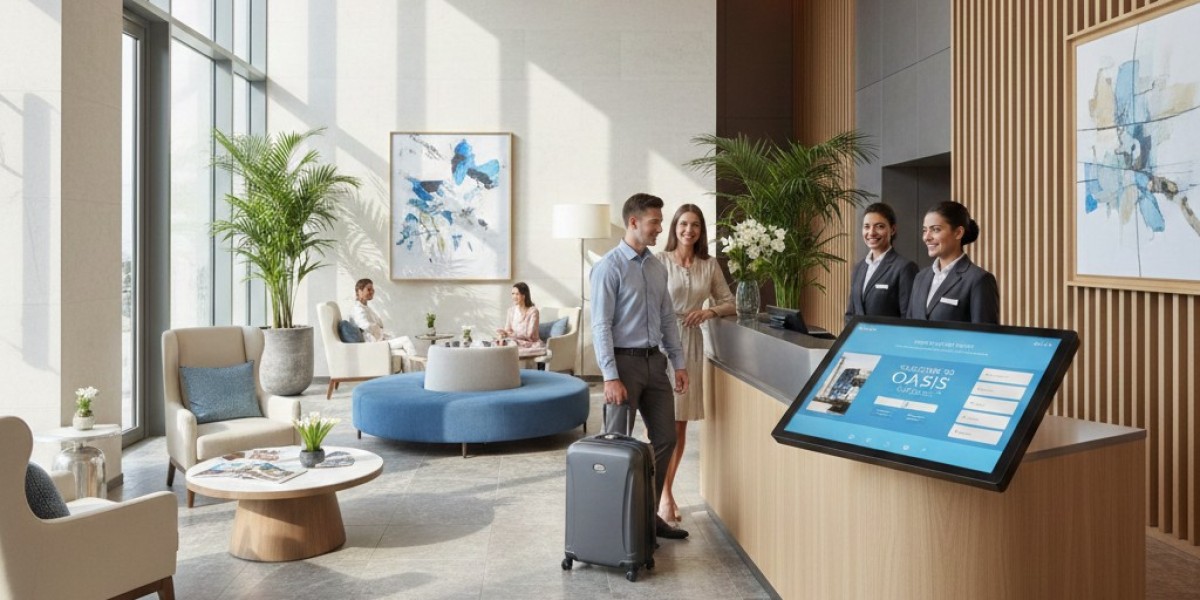

How to Increase Direct Bookings for Hotels and Vacation Rentals
Why Direct Bookings Matter
For hotels and vacation rentals, every booking counts—but not all bookings are created equal. While online travel agencies (OTAs) like Booking.com or Airbnb can help fill rooms, they often take hefty commissions, sometimes up to 15–25% per booking. Over time, those fees add up, directly cutting into your profits.
Thanks for reading this blog!, Looking for professional help with your hotel listings?
? Sign up with SaasAro or call 75000-87037 today!
By encouraging guests to book directly, you keep more of your revenue, strengthen your relationship with your guests, and gain more control over the guest experience. Direct bookings also let you collect valuable customer data for future marketing, build loyalty programs, and offer personalized upsells—all things that OTAs don’t always allow.
In short, direct bookings aren’t just about saving on commissions—they’re about growing your business sustainably while delivering a better experience for your guests.
What Are Direct Bookings and Why They Matter
Direct bookings are reservations made straight through a hotel’s or vacation rental’s own website, rather than through third-party platforms like OTAs (Online Travel Agencies). These bookings give property owners more control, more profit, and a closer connection to their guests.
Benefits of Direct Bookings
Lower costs, higher profits: OTAs charge commissions that can eat into 15–25% of your revenue per booking. Direct bookings eliminate those fees, meaning more money stays in your pocket.
Ownership of guest data: When guests book directly, you gain access to their contact information and preferences. This allows for better marketing, personalized offers, and loyalty programs.
More control: Direct bookings let you set pricing, create packages, and manage the guest experience exactly the way you want, rather than being limited by OTA rules.
How They Compare to OTAs
OTAs are great for visibility and attracting new customers, but they come with downsides:
High commissions that reduce profitability.
Limited access to guest data, making it harder to build repeat business.
Less control over pricing and policies, as OTAs often impose restrictions.
Optimize Your Website to Drive Direct Bookings
Add a High‑Performing Direct Booking Engine
Your booking engine is the heart of direct reservations. A mobile-first, fast, and easy-to-use engine ensures visitors can check availability and book in seconds—right from their phones or tablets. The smoother and faster the experience, the more likely a visitor becomes a guest.
Place Clear Call‑to‑Actions (CTAs)
Guide your visitors with clear, action-oriented buttons like:
“Book Now”
“Check Availability”
“Best Rate Guaranteed”
Place these CTAs strategically throughout your website—on the homepage, room pages, and in the main navigation—so guests never have to hunt for how to book.
Simplify the Booking Process
A lengthy or confusing booking flow can make potential guests abandon their reservations. Keep it simple by:
Reducing the number of steps needed to complete a booking.
Displaying real-time availability so guests know instantly what’s open.
Showing transparent pricing with no hidden fees, building trust and confidence.
A streamlined, trustworthy booking experience makes guests more likely to hit “Confirm” instead of leaving for an OTA.
Offer Exclusive Incentives for Direct Bookings
One of the best ways to encourage guests to book directly is to give them a reason to skip the OTAs. Exclusive perks and incentives make your direct rates more attractive and can turn a casual browser into a confirmed guest.
Incentive Ideas
Complimentary perks: Offer breakfast, parking, or room upgrades to guests who book directly.
Flexible cancellation policies: Give peace of mind with easy cancellations or modifications, something OTAs often restrict.
Loyalty rewards: Provide points, discounts, or special offers for repeat stays booked directly on your website.
By offering these benefits, your direct booking rates become more appealing than OTA prices, while also creating a better, more personalized guest experience. Guests feel valued, and you keep more revenue in your pocket—a win-win for both sides.
Leverage Content Marketing and SEO
Creating valuable content on your website is a powerful way to attract visitors who are ready to book directly. By combining helpful content with SEO best practices, you can reach travelers searching for exactly what your property offers.
Create Engaging Content
Local guides: Share tips on nearby attractions, restaurants, and hidden gems.
Seasonal offers: Highlight special deals during holidays, festivals, or off-peak periods.
Travel tips: Offer advice for families, solo travelers, or business guests to make their trip smoother.
Optimize for Search Engines
Use SEO techniques to make sure your content ranks in Google for searches related to your property and direct bookings.
Sprinkle relevant keywords naturally in your posts, titles, and meta descriptions—think phrases like “book [property name] direct,” “best rates at [property location],” or “direct booking [hotel type].”
By combining helpful content with SEO, your website becomes a go-to resource for travelers, driving more traffic and more direct bookings.
Engage Potential Guests With Email and Social Media
Direct bookings aren’t just about having a great website—they’re also about staying top-of-mind with potential guests. Email and social media are powerful tools to keep travelers engaged and encourage them to book directly.
Build and Nurture an Email List
Collect emails from website visitors and past guests, then send targeted campaigns featuring:
Special direct booking offers
Seasonal promotions or packages
Personalized recommendations based on past stays
Use Social Media to Drive Traffic
Share exclusive deals, promotions, or local highlights on platforms like Instagram, Facebook, or TikTok to:
Showcase your property and nearby attractions
Create urgency with limited-time offers
Direct followers straight to your website’s booking engine
By combining email and social media, you create multiple touchpoints that remind potential guests to book directly—reducing your reliance on OTAs and boosting profitability.
Use Analytics to Improve Your Direct Booking Strategy
To maximize direct bookings, it’s not enough to just set up your website and promotions—you need data-driven insights to see what’s working and where you can improve.
Track Key Metrics
Website traffic sources: Identify whether visitors are coming from search engines, social media, email campaigns, or referrals.
Booking funnel drop-offs: See where potential guests abandon the booking process so you can fix friction points.
Conversion rates: Compare direct bookings versus OTA bookings to measure the effectiveness of your strategies.
Refine Your Approach
Use the insights from analytics to:
Adjust pricing or promotions based on what drives direct bookings
Optimize your website user experience to reduce drop-offs
Tailor marketing campaigns to your most engaged audiences
By regularly monitoring and acting on these metrics, you can continuously improve your direct booking strategy, increase revenue, and build stronger relationships with your guests.
Reduce Dependence on OTAs Without Losing Visibility
While OTAs are great for reaching new audiences, relying on them too heavily can eat into your profits. The key is balancing OTA exposure with direct booking growth.
Maintain OTA Presence Strategically
Keep your profiles active to capture broad visibility and attract new travelers—but always highlight the perks of booking directly on your website, such as exclusive offers, loyalty rewards, or flexible policies.
Implement Smart Rate Parity
Ensure your direct booking rates are equal to or better than OTA rates. Guests are more likely to choose your site when they see they’re getting the best value, without extra fees.
Use Targeted Campaigns
Drive traffic to your website through:
Email newsletters highlighting direct booking perks
Social media promotions that link to your booking engine
Paid campaigns targeting travelers who have already visited your site
By strategically using OTAs while promoting direct bookings, you maintain visibility without sacrificing profitability, building a healthier, more sustainable revenue stream.
Real Results from Direct Booking Optimization
Many hotels and vacation rentals have seen dramatic improvements in revenue and guest engagement by focusing on direct bookings. Optimizing booking flows, offering exclusive incentives, and improving website UX can turn casual browsers into loyal guests.
Success Stories
Some boutique hotels reported a 30–45% increase in direct bookings after redesigning their booking engines and simplifying the checkout process.
Vacation rentals that offered exclusive perks like complimentary breakfast or flexible cancellations saw guests choosing direct reservations over OTAs.
Properties that leveraged targeted email campaigns and social media promotions drove repeat bookings and reduced dependence on third-party platforms.
These examples show that a strategic, guest-focused direct booking approach not only boosts revenue but also strengthens relationships with travelers, giving properties more control and long-term profitability.
Conclusion
Increasing direct bookings doesn’t happen by chance—it takes strategy, consistency, and a guest-focused approach. By implementing the core tactics outlined in this guide, hotels and vacation rentals can maximize revenue, reduce OTA dependency, and build stronger relationships with guests.
Frequently Asked Questions (FAQs)
1. What exactly are direct bookings?
Direct bookings are reservations made through your hotel or vacation rental’s own website, bypassing OTAs like Booking.com or Airbnb. They give you more control, reduce commission costs, and allow for a personalized guest experience.
2. Why are direct bookings more profitable than OTA bookings?
OTAs typically charge 15–25% in commissions per booking, which can significantly reduce your revenue. Direct bookings eliminate these fees, letting you keep more of your earnings while also collecting valuable guest data for marketing and loyalty programs.
3. How can I make my website more effective for direct bookings?
Focus on:
A fast, mobile-friendly booking engine
Clear CTAs like “Book Now” or “Check Availability”
A simplified booking process with transparent pricing and real-time availability
4. What incentives work best to encourage direct bookings?
Guests respond well to:
Complimentary perks (breakfast, room upgrades)
Flexible cancellation policies
Loyalty points or repeat-stay discounts
5. Should I stop using OTAs entirely?
Not necessarily. OTAs are great for visibility, but your goal should be to reduce reliance on them while steering traffic to your website. Maintain OTA profiles, but promote the benefits of booking direct.
6. How can marketing help increase direct bookings?
Use content marketing, SEO, email campaigns, and social media to:
Attract travelers actively searching for your property
Promote exclusive direct booking offers
Engage past guests and encourage repeat stays
7. How do I know if my direct booking strategy is working?
Track metrics such as:
Website traffic sources
Funnel drop-offs during the booking process
Conversion rates for direct bookings vs OTAs
Revenue growth and repeat guest bookings
8. Can small properties compete with larger hotels in direct bookings?
Absolutely! Smaller properties can leverage personalized experiences, exclusive perks, and strong local content to attract travelers who value a tailored, direct booking experience.