
Introduction:
Today’s travelers have more ways than ever to book a hotel room. From online travel agencies like Booking.com and Expedia to hotel websites, mobile apps, and even social media, guests expect to find availability instantly—wherever they’re searching.
Thanks for reading this blog!, Looking for professional help with your hotel listings?
? Sign up with SaasAro or call 75000-87037 today!
While this is great for guests, it creates a real challenge for hotels. Managing rates, availability, and bookings across multiple online channels can quickly become time-consuming and error-prone. Updating each platform manually increases the risk of double bookings, inconsistent pricing, and missed revenue opportunities.
That’s where a Hotel Channel Manager comes in. A channel manager acts as a central control system that connects your property to all your online booking channels. With one update, your availability and rates are automatically synced everywhere, helping you save time, avoid mistakes, and reach more guests with confidence.
What Is a Hotel Channel Manager?
A hotel channel manager is a tool that helps hotels manage all their online booking channels from one place. Instead of updating availability and prices on each website separately, hotels can make one update and have it automatically reflected everywhere.
How Does a Hotel Channel Manager Work?
A channel manager connects your hotel’s property management system (PMS) with online booking platforms such as OTAs, your hotel website, and other sales channels. When a room is booked on one channel, the system instantly updates availability across all others. This real-time syncing keeps information accurate and up to date—without manual effort.
Manual Updates vs. Automated Channel Management
Manual updates require staff to log into multiple platforms to change rates, availability, and restrictions. This process is slow, repetitive, and increases the risk of errors like double bookings or mismatched prices.
Automated channel management, on the other hand, does the work for you. Updates happen instantly across all channels, saving time, reducing mistakes, and ensuring guests always see accurate information—no matter where they book.
Why Hoteliers Need a Channel Manager
Managing online bookings without a channel manager can quickly become overwhelming. As hotels list their rooms on more platforms, keeping everything accurate and up to date becomes harder—and more risky.
Common Problems Without a Channel Manager
Without a centralized system, hoteliers often struggle with:
Manually updating rates and availability across multiple booking sites
Increased risk of overbookings when rooms sell on different channels at the same time
Inconsistent pricing, which can confuse guests and damage trust
Lost bookings due to outdated availability
Staff spending valuable time on repetitive admin tasks instead of guest service
How a Channel Manager Reduces Overbookings and Rate Inconsistencies
A channel manager automatically syncs your room availability and rates across all connected channels in real time. When a booking is made on one platform, availability is instantly updated everywhere else. This automation ensures:
No double bookings
Consistent pricing across all channels
Accurate availability shown to guests at all times
Time-Saving and Revenue Benefits for Hoteliers
By automating channel management, hoteliers save hours of manual work every week. This efficiency allows teams to focus on delivering better guest experiences. At the same time, accurate listings and wider online exposure help maximize occupancy, prevent revenue loss, and ultimately increase profitability.
How a Hotel Channel Manager Works
A hotel channel manager simplifies the way hotels manage online bookings by keeping all sales channels connected and up to date automatically.
Real-Time Rate and Availability Updates
Whenever a room is booked, canceled, or updated on any connected channel, the channel manager instantly adjusts availability and rates across all other platforms. This real-time synchronization ensures guests always see accurate information, while hotels avoid overbookings and pricing errors.
Centralized Dashboard for All Booking Channels
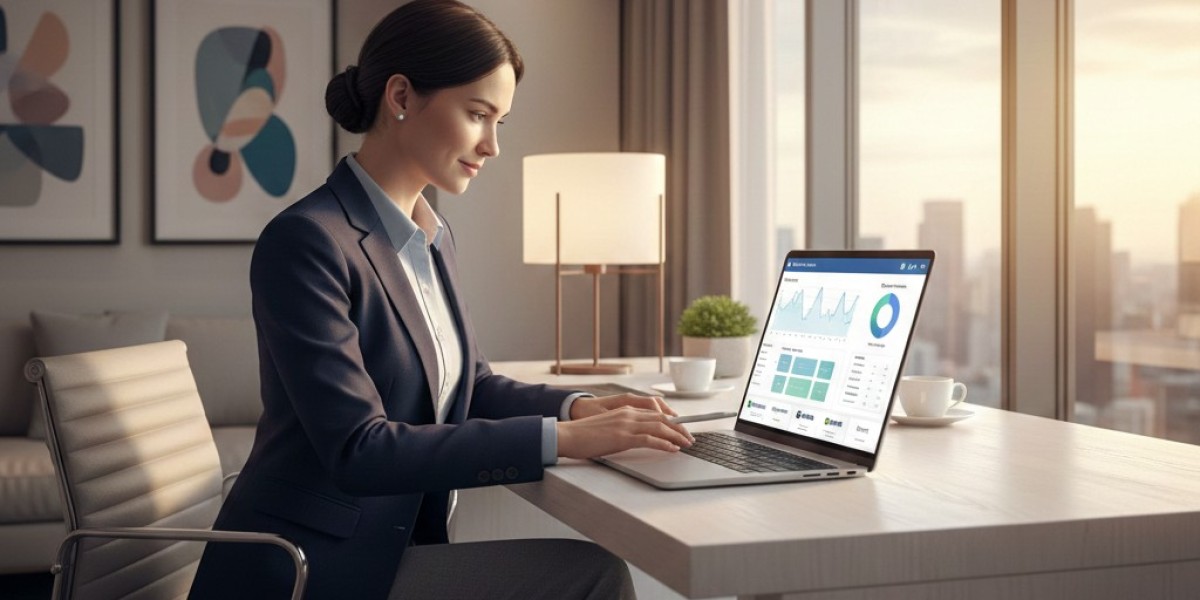
Instead of logging into multiple extranets, hoteliers manage everything from one centralized dashboard. From here, they can update room rates, availability, restrictions, and promotions across all channels at once—saving time and reducing manual work.
Two-Way vs. One-Way Channel Management
Two-way channel management allows information to flow in both directions. Bookings, cancellations, and modifications from online channels are automatically sent back to the hotel’s system, ensuring full synchronization.
One-way channel management only pushes updates from the hotel to the booking channels. While availability and rates are shared, bookings must still be checked and managed manually, making it less efficient and more error-prone.
Key Features of a Hotel Channel Manager
A hotel channel manager comes with powerful features designed to simplify distribution, reduce errors, and boost revenue—without adding complexity.
Multi-OTA Connectivity
A channel manager connects your hotel to multiple online travel agencies (OTAs) such as Booking.com, Expedia, Airbnb, and many more. This allows you to manage all your listings from one place and reach a wider audience without extra effort.
Real-Time Inventory Synchronization
Room availability is updated in real time across all connected channels. When a room is booked on one platform, it’s instantly removed from others—helping prevent overbookings and ensuring guests always see accurate availability.
Rate Parity Management
A channel manager helps maintain consistent pricing across all booking channels. With centralized rate control, you avoid mismatched prices that can confuse guests, violate OTA agreements, or hurt your brand credibility.
Automated Booking Updates
Bookings, cancellations, and modifications are automatically synced back to your system. This eliminates manual entry, reduces mistakes, and keeps your front desk and reservations team fully up to date at all times.
Reporting and Analytics
Built-in reports give you clear insights into booking performance, channel contribution, and revenue trends. These insights help hoteliers make smarter pricing and distribution decisions based on real data—not guesswork.
Benefits of Using a Hotel Channel Manager
A hotel channel manager helps hoteliers take control of their online distribution while saving time, reducing errors, and increasing revenue.
Increase Online Visibility
By connecting your property to multiple booking platforms at once, a channel manager expands your online presence. This means your hotel appears where guests are searching—leading to more booking opportunities without extra workload.
Prevent Overbookings
Real-time inventory synchronization ensures that when a room is booked on one channel, availability is instantly updated everywhere else. This eliminates double bookings and protects your hotel’s reputation.
Improve Operational Efficiency
Managing all booking channels from one dashboard reduces repetitive manual work. Your team spends less time updating extranets and more time focusing on guest service and daily operations.
Boost Direct and OTA Revenue
Accurate availability, consistent rates, and wider exposure help maximize occupancy. With better control over pricing and distribution, hoteliers can increase revenue from both OTAs and direct bookings.
Better Guest Experience
Guests see accurate prices and availability across all platforms, receive instant confirmations, and enjoy smoother check-in experiences. Fewer errors behind the scenes lead to happier guests and better reviews.
Hotel Channel Manager vs Property Management System (PMS)
While both systems play a key role in hotel operations, they serve different purposes. Understanding the difference helps hoteliers choose the right tools—and use them together effectively.
Channel Manager vs PMS: What’s the Difference?
A Hotel Channel Manager focuses on online distribution. It manages room availability, rates, and bookings across multiple online travel agencies (OTAs) and booking channels.
A Property Management System (PMS) manages the hotel’s day-to-day operations. This includes reservations, guest check-ins and check-outs, room assignments, billing, housekeeping, and reporting.
In short:
The channel manager handles where rooms are sold
The PMS manages how the hotel operates once a booking is made
How Both Systems Work Together
When integrated, the channel manager and PMS share information automatically. A booking made on an OTA flows through the channel manager and into the PMS, where it appears instantly on the front desk system. Any changes made in the PMS—such as room availability or rate updates—are sent back through the channel manager to all connected booking channels.
This two-way communication keeps everything aligned without manual updates.
Why PMS Integration Is Important
PMS integration ensures real-time accuracy across all systems. It:
Prevents overbookings and data mismatches
Reduces manual data entry and human error
Saves time for front desk and reservations teams
Provides a smoother experience for both staff and guests
Without proper PMS integration, hotels risk outdated information, operational inefficiencies, and lost revenue opportunities.
Who Should Use a Hotel Channel Manager?
A hotel channel manager is ideal for any property that sells rooms across multiple online platforms. Whether you manage a small property or a large operation, it helps simplify distribution and maximize bookings.
Independent Hotels
Independent hotels often operate with smaller teams. A channel manager reduces manual work by managing all booking channels from one dashboard, helping owners and staff save time, avoid overbookings, and compete effectively with larger brands.
Boutique Hotels
Boutique hotels rely on strong online visibility and consistent pricing to attract the right guests. A channel manager ensures accurate availability across all platforms while allowing hoteliers to focus on delivering unique, personalized guest experiences.
Resorts
Resorts typically manage multiple room types, rate plans, and seasonal pricing. A channel manager keeps inventory and rates synchronized across channels, making it easier to handle high booking volumes and complex pricing strategies without errors.
Vacation Rentals and Serviced Apartments
With listings often spread across platforms like Airbnb, Booking.com, and Expedia, managing availability manually can be challenging. A channel manager keeps calendars in sync, prevents double bookings, and simplifies operations across multiple properties and locations.
How to Choose the Right Hotel Channel Manager
Selecting the right channel manager can make a big difference in your daily operations, revenue, and online reach. Here’s what to look for:
1. Ease of Use
Choose a system that’s intuitive and easy to navigate, allowing your team to adopt it quickly without extensive training. A clean dashboard, simple setup, and reliable support help reduce errors and operational friction.
Questions to ask:
Can rates and availability be updated in a few clicks?
Is the interface clear for front desk and reservations staff?
Is onboarding or customer support available?
2. Supported OTAs
Ensure the channel manager connects with the online travel agencies your guests use most, such as Booking.com, Expedia, Airbnb, and others.
Why it matters:
Broader OTA connectivity increases visibility and booking potential without adding manual workload.
3. PMS Integration
Integration with your Property Management System (PMS) is essential. A strong channel manager should seamlessly exchange data with your PMS so that:
Bookings flow automatically into the PMS
Availability and rates update across all channels in real time
Manual data entry and discrepancies are minimized
This integration leads to smoother operations and fewer errors.
4. Pricing and Scalability
Look for transparent pricing that aligns with your business size and growth plans:
Is the pricing model clear and within budget?
Are there additional costs for extra channels or users?
Can the system scale as your property or portfolio grows?
A scalable solution ensures long-term value without unexpected costs.
Why channelmanager.live Is a Smart Choice
channelmanager.live is designed to meet the needs of modern hoteliers by offering:
A user-friendly interface that simplifies daily channel management
Support for major OTAs to expand online visibility
Reliable PMS integration for real-time synchronization
Flexible pricing suitable for independent hotels, resorts, and multi-property operations
Common Mistakes to Avoid When Using a Channel Manager
A hotel channel manager is a powerful tool—but to get the best results, it needs to be used correctly. Avoiding these common mistakes can help protect revenue, reduce errors, and improve overall performance.
Not Syncing Rates Correctly
Failing to properly sync rates across all channels can lead to price mismatches, guest confusion, and even lost bookings. Always ensure that rate updates are pushed consistently and check regularly that all channels are displaying the correct prices.
Tip: Set one primary rate source and use the channel manager to distribute it across all platforms.
Ignoring OTA Performance Data
Many hoteliers overlook the performance insights available within their channel manager. Ignoring data such as booking volume, revenue by channel, or conversion trends can lead to poor distribution decisions.
Tip: Review channel performance regularly to identify which OTAs are driving the most bookings and adjust pricing or availability accordingly.
Choosing a System Without Proper Support
A channel manager should come with reliable customer support, especially during setup and high-demand periods. Choosing a system without strong support can result in unresolved issues, syncing errors, and operational stress.
Tip: Select a provider that offers onboarding assistance, responsive support, and clear documentation.
Future of Hotel Channel Management
Hotel distribution is evolving quickly as technology reshapes how guests search, compare, and book accommodations. Channel management will continue to play a central role in helping hotels stay competitive in an increasingly digital market.
Automation and AI in Hotel Distribution
Automation and artificial intelligence are transforming how hotels manage rates, availability, and distribution. AI-powered systems can analyze demand patterns, booking behavior, and market trends to suggest smarter pricing and distribution strategies. As automation increases, hoteliers will spend less time on manual updates and more time focusing on guest experience and revenue growth.
Growing Importance of Real-Time Data
Real-time data is becoming essential in hotel distribution. Guests expect instant availability and accurate pricing across all platforms. Channel managers that provide real-time syncing and live performance insights allow hoteliers to react quickly to demand changes, reduce booking errors, and make data-driven decisions with confidence.
Direct Booking Integrations
Direct bookings are becoming a priority for hotels looking to reduce commission costs and build stronger guest relationships. Modern channel managers are expanding direct booking integrations by connecting seamlessly with hotel websites, booking engines, and digital marketing tools. This creates a unified distribution strategy where direct and OTA channels work together rather than compete.
Conclusion:
Managing multiple online booking channels doesn’t have to be complicated. A hotel channel manager keeps your rates, availability, and bookings in sync across all platforms, reduces errors, saves time, and helps you maximize revenue.
By choosing the right system—with strong PMS integration, broad OTA support, and easy-to-use features—hoteliers can focus less on repetitive tasks and more on delivering an exceptional guest experience.
Take the next step toward streamlined operations and smarter distribution by exploring channelmanager.live, a solution designed to make hotel channel management simple and effective.
Frequently Asked Questions (FAQs)
1. What is a hotel channel manager?
A hotel channel manager is a tool that connects your property to multiple online booking platforms. It automatically updates room availability, rates, and restrictions across all channels in real time, reducing errors and saving time.
2. Do I need a channel manager if I already have a PMS?
Yes. While a PMS handles your day-to-day hotel operations, a channel manager focuses on online distribution. When integrated with your PMS, the two systems work together to automatically sync bookings, rates, and availability.
3. Can a channel manager prevent overbookings?
Absolutely. By updating all connected channels in real time, a channel manager ensures that once a room is booked on one platform, it’s instantly removed from others, reducing the risk of double bookings.
4. Which types of hotels benefit from a channel manager?
Independent hotels, boutique hotels, resorts, vacation rentals, and serviced apartments all benefit from a channel manager—especially properties managing multiple online channels.
5. What’s the difference between one-way and two-way channel management?
One-way: Only sends updates from your hotel to booking platforms.
Two-way: Sends updates both ways, so bookings, cancellations, and modifications from OTAs automatically sync with your PMS. Two-way is more efficient and reduces errors.
6. How do I choose the right channel manager?
Key factors to consider include: ease of use, supported OTAs, PMS integration, pricing, and scalability. A good system should save time, reduce errors, and grow with your hotel.
7. Can a channel manager help increase revenue?
Yes. By ensuring accurate rates and availability across all channels, increasing online visibility, and enabling smarter pricing decisions, a channel manager can help maximize both OTA and direct bookings.
8. Why choose channelmanager.live?
channelmanager.live offers a user-friendly interface, wide OTA support, strong PMS integration, and scalable pricing—making it a smart choice for hotels looking to streamline operations and boost bookings.