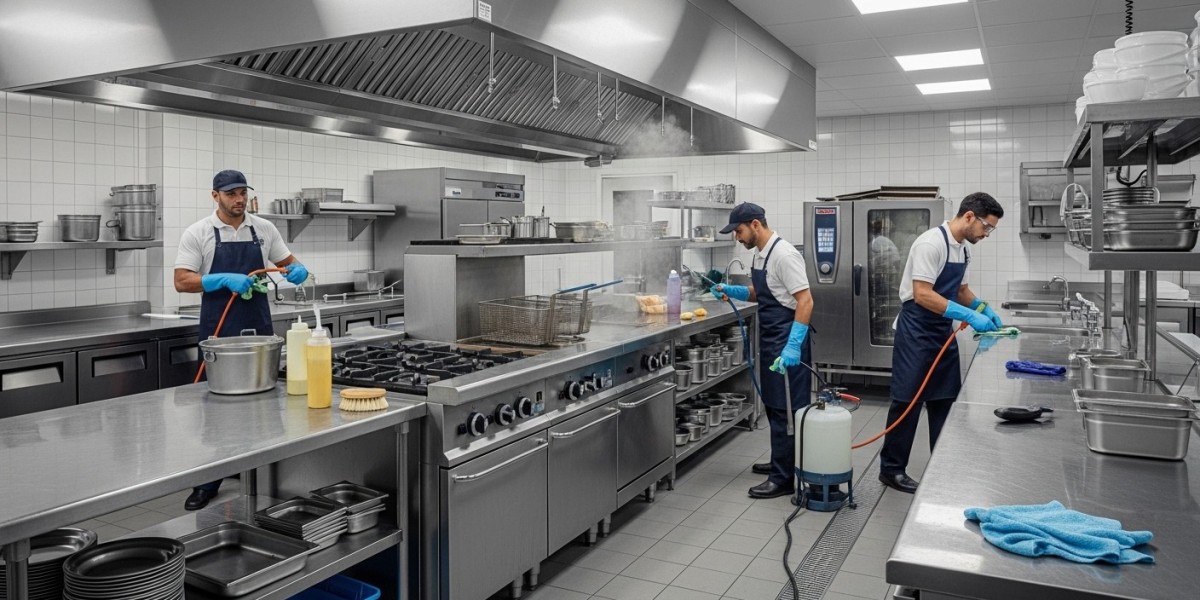

Commercial kitchens operate under intense daily pressure, with constant food preparation, high temperatures, and heavy equipment use creating an environment where cleanliness directly impacts success. While daily cleaning routines handle surface-level maintenance, restaurant deep cleaning goes far beyond wiping down counters and mopping floors. It involves systematically addressing every corner, crevice, and component of the kitchen to maintain the highest standards of hygiene, safety, and operational efficiency.
For restaurant owners and kitchen managers, implementing a comprehensive deep cleaning program isn't just about aesthetics or passing inspections. It's a fundamental business practice that protects customers, staff, and the establishment itself. Deep cleaning reduces fire hazards, prevents pest infestations, extends the lifespan of expensive equipment, and creates a foundation for consistent food safety compliance.
Why Deep Cleaning Is Essential for Restaurant Operations
Food Safety and Public Health
Foodborne illness outbreaks can devastate a restaurant's reputation and financial stability. Deep cleaning eliminates hidden bacteria, mold, and other pathogens that daily cleaning routines miss. Areas like the backs of refrigeration units, underneath cooking equipment, and inside ventilation systems can harbor dangerous microorganisms that contaminate food preparation surfaces and ingredients.
Health departments require restaurants to maintain sanitary conditions that prevent cross-contamination and foodborne illness. Regular deep cleaning demonstrates compliance with food hygiene regulations and provides documented evidence of sanitation efforts during inspections.
Fire Risk Reduction
Grease accumulation represents one of the most serious fire hazards in commercial kitchens. While visible grease on stovetops gets cleaned daily, grease vapor travels through exhaust systems and settles in hoods, ducts, and fans. Over time, this buildup becomes highly flammable. The National Fire Protection Association (NFPA) Standard 96 mandates regular cleaning of kitchen ventilation systems specifically to prevent grease fires.
Deep cleaning addresses these hidden fire risks by thoroughly degreasing exhaust systems, removing buildup from behind and beneath equipment, and cleaning areas where grease splatter accumulates over weeks and months.
Equipment Efficiency and Longevity
Commercial kitchen equipment represents a substantial capital investment. Refrigeration units clogged with dust and grease work harder to maintain temperature, consuming more energy and wearing out faster. Ovens with carbonized food buildup heat unevenly and require more fuel. Fryers with degraded oil and residue produce lower-quality food and need more frequent oil changes.
Systematic deep cleaning maintains equipment at peak performance, reduces energy costs, and extends the operational life of expensive appliances. The cost of regular deep cleaning pales in comparison to premature equipment replacement or emergency repairs.
Regulatory Compliance and Inspection Readiness
Health inspections can occur with little or no warning. Restaurants that maintain rigorous deep cleaning schedules face these inspections with confidence rather than anxiety. Violations related to cleanliness can result in point deductions, mandatory reinspections, or in serious cases, temporary closure. Deep cleaning ensures that every area inspectors might examine meets or exceeds standards.
Beyond health departments, insurance companies and fire marshals also evaluate kitchen cleanliness. Documented deep cleaning schedules can favorably influence insurance premiums and demonstrate due diligence in risk management.
The Complete Restaurant Kitchen Deep Cleaning Checklist
Cooking Equipment
Fryers: Drain and filter oil completely. Remove fryer baskets and clean thoroughly. Scrub the interior tank to remove carbonized food particles and polymerized oil. Clean heating elements and temperature probes. Descale if mineral buildup is present. Check and clean pilot lights and burner assemblies.
Grills and Griddles: Remove cooking grates and scrape away all carbonized residue. Clean grease traps and drip pans. Degrease burners and heat deflectors. Polish cooking surfaces and apply a thin protective oil coating. Clean gas lines and check for proper flame patterns.
Ovens and Ranges: Remove all racks, trays, and removable components for separate cleaning. Degrease oven interiors, including walls, ceilings, and floors. Clean door gaskets and hinges. Address any baked-on spills on exterior surfaces. Clean control panels and knobs. For convection ovens, clean fan blades and vents.
Steamers and Combi Ovens: Descale water lines and steam generators. Clean door seals and drainage systems. Remove mineral deposits from interior surfaces. Sanitize all food contact areas.
Kitchen Hood Systems and Exhaust Ducts
Kitchen ventilation systems require specialized attention due to fire safety implications. Remove and soak hood filters in degreasing solution. Scrub the interior hood surfaces to remove grease accumulation. Clean exhaust fan blades and motor housings. For Exhaust system cleaning frequency depends on cooking volume: monthly for high-volume operations using solid fuel, quarterly for moderate-volume facilities, and semi-annually for low-volume kitchens. Documentation of these cleanings is essential for fire safety compliance.
Refrigeration and Cold Storage
Walk-in Coolers and Freezers: Remove all food items and temporary storage. Defrost if ice buildup is present. Wash walls, ceilings, and floors with food-safe sanitizer. Clean door gaskets, hinges, and handles. Vacuum condenser coils. Check and clean drainage systems. Verify temperature accuracy with calibrated thermometers.
Reach-in Refrigerators and Freezers: Follow similar procedures for smaller units. Pay special attention to drawer tracks, shelving supports, and door seals where food particles and moisture accumulate.
Prep Surfaces and Cutting Boards
Deep clean all stainless steel work tables, removing them from walls if possible to access all sides. Sanitize cutting boards, replacing any with deep grooves or cracks that harbor bacteria. Clean and sanitize can opener blades, which are frequently overlooked contamination points. Address any rust spots on metal surfaces and repair or replace damaged prep areas.
Floors, Drains, and Grease Traps
Floors: Move all mobile equipment to clean underneath. Scrub floor tiles and grout lines with appropriate degreaser. Power wash if equipped with floor drains. Pay special attention to corners and edges where debris accumulates.
Drains: Remove drain covers and clean thoroughly. Use enzymatic drain cleaners to break down organic buildup. Flush with hot water. Check for slow drainage that might indicate deeper plumbing issues.
Grease Traps: Completely empty and clean grease traps according to local regulations. Many municipalities require licensed professionals to pump and clean grease interceptors. Maintain detailed records of grease trap service for regulatory compliance.
Walls, Ceilings, and Splash Zones
Grease vapor doesn't just travel horizontally; it rises and settles on upper surfaces. Walls behind cooking equipment, splash zones around sinks, and ceilings above heat sources require regular deep cleaning. Use appropriate degreasers for the surface material. Address any peeling paint or damaged wall coverings, as these create harboring spots for pests and bacteria.
Tile grout in wet areas should be scrubbed and sanitized. Consider applying grout sealant after deep cleaning to make future maintenance easier.
Dishwashing Areas and Sinks
Dish Machines: Delime spray arms and nozzles. Clean interior chambers and door gaskets. Descale heating elements. Clear debris from drain screens and wash pump filters. Verify that the machine reaches proper sanitizing temperatures.
Three-Compartment Sinks: Scrub all sink basins, paying attention to corners and drain areas. Clean faucets and spray attachments. Sanitize drain boards and surrounding surfaces. Replace worn sink mats or drainage inserts.
Additional Critical Areas
Dry Storage: Remove all items from shelving. Vacuum and wipe down all shelves. Check for pest activity signs. Clean storage container exteriors. Verify that nothing is stored directly on floors.
Ice Machines: Clean interior bins with food-safe sanitizer. Descale water lines. Clean air filters and exterior vents. Replace worn door gaskets.
Small Equipment and Utensils: Deep clean slicers, mixers, food processors, and other equipment. Disassemble per manufacturer instructions to access all components. Sanitize knife storage and utensil holders.
Implementing an Effective Deep Cleaning Schedule
Weekly Tasks
Certain high-traffic or high-soil areas benefit from weekly deep cleaning attention: areas behind and beneath frequently moved equipment, walk-in cooler floors, frequently used prep surfaces beyond daily cleaning, and grease trap inspection and light cleaning.
Monthly Tasks
Schedule monthly deep cleaning for cooking equipment interiors, hood filters and accessible hood surfaces, reach-in refrigeration unit coils and gaskets, and floor drain maintenance.
Quarterly Tasks
Every three months, address comprehensive equipment cleaning for all major appliances, exhaust system professional cleaning for moderate-volume kitchens, deep cleaning of all vertical surfaces including walls and ceilings, and full deep cleaning of dry storage areas.
Annual Tasks
Once yearly, conduct thorough inspection and deep cleaning of all equipment with professional servicing as needed, complete exhaust duct cleaning and inspection, professional grease trap pumping and cleaning, and comprehensive facility assessment for repairs or upgrades needed.
Best Practices for Deep Cleaning Success
1. Start With an Assessment
Begin every deep clean by walking through the space. Look for high-traffic areas, frequently touched surfaces, and delicate materials like stone, wood, or upholstery that may need special care. Identify clutter that should be cleared before cleaning. Observing the layout and problem spots helps plan the job, making it more efficient and organized. This preparation ensures you have the right tools, products, and techniques ready, reduces mistakes, and saves time by preventing unnecessary rework.
2. Declutter Before Cleaning
Clear surfaces and remove items before starting. Things like décor, papers, clothes, or small appliances can slow you down and block access to corners and edges. Sort items into “keep,” “relocate,” “trash,” or “donate” piles to create more workspace. Decluttering helps cleaners focus on removing dirt instead of constantly moving things around. In rental or move-in/move-out cleaning, this step also prevents accidental damage to clients’ belongings while improving efficiency.
3. Clean Top to Bottom, Back to Front
Clean in a logical order to save time and avoid rework. Start with ceilings, light fixtures, and vents, then move to walls, shelves, and furniture, finishing with floors. Dust and dirt naturally fall downward, so cleaning top surfaces first prevents re-soiling lower areas. Working from the back of the room to the front avoids footprints on freshly cleaned floors. This method is effective for homes, offices, or commercial spaces, ensuring no areas are missed.
4. Use Appropriate Tools & Products
Use the right cleaning tools and chemicals for each surface. Microfiber cloths prevent streaks on glass and stainless steel, while pH-neutral cleaners protect natural stone. HEPA-filter vacuums capture fine dust, improving air quality. Specialized brushes and pads make scrubbing easier and safer. Using the wrong product can damage surfaces or leave residue. Professionals also check dwell times and proper dilution to ensure cleaning chemicals work effectively without harming surfaces.
5. Target Hidden & Overlooked Areas
Deep cleaning goes beyond visible surfaces. Focus on areas often missed in routine cleaning, such as baseboards, vents, window tracks, filters, and behind appliances. These spots can harbor dust, germs, or moisture, affecting air quality and causing odors. Neglecting hidden areas may lead to complaints in rentals or inspections. Thorough cleaning demonstrates attention to detail and helps identify issues like leaks, mold, or wear-and-tear that may need repair.
Conclusion
Deep cleaning in restaurants is more than a compliance requirement it’s a smart investment that benefits every part of your operation. Regular, thorough cleaning protects public health, reduces fire hazards, extends the life of equipment, and ensures smooth health inspections. It also improves efficiency, reduces costly breakdowns, and enhances overall workplace safety.For restaurant owners, the real question isn’t whether you can afford to prioritize deep cleaning it’s whether you can afford not to. Start small, document the process, and gradually expand your program until deep cleaning is as routine as prepping ingredients. A clean, safe, and well-maintained kitchen becomes the engine that drives operational excellence, profitability, and lasting success.
Frequently Asked Questions
1. How often should a restaurant perform deep cleaning?
High-volume kitchens may need monthly deep cleaning of exhaust systems; moderate-volume kitchens quarterly. Weekly attention to high-traffic areas, monthly cleaning of cooking equipment, and annual professional servicing of ducts and grease traps is standard. Health codes may dictate minimum frequencies.
2. What's the difference between daily cleaning and deep cleaning?
Daily cleaning handles visible dirt, surfaces, and floors. Deep cleaning tackles hidden areas behind/beneath equipment, inside vents, appliances, drains, walls, and ceilings.
3. Can staff handle deep cleaning, or should professionals be hired?
Staff can handle routine deep cleaning. Professionals are recommended for exhaust duct cleaning, grease trap disposal, specialized equipment, and high-access areas. A hybrid approach works best.
4. What are the risks of neglecting deep cleaning?
Risks include health violations, fire hazards, equipment failure, pest infestations, foodborne illness, and damage to reputation.
5. How should deep cleaning activities be documented?
Use checklists and cleaning logs detailing tasks, dates, staff responsible, and issues. Keep professional service invoices and before/after photos for compliance and training.