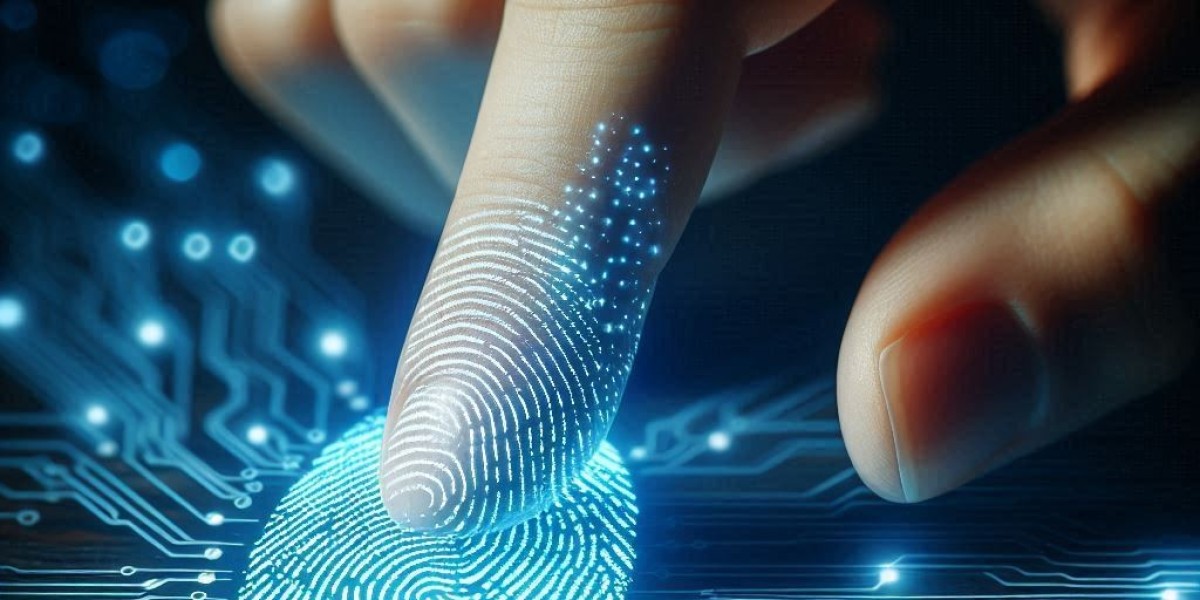

In today’s data-driven world, identity verification often happens faster than the blink of an eye. Yet within that fleeting moment, a decision may be set in motion that determines whether an application moves forward smoothly or encounters frustrating delays. Digital fingerprinting sits at the center of this process, translating biological patterns into precise data points that institutions rely on to make high-stakes determinations.
From immigration screening and employment verification to licensing and security clearances, fingerprint capture and transmission are governed by strict technical thresholds. Image clarity, pressure sensitivity, and timing—all measured in milliseconds—can influence whether a submission is accepted instantly or flagged for review. Understanding the science behind this technology reveals why speed and precision matter far more than most applicants realize.
The Science Behind Digital Fingerprinting and Biometric Precision
Biometric systems are designed to remove ambiguity from identity verification. Among all biometric identifiers, fingerprints remain one of the most stable and distinctive markers, formed before birth and unchanged throughout life. Digital fingerprinting converts these physical ridge patterns into high-resolution digital images that can be analyzed, compared, and stored with remarkable accuracy.
At its core, the process relies on advanced sensors that capture ridge endings, bifurcations, and spatial relationships. These data points are transformed into mathematical templates, allowing systems to match new submissions against existing records with extraordinary speed. Even a fraction of a second in capture quality can affect how effectively these features are recorded.
Why Milliseconds Matter in Biometric Capture
The Role of Capture Speed
Modern fingerprint scanners operate at astonishing speeds, often capturing images in under a second. However, speed without precision introduces risk. If a finger is lifted too quickly, pressed unevenly, or scanned at an imperfect angle, the resulting image may lack sufficient detail for reliable comparison.
This is where Digital fingerprinting demonstrates its sensitivity. Algorithms are calibrated to detect subtle imperfections, rejecting prints that fall below quality thresholds. While this protects system integrity, it can also result in resubmission requests—creating delays that feel disproportionate to the momentary lapse that caused them.
Image Quality and Error Rates
Scientific studies in biometric systems consistently show that higher-quality fingerprint images reduce false rejections and processing delays. Factors such as moisture, pressure variance, and micro-movement during capture can all affect outcomes. These variables are measured in milliseconds, yet their impact can extend into weeks of additional processing time.
The Technology Powering Modern Fingerprint Systems
Sensors, Algorithms, and Data Integrity
Fingerprint scanners use optical, capacitive, or ultrasonic sensors to capture ridge patterns. Each technology has distinct advantages, but all rely on precise timing and resolution. Digital fingerprinting systems integrate real-time feedback mechanisms that assess image quality at the moment of capture, prompting adjustments before submission.
Advanced algorithms then encode the fingerprint into a template optimized for secure transmission and comparison. This minimizes data size while preserving identifying features, enabling rapid matching across large databases.
Secure Transmission and Processing
Once captured, fingerprint data is encrypted and transmitted through secure channels to authorized agencies. Processing systems are optimized for speed, yet they maintain strict validation rules. A submission that fails initial checks may be rerouted for manual review, introducing delays that originate from milliseconds of capture error.
Immigration, Employment, and Time-Sensitive Decisions
High-Volume Systems Demand Precision
Immigration and employment screening programs process vast numbers of applications annually. To maintain efficiency, these systems depend on automated workflows that assume consistent data quality. Digital fingerprinting supports this scale by enabling rapid, standardized verification across diverse populations.
When fingerprint submissions meet technical standards, approvals can proceed without interruption. When they do not, the system slows down—not out of inefficiency, but out of caution.
Fairness Through Objectivity
One of the greatest strengths of fingerprint-based systems is their neutrality. They assess data, not personal characteristics. By relying on Digital fingerprinting, institutions reduce bias while enhancing accuracy, ensuring that decisions are based on verified identity rather than subjective judgment.
Trust, Security, and Institutional Confidence
Why Institutions Rely on Biometrics
Public trust depends on the belief that systems are both secure and fair. Fingerprinting offers a rare combination of reliability and transparency. Digital fingerprinting reassures institutions that identity verification is grounded in science rather than assumption, reinforcing confidence in approvals and denials alike.
Preventing Fraud and Systemic Abuse
Milliseconds matter not only for efficiency, but for security. High-quality biometric capture makes identity fraud exponentially more difficult, protecting both institutions and individuals from misuse. This preventative value far outweighs the inconvenience of occasional resubmission.
The Human Factor Behind the Technology
While the technology is advanced, human interaction remains a critical variable. Proper guidance during capture—correct finger placement, steady pressure, and brief stillness—can dramatically improve outcomes. Many delays attributed to “system issues” ultimately stem from minor, correctable capture errors.
Understanding how Digital fingerprinting works empowers applicants and operators alike to reduce friction and improve success rates.
Conclusion: When a Moment Shapes the Outcome
In biometric systems, time is measured not just in days or weeks, but in milliseconds. A single moment during fingerprint capture can determine whether an application moves forward seamlessly or encounters unexpected delays.
By combining precision sensors, sophisticated algorithms, and secure transmission, Digital fingerprinting has become one of the most trusted tools in modern identity verification. Its strength lies not only in speed, but in the scientific rigor that ensures decisions are accurate, fair, and defensible.