
Pulmonary Function Test Near Me: A Complete Guide to Lung Health Assessment
When it comes to understanding your respiratory health, a pulmonary function test is one of the most effective diagnostic tools available. If you've been searching for a pulmonary function test near me, this guide will give you everything you need to know—from the types of tests, their significance, to what you can expect before, during, and after the procedure. You’ll also discover how regular testing can be a game-changer for managing conditions like asthma, COPD, or even long-term effects of respiratory infections.
What Is a Pulmonary Function Test?
A pulmonary function test (PFT) is a non-invasive series of tests that assess how well your lungs are working. These tests measure lung volume, capacity, rates of flow, and gas exchange. By evaluating these parameters, doctors can diagnose certain types of lung disorders and monitor existing conditions.
Why Is It Important?
Whether you're experiencing shortness of breath, chronic coughing, or have a pre-existing respiratory condition, pulmonary function tests provide critical data that can guide treatment plans. They're also essential pre-operative assessments before surgeries involving the heart or lungs.
Types of Pulmonary Function Tests
There isn’t just one standard test. Instead, pulmonary function testing includes a variety of assessments:
1. Spirometry
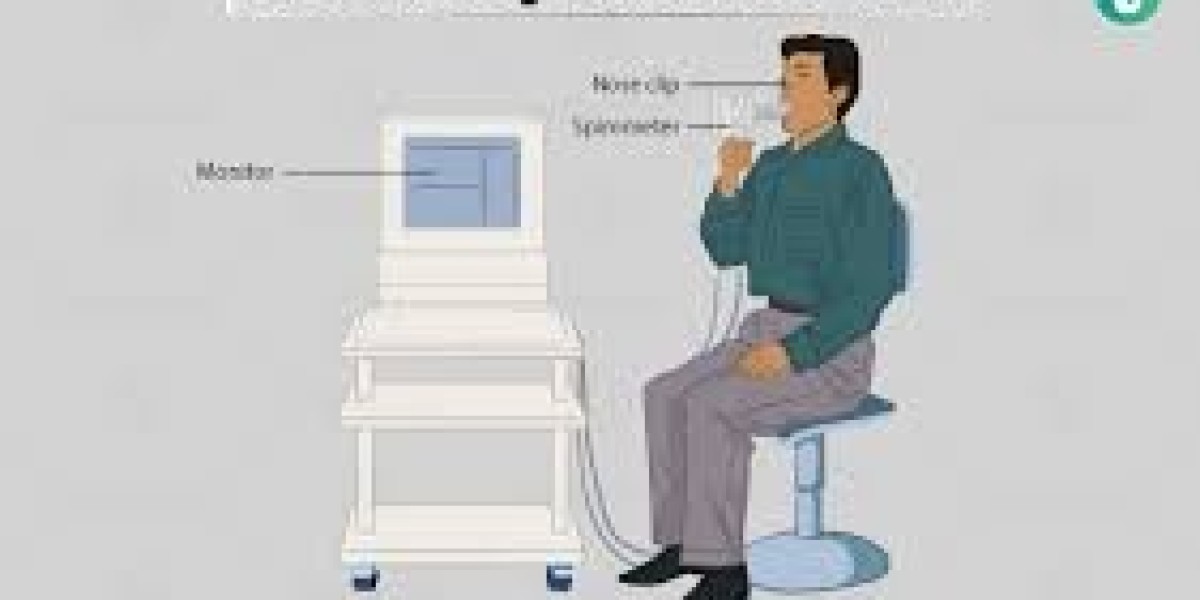
This is the most common type. It measures how much air you can inhale and exhale and how quickly you can do so. It’s often used to detect conditions like asthma or chronic obstructive pulmonary disease (COPD).
2. Lung Volume Testing
Using methods like body plethysmography, this test assesses the total amount of air your lungs can hold. It's especially useful for diagnosing restrictive lung diseases.
3. Diffusion Capacity Test
This test measures how well oxygen and carbon dioxide are exchanged between your lungs and blood, indicating how efficiently your lungs function at a cellular level.
When Should You Consider a PFT?
You should consider taking a pulmonary function test if:
You have symptoms like wheezing, coughing, or difficulty breathing.
You’re exposed to occupational or environmental pollutants.
You’re being evaluated for a surgical procedure.
You’re being monitored for a chronic lung condition.
You’re recovering from respiratory illnesses, including post-COVID complications.
Preparing for Your Pulmonary Function Test
Before the Test
Avoid heavy meals before the test.
Refrain from smoking at least 6 hours before testing.
Wear comfortable clothing.
Let your doctor know if you’re on bronchodilators or other respiratory medications.
During the Test
You’ll be asked to breathe into a tube while various parameters are recorded.
The test usually takes 30–60 minutes.
It’s non-invasive and painless but may cause slight lightheadedness due to deep breathing.
Who Conducts the Test?
Pulmonary function tests are performed by trained respiratory therapists or technicians under the supervision of a pulmonologist. These professionals ensure accurate readings and interpret results in clinical context.
Understanding Your Test Results
Interpreting Normal vs. Abnormal Results
Normal: Suggests your lungs are functioning as expected for your age, gender, and height.
Obstructive pattern: Indicates narrowed airways, commonly found in asthma and COPD.
Restrictive pattern: Indicates reduced lung expansion, often due to scarring or neuromuscular conditions.
Your doctor will go over the results with you and may recommend lifestyle changes, medication, or further testing if necessary.
The Role of PFT in Chronic Disease Management
Pulmonary function testing is invaluable in the ongoing management of chronic respiratory illnesses. Regular testing:
Tracks disease progression
Assesses response to treatment
Helps prevent complications by identifying issues early
Why Early Diagnosis Matters
Early detection of lung function decline can significantly alter the course of disease. Conditions like interstitial lung disease or pulmonary fibrosis benefit greatly from prompt intervention, which is only possible through tools like pulmonary function tests.
Choosing the Right Diagnostic Center
Finding the right place for your test matters. Opt for centers that offer:
Experienced pulmonologists and trained staff
Advanced equipment
Accurate, timely reporting
Comfortable testing environment
If you’re looking for a pulmonary function test near me, consider clinics that specialize in respiratory diagnostics and patient-centered care.
Final Thoughts: Your Lung Health Deserves Priority
Your lungs are vital organs, and even subtle signs of dysfunction can affect your overall quality of life. Don’t ignore persistent cough, breathlessness, or fatigue—these could be signs of underlying respiratory issues. Booking a pulmonary function test near me could be the first step toward reclaiming control over your health.
FAQs About Pulmonary Function Testing
1. What is the purpose of a spirometry test?
Spirometry is used to measure the airflow in and out of your lungs. It helps diagnose conditions like asthma, bronchitis, and emphysema.
2. Is the pulmonary function test painful?
No, it's a completely non-invasive and painless test. You may feel lightheaded during deep breathing, but there are no needles or incisions involved.
3. How long does the test take?
On average, pulmonary function testing takes between 30 minutes to an hour depending on the number of individual tests involved.
4. Can children undergo pulmonary function tests?
Yes, children as young as 5–6 years old can perform spirometry and some other tests with guidance. Pediatric versions of the test exist.
5. What happens if my test results are abnormal?
Your doctor will interpret the results and may suggest further investigations, lifestyle changes, medications, or even specialist referrals.