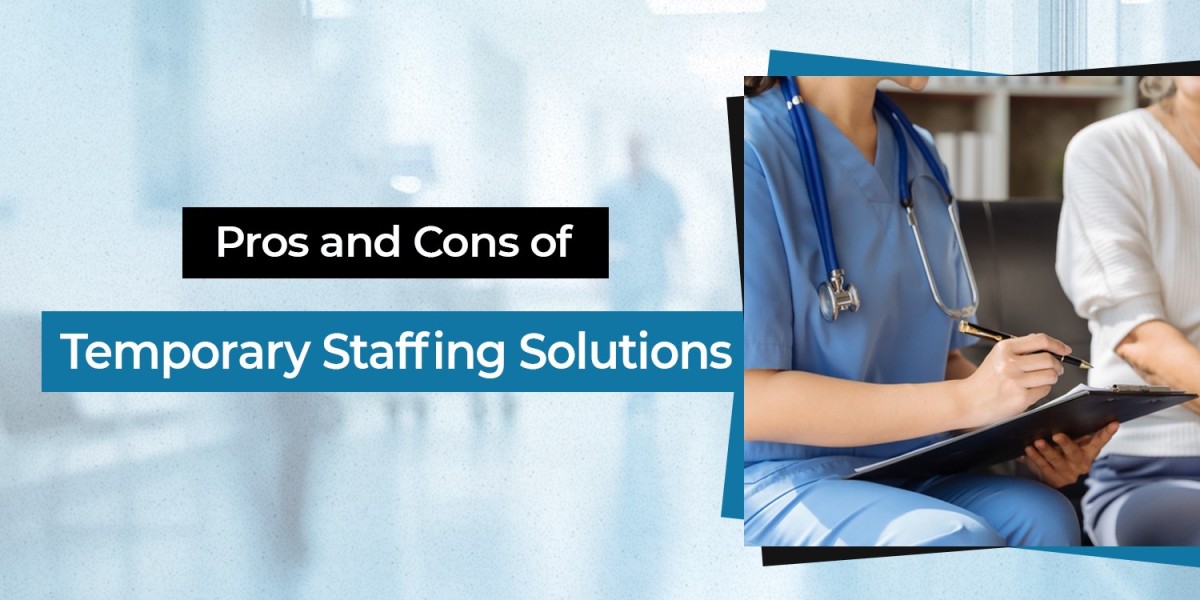

The healthcare sector in the USA is changing fast, and one solution that continues to gain traction among hospitals, clinics, and long-term care centers is Temporary Healthcare Staffing. From filling urgent shift gaps to supporting seasonal surges, temporary staff play a critical role in keeping patient care smooth and uninterrupted. Companies like JR Enterprise help healthcare facilities maintain stability with reliable, skilled, and fast staffing options.
But like any strategy, Temporary Healthcare Staffing comes with both advantages and challenges. Below, we break down the key pros and cons to help healthcare leaders make informed decisions.
The Pros of Temporary Healthcare Staffing
1. Quick Relief for Staffing Shortages
Hospitals and clinics often face sudden staffing gaps due to unexpected absences, emergencies, or seasonal spikes in patient volume. Temporary Healthcare Staffing allows healthcare facilities to plug these gaps instantly. Agencies like JR Enterprise maintain a ready pool of qualified nurses, technicians, and allied health professionals who can start on short notice.
2. Cost-Effective Compared to Overtime
Instead of paying high overtime rates or burdening existing staff, temporary workers provide a more balanced and cost-efficient option. You only pay for the hours you need. This helps healthcare systems in the USA manage budgets more wisely, especially during high-demand periods.
3. Reduces Burnout for Permanent Staff
Healthcare burnout is a serious issue nationwide. When the workload increases, permanent staff can feel overwhelmed. Temporary staffing brings in additional hands, lightening the load and maintaining a healthy work environment. This leads to better patient care and improved staff morale.
4. Flexibility for Changing Patient Volumes
Patient volume fluctuates flu season, holidays, and regional outbreaks can strain healthcare operations. With Temporary Healthcare Staffing, facilities can scale their workforce up or down as needed. This flexibility helps hospitals maintain consistent service quality without long-term commitments.
5. Access to Specialized Skills
Sometimes a facility needs a professional with a specific skill set such as ICU experience, lab expertise, or pediatric care. Temporary staffing gives access to specialists who can fill niche roles. JR Enterprise regularly supports facilities by connecting them with experienced professionals who match exact requirements.
6. Trial Period for Potential Permanent Hires
Many healthcare organizations use temporary staff as a “trial run” to evaluate their performance before offering permanent positions. This reduces recruitment risks and ensures that each long-term hire is a strong cultural and clinical fit.
The Cons of Temporary Healthcare Staffing
1. Potential Higher Hourly Rates
Although temporary staff can reduce overtime costs, their hourly rates may be higher than those of permanent employees. This can impact the budget if the facility relies on temporary workers for extended periods. However, when managed correctly, the overall cost is often still lower than understaffing or burnout-related turnover.
2. Orientation Time Required
Temporary workers may require onboarding, even if short. This includes understanding facility protocols, electronic health records (EHR), patient flow, and emergency procedures. While this time investment is necessary, it can temporarily slow productivity.
3. Variation in Work Quality
Since temporary staff come from diverse backgrounds and work environments, their approach to patient care may vary. Agencies like JR Enterprise reduce this risk by conducting rigorous screening, skill verification, and background checks. However, differences in training and experience can still occur.
4. Lack of Long-Term Continuity
Patients value consistent faces and familiar caregivers. With temporary staffing, continuity can sometimes be affected, especially for long-term patients. Facilities must balance temporary support with stable staffing to maintain patient trust.
5. Possible Team Adjustment Challenges
Introducing new workers frequently may require the permanent team to adjust quickly. Communication styles, workflows, and teamwork dynamics can shift. However, experienced temporary professionals often adapt fast and integrate smoothly.
Conclusion: Is Temporary Healthcare Staffing Worth It?
In many cases, Temporary Healthcare Staffing is not just beneficial it’s essential. The pros generally outweigh the cons, especially when partnering with a reliable agency like JR Enterprise in the USA. Temporary staffing supports patient care, reduces burnout, boosts operational flexibility, and ensures facilities stay fully staffed even in unpredictable situations.
While challenges such as onboarding and cost considerations exist, they can be effectively managed with strong planning and a trustworthy staffing partner.
JR Enterprise continues to help healthcare facilities across the USA achieve stability, maintain quality care, and build efficient staffing strategies that adapt to today’s fast-changing medical landscape.