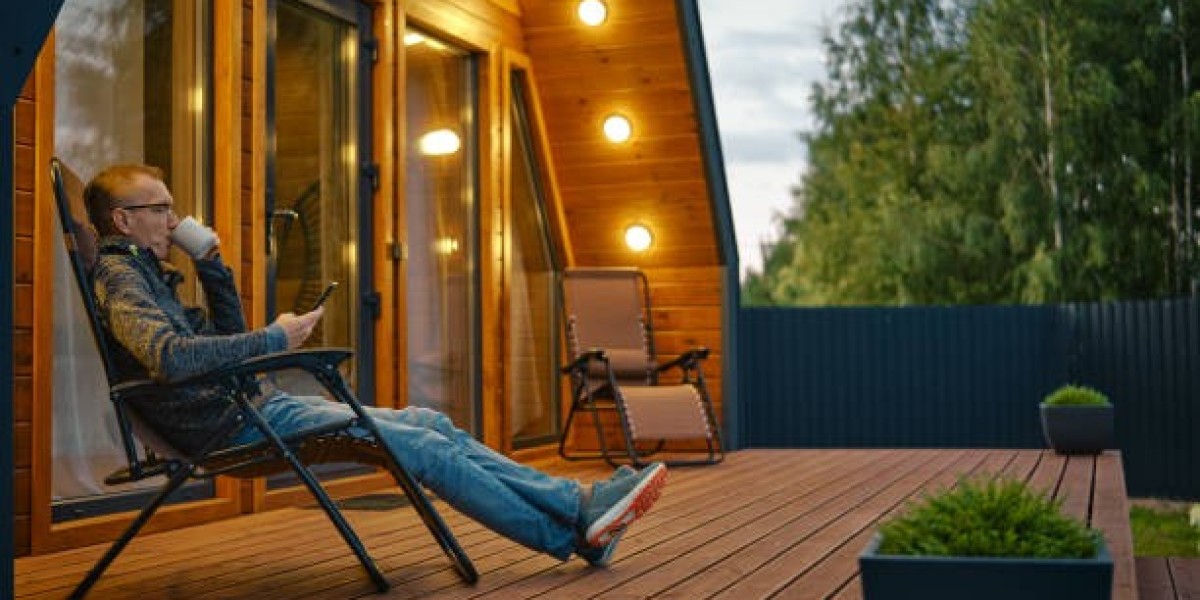

Outdoor spaces have evolved far beyond simple patios or backyards. They are now extensions of the home—places where mornings begin with coffee and evenings end under open skies. Whether it’s a compact balcony in the city or a sprawling garden in the countryside, the way an outdoor area feels is deeply influenced by the furniture placed within it. Choosing the best outdoor furniture is not only about aesthetics; it is about comfort, durability, climate awareness, and lifestyle alignment. This guide explores how to thoughtfully select outdoor furniture that enhances both form and function while standing the test of time.
The Changing Role of Outdoor Spaces in Modern Living
In recent years, outdoor living has taken on a new level of importance. People are spending more time at home, and the desire to create inviting, usable outdoor environments has grown. Patios have become dining rooms, decks have transformed into lounges, and gardens now host social gatherings that rival indoor events. As this shift continues, outdoor furniture is no longer treated as an afterthought. Instead, it is carefully curated to reflect personal taste and everyday needs.
The best outdoor furniture today mirrors the comfort and sophistication of indoor pieces while remaining resilient against environmental challenges. This balance is what defines truly exceptional outdoor design.
Understanding Materials That Stand Up to the Elements
One of the most critical factors in selecting outdoor furniture is material choice. Unlike indoor furniture, outdoor pieces are constantly exposed to sunlight, moisture, temperature changes, and wind. The longevity and performance of furniture depend heavily on how well the materials handle these conditions.
Natural materials such as teak and eucalyptus are prized for their strength and timeless appearance. Teak, in particular, contains natural oils that resist moisture and insects, making it a long-term investment for outdoor use. Metal options like aluminum and powder-coated steel offer a more modern aesthetic and are valued for their rust resistance and lightweight structure. Synthetic wicker and resin materials provide the look of traditional woven furniture while delivering superior durability and low maintenance.
The best outdoor furniture often combines multiple materials—metal frames with weather-resistant cushions, or wooden bases paired with breathable fabrics—to achieve both beauty and resilience.
Comfort Is Not a Luxury, It’s a Requirement
While durability matters, comfort should never be compromised. Outdoor furniture that looks stunning but feels uncomfortable will quickly lose its appeal. Cushions, seat depth, back support, and fabric texture all contribute to how enjoyable a piece truly is.
High-quality outdoor cushions are designed with quick-dry foam and breathable covers that resist mildew and fading. Fabrics such as solution-dyed acrylic maintain their color even after prolonged sun exposure. When evaluating the best outdoor furniture, it’s important to consider how the pieces will be used. Lounging, dining, entertaining, or quiet relaxation all require different levels of support and softness.
Comfort also extends beyond physical feel. Furniture that allows for easy movement, flexible seating arrangements, and relaxed posture contributes to an overall sense of ease in outdoor spaces.
Design That Reflects Personal Style
Outdoor furniture is no longer limited to basic designs or neutral tones. Today’s collections span a wide range of styles, from minimalist and contemporary to rustic, coastal, and traditional. This variety allows homeowners to express their personality just as they would indoors.
Clean lines and neutral palettes create a modern, calming atmosphere, while warm woods and textured fabrics evoke a natural, organic feel. Bold colors and statement pieces can energize an outdoor space and make it feel playful and inviting. The best outdoor furniture seamlessly complements the architecture of the home and the surrounding landscape, creating a cohesive visual experience.
Rather than following trends blindly, thoughtful design choices focus on longevity and personal comfort. Timeless styles often outlast fleeting fashions, making them a smarter long-term investment.
Functionality and Flexibility in Everyday Use
Outdoor furniture must adapt to a variety of uses throughout the year. A space that hosts family dinners one evening may serve as a quiet reading corner the next. Modular furniture, stackable chairs, and extendable tables offer flexibility without sacrificing style.
Storage is another practical consideration. Benches with built-in storage, weatherproof cabinets, and furniture covers help maintain organization and protect investments during off-seasons. The best outdoor furniture is designed to make life easier, not more complicated.
Functionality also includes ease of maintenance. Furniture that can be cleaned with simple soap and water, or fabrics that resist stains and moisture, allows homeowners to enjoy their space without constant upkeep.
Climate Considerations and Regional Needs
Climate plays a significant role in determining which outdoor furniture performs best over time. Furniture suited for dry, sunny regions may not fare well in humid or coastal environments. Salt air, heavy rainfall, and extreme heat all require specific material considerations.
In coastal areas, corrosion-resistant materials like aluminum and marine-grade stainless steel are essential. In regions with intense sun exposure, UV-resistant fabrics and lighter color palettes help prevent fading and overheating. Cold climates benefit from furniture that can be easily stored or covered during winter months.
The best outdoor furniture is chosen with local weather patterns in mind, ensuring that it remains attractive and functional year after year.
Sustainability and Responsible Choices
As awareness of environmental impact grows, sustainability has become an important factor in furniture selection. Many manufacturers now prioritize responsibly sourced materials, recycled components, and eco-friendly production processes.
Wood certified by sustainable forestry programs, recycled plastics, and low-impact finishes contribute to more responsible outdoor living. Investing in high-quality furniture that lasts longer also reduces waste, making durability a form of sustainability.
Choosing the best outdoor furniture often means supporting brands that value ethical practices and long-term environmental responsibility.
Creating a Cohesive Outdoor Experience
Outdoor furniture does not exist in isolation. Lighting, shade solutions, rugs, and accessories all play a role in shaping the atmosphere of an outdoor space. Coordinating furniture with these elements creates a cohesive and inviting environment.
Soft lighting enhances evening gatherings, while umbrellas or pergolas provide necessary shade during the day. Outdoor rugs add warmth and define seating areas, making the space feel more intentional and complete. The best outdoor furniture serves as the foundation upon which these additional elements build a fully realized outdoor experience.
Long-Term Value Over Short-Term Savings
While budget is always a consideration, outdoor furniture should be viewed as an investment rather than a disposable purchase. Lower-quality pieces may cost less initially but often require frequent replacement due to wear and damage. High-quality furniture, on the other hand, delivers comfort, performance, and aesthetic appeal for many years.
The best outdoor furniture balances cost with craftsmanship, offering lasting value through thoughtful design and durable materials. Over time, this approach proves both economical and satisfying.
Conclusion: Elevating Outdoor Living Through Thoughtful Choices
Choosing the best outdoor furniture is about more than filling a space—it’s about enhancing how that space is lived in and enjoyed. From material selection and comfort to design, climate suitability, and sustainability, every decision contributes to the overall experience of outdoor living.
When selected with care, outdoor furniture transforms patios, gardens, and balconies into meaningful extensions of the home. It creates places for connection, relaxation, and reflection, all while withstanding the challenges of the natural environment. By focusing on quality, comfort, and personal style, anyone can create an outdoor space that feels as inviting and refined as any indoor room.