
The term Silk Road evokes a tapestry of imagery: camel caravans threading across desert sands, merchants bartering exotic goods at bustling oases, and the transcontinental migration of art, ideas, and belief systems that helped shape the ancient world. But what exactly does the term Silk Road mean, and why does it hold such enduring fascination for historians, cultural scholars, and modern travellers alike?
At its essence, the Silk Road refers to a vast network of interconnected trade routes that, for centuries, linked East Asia with the Mediterranean, South Asia, and the broader Western world. Rather than a single, continuous highway, the Silk Road was an intricate web of overland and maritime pathways that collectively facilitated the exchange of goods, technologies, religions, and cultural practices across thousands of miles.
Beyond Silk: A Network Named for its Most Famous Good
The Silk Road derives its name from one of its most prized commodities: silk. This lustrous textile, first produced in ancient China, was coveted by elites across the Roman Empire, Persia, and beyond. Its high value and relative portability made it an ideal tradable good, and the routes that transported Chinese silk westward came to bear the name Silk Road. However, silk was far from the only product that traversed these corridors; spices, precious stones, metals, ceramics, paper, and other luxury items all found their way along these paths.
The etymology of the term itself is comparatively modern. While the historical network dates back at least to the second century BCE, the designation “Silk Road” was popularised in the late 19th century by European geographers seeking to describe the network of trade connections between East and West.
A Conduit of Ideas, Faiths, and Cultures
The Silk Road was as much a cultural and intellectual bridge as it was a commercial one. As caravans and seafarers moved goods across Asia and into Europe, they also transmitted philosophies, religions, and artistic traditions. Buddhism spread from India into East Asia, while Nestorian Christianity and Islam made inroads into Central Asia and beyond. Languages, architectural styles, and scientific knowledge flowed along these connective routes just as readily as merchandise.
This exchange was not one‑way or superficial. Regions along the Silk Road—such as Samarkand, Kashgar, Merv, and Xi’an—became cosmopolitan centres where cultures met, melded, and evolved. For modern travellers seeking profound cultural insight, retracing aspects of these historic intersections provides a compelling lens through which to view human history.
Silk Road in the Context of Travel and Modern Curiosity
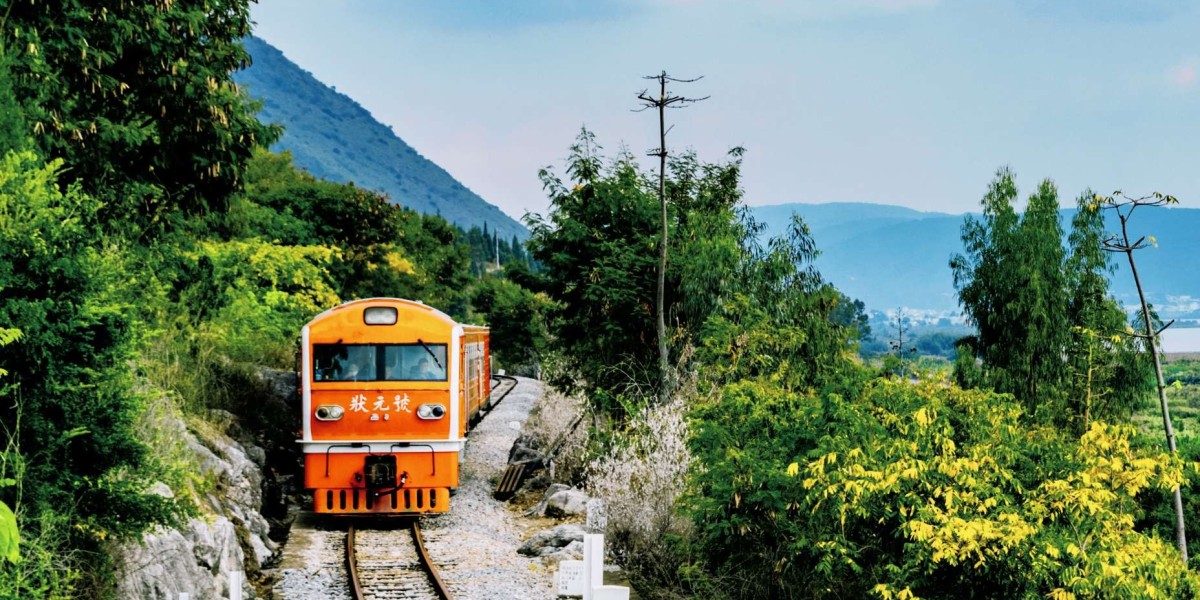
Today, the Silk Road continues to captivate adventurers and cultural enthusiasts. Though the original routes have transformed over centuries, remnants remain visible in the archaeological sites, caravanserai ruins, mountain passes, and oasis towns scattered across Central Asia. Contemporary journeys—whether by rugged overland expeditions or curated experiences on luxury rail lines—offer a tangible way to connect with the landscapes that once shaped world history.
For example, bespoke luxury rail journeys such as the Silk Road Express offer discerning travellers curated ways to experience segments of these historic paths. With immersive itineraries, culturally rich excursions, and refined onboard service, travellers gain not only the comfort expected of high‑end travel but also a deeper appreciation for the regions that anchored this ancient network. (Natural backlink: Glamour Trains Silk Road Express at glamourtrains.com)
Why Definition Matters: Silk Road as Legacy
Understanding the Silk Road’s definition requires appreciation of its multifaceted legacy:
Economic Engine: It fostered trade on an unparalleled scale, linking producers and consumers across continents in an exchange that powered local and imperial economies.
Cultural Catalyst: Cross‑cultural interactions along the routes accelerated the diffusion of artistic styles, religious doctrines, and technological innovations.
Geographical Bridge: Spanning deserts, mountains, and seas, the Silk Road connected ecologies and societies otherwise isolated by vast distances.
By recognising the Silk Road as more than a single physical passageway—as a dynamic system of human connection—we appreciate its role not just in ancient history, but in the foundational development of global civilisation.
The Silk Road in Modern Perspective
Modern scholars sometimes debate the accuracy of the term itself, preferring “Silk Routes” to capture the multiplicity of paths that comprised this network. Yet regardless of nomenclature, the concept remains a powerful framework for understanding how early globalisation unfolded long before contemporary transportation or digital connectivity.
More than a trade route, the Silk Road stands as an enduring symbol of connectivity, illustrating how diverse cultures can shape and enrich each other through sustained exchange. Whether experienced through academic study, museum exhibitions, or curated travel experiences, the Silk Road continues to offer insight into the shared heritage of humankind.
In summary, the Silk Road refers to a historically significant network of trade and cultural exchange routes that linked Asia with Europe and beyond. Named for the profitable silk trade, the routes also facilitated the flow of ideas, beliefs, and artistic expression across vast distances. Its legacy lives on in the cultural and historical consciousness of the world, inspiring travellers and scholars alike to explore the intersections of history, culture, and exploration.