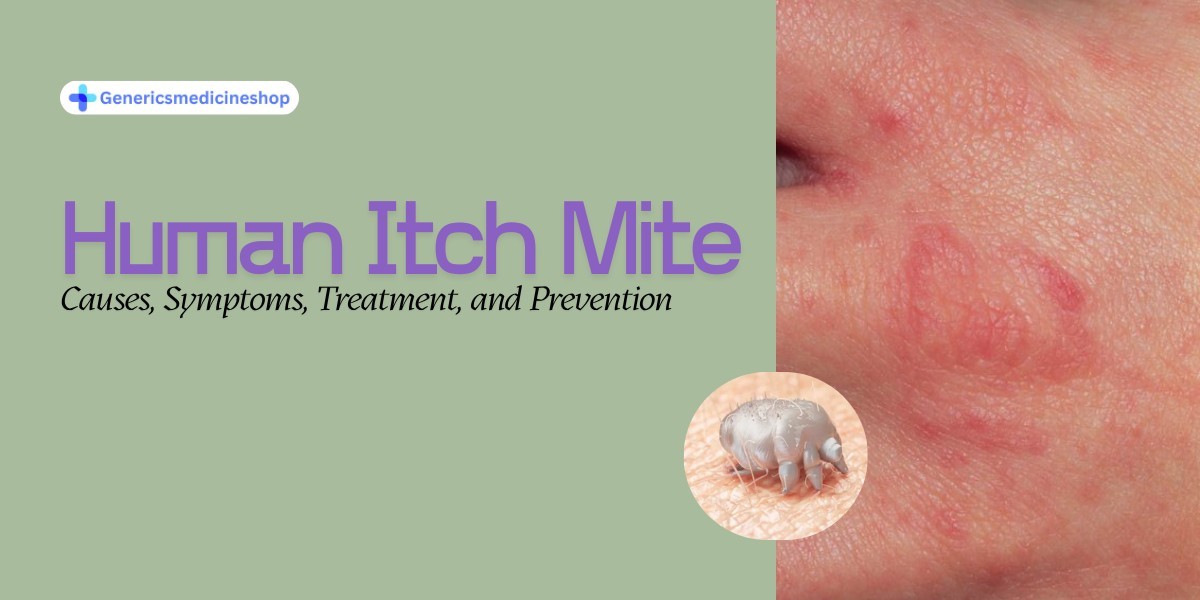

Human itch mites are a common yet often misunderstood cause of intense skin itching and rashes. In both the United States and the United Kingdom, mite-related skin conditions affect millions of people every year, particularly in crowded living environments, healthcare settings, and households with close physical contact. Understanding what human itch mites are, how they spread, and how they are treated is essential for effective relief and prevention.
What Is a Human Itch Mite?
A human itch mite refers to microscopic mites that infest the skin and cause itching, irritation, and rashes. The most well-known and medically significant itch mite affecting humans is Sarcoptes scabiei, the parasite responsible for scabies.
These mites burrow into the top layer of the skin, where they lay eggs and trigger an allergic reaction that leads to severe itching and inflammation.
Key facts:
Human itch mites are not visible to the naked eye
They survive by living in human skin
The itching is caused by an immune reaction, not the mite bite itself
How Human Itch Mites Spread
Human itch mites spread mainly through direct skin-to-skin contact. In some cases, they may spread through contaminated clothing, bedding, or towels, especially in severe infestations.
Common transmission settings:
Households
Nursing homes and care facilities
Hospitals
Daycare centers
Shelters and dormitories
In the US and UK, outbreaks are more common in crowded or institutional environments, but anyone can be affected regardless of hygiene.
Symptoms of Human Itch Mite Infestation
Symptoms usually appear 2–6 weeks after first exposure. In people who have had scabies before, symptoms may develop within days.
Common symptoms include:
Intense itching, especially at night
Red rashes or small bumps
Thin, wavy burrow lines on the skin
Sores caused by scratching
Skin thickening in long-standing cases
Commonly affected areas:
Fingers and finger webs
Wrists and elbows
Armpits
Waistline
Buttocks
Genital area
In infants and elderly individuals, the scalp, face, palms, and soles may also be affected.
Types of Human Itch Mite Conditions
1. Classic Scabies
The most common form, characterized by itching and rash caused by a small number of mites.
2. Crusted (Norwegian) Scabies
A severe form seen in immunocompromised individuals. It involves thick crusts of skin and thousands of mites, making it highly contagious.
3. Animal Mite Dermatitis
Mites from pets or animals can temporarily infest humans, causing itching, but they usually cannot complete their life cycle on human skin.
Diagnosis of Human Itch Mite Infestation
Doctors in the US and UK typically diagnose human itch mite infestations based on:
Physical examination
Medical history
Skin scrapings examined under a microscope (in some cases)
Because symptoms resemble eczema, dermatitis, or allergic reactions, misdiagnosis can occur if mites are not considered.
Treatment Options for Human Itch Mites
Prescription Treatments
The most commonly prescribed treatments include:
Permethrin 5% cream – First-line treatment in the US and UK
Ivermectin tablets – Used in resistant or severe cases
Benzyl benzoate lotion – Common in some regions
These medications kill mites and their eggs when used correctly.
Treatment Guidelines
Apply medication to the entire body as directed
Treat all close contacts at the same time
Repeat treatment if recommended
Wash clothes, bedding, and towels in hot water
Even after successful treatment, itching may persist for 2–4 weeks due to ongoing skin irritation.
Over-the-Counter Relief Measures
While OTC products do not kill mites, they can help relieve symptoms:
Antihistamines for itching
Calamine lotion
Moisturizers to soothe skin
Mild corticosteroid creams (short-term use)
Prevention of Human Itch Mite Infestation
Preventing human itch mite spread requires awareness and prompt action.
Prevention tips:
Avoid prolonged skin contact with infected individuals
Wash bedding and clothing in hot water
Vacuum furniture and carpets
Avoid sharing personal items
Treat all household members simultaneously
In healthcare and care-home settings, early detection is critical to preventing outbreaks.
Human Itch Mites vs Other Skin Conditions
Human itch mite infestations are often confused with:
Eczema
Allergic dermatitis
Bed bug bites
Fungal infections
Lice infestations
Unlike many other skin conditions, itching from mites worsens at night and often spreads to close contacts.
When to See a Doctor
You should seek medical attention if:
Itching is severe or persistent
Multiple household members develop symptoms
Home remedies fail to provide relief
You have a weakened immune system
Prompt diagnosis and treatment help prevent complications such as secondary bacterial infections caused by scratching.
Living With and Recovering From Itch Mite Infestation
Recovery involves patience and proper follow-through. Even after mites are eliminated, the skin may take time to heal. Maintaining good hygiene, avoiding reinfestation, and completing treatment as prescribed are essential.
In the US and UK, public health guidelines emphasize simultaneous treatment and environmental cleaning to stop reinfection cycles.
Conclusion
Human itch mites are a common cause of intense itching and skin irritation, most often due to scabies infestation. Although highly uncomfortable, the condition is treatable and preventable with proper medical care. Recognizing symptoms early, following prescribed treatments, and taking preventive measures can lead to complete recovery and protect others from infection.