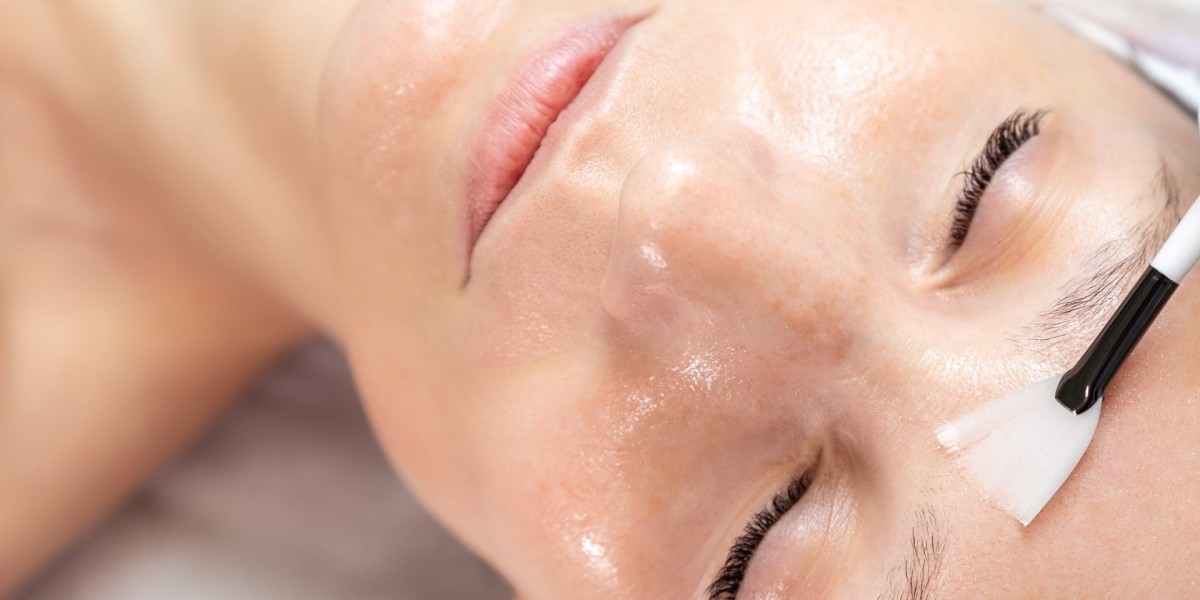

Chemical peels have become a cornerstone of professional skincare, offering visible improvements in texture, tone, and overall skin health. In Riyadh, many skincare enthusiasts turn to clinics for Chemical Peels Riyadh to achieve smoother, brighter, and younger-looking skin. However, one of the most common questions dermatologists hear is how often these treatments should be performed. The answer is not one-size-fits-all—it depends on skin type, the type of peel, and individual skincare goals. Understanding the optimal frequency ensures safety while maximizing results.
Understanding Chemical Peels:
Chemical peels involve applying a chemical solution to the skin to exfoliate the outer layers and stimulate cell turnover. Dermatologists explain:
They remove dead skin cells, improving texture and clarity
Promote collagen production, which reduces fine lines and wrinkles
Treat hyperpigmentation, acne scars, and sun damage
Strengthen the skin’s overall health and appearance
The type of peel—superficial, medium, or deep—affects both results and the recommended frequency.
Superficial Peels and Frequency:
Superficial peels are the mildest form, often containing glycolic, lactic, or salicylic acid. Key points include:
Ideal for improving brightness, mild discoloration, and minor texture issues
Minimal downtime and irritation, making them suitable for sensitive skin
Typically recommended every 3–4 weeks for ongoing improvement
Multiple sessions build cumulative benefits without overstressing the skin
Regular superficial peels can be integrated safely into a maintenance skincare routine for long-term radiance.
Medium Peels and Frequency:
Medium chemical peels, often using trichloroacetic acid (TCA), penetrate deeper into the skin to address more significant concerns. Considerations include:
Targeting fine lines, moderate sun damage, and acne scars
Longer recovery time, often 5–7 days of peeling or redness
Recommended every 2–3 months depending on skin tolerance
Requires professional assessment to determine safe intervals
Medium peels deliver more dramatic results but need careful scheduling to avoid over-exfoliation or irritation.
Deep Peels and Frequency:
Deep peels, such as phenol or high-strength TCA peels, provide the most intensive skin rejuvenation. Key points:
Treat severe wrinkles, deep scars, and significant pigmentation issues
Require substantial downtime, often several weeks of healing
Usually performed only once or very infrequently, sometimes once every few years
Only administered by experienced dermatologists due to potential risks and systemic effects
Deep peels offer transformative results but are not suitable for frequent use.
Factors Affecting Frequency:
Several individual factors influence how often you should receive a chemical peel:
Skin type and sensitivity: Sensitive or reactive skin may require longer intervals
Skin concerns: Acne, hyperpigmentation, or sun damage can affect treatment plans
Age: Younger skin may tolerate more frequent superficial peels, while mature skin may need longer recovery
Lifestyle: Sun exposure, skincare habits, and environmental factors can influence results and timing
Personalized assessment ensures that peel frequency matches your skin’s needs safely.
Preparing Your Skin Between Peels:
Pre- and post-peel care helps maximize benefits and reduces risk. Dermatologists recommend:
Gentle cleansing and moisturizing to maintain the skin barrier
Consistent sunscreen use to prevent new damage
Avoiding harsh exfoliants or strong acids between peels
Using serums with antioxidants or hyaluronic acid to support healing
Proper home care extends the results of professional treatments and allows safe repetition.
Signs You Might Need Another Peel:
Knowing when to schedule the next session ensures effective results without overstressing the skin. Indications include:
Return of uneven tone, dullness, or minor acne breakouts
Persistence of fine lines or pigmentation after previous sessions
Skin is fully healed and shows tolerance to previous treatments
Professional evaluation is critical to determine if your skin is ready for the next peel.
Risks of Overdoing Chemical Peels:
Excessive or too-frequent chemical peels can harm your skin. Potential risks include:
Redness, irritation, or prolonged sensitivity
Compromised skin barrier leading to dryness or infection
Hyperpigmentation or scarring, particularly in darker skin tones
Diminished results due to over-exfoliation
Adhering to recommended intervals prevents complications while preserving skin health.
Benefits of Proper Scheduling:
Following a personalized chemical peel schedule provides:
Consistent improvement in skin tone, texture, and brightness
Reduced signs of aging with minimal downtime
Controlled treatment intensity for safe, long-lasting results
Enhanced absorption of skincare products and improved skin health
Correct timing maximizes benefits while minimizing risks.
Consulting Professionals in Riyadh:
For safe, effective, and customized chemical peel treatments, consulting certified providers is essential. Key considerations include:
Assessment of skin type, sensitivity, and current concerns
Recommendation of peel type, strength, and ideal frequency
Guidance on pre- and post-treatment care for optimal recovery
Access to Chemical Peels Riyadh clinics ensures professional monitoring and personalized plans
Professional consultation helps you achieve maximum benefits while maintaining healthy, radiant skin.
Final Thoughts
The frequency of chemical peels depends on your skin type, treatment depth, and individual goals. Superficial peels may be performed monthly, medium peels every 2–3 months, and deep peels only infrequently under expert supervision. Overdoing peels can cause irritation and compromise skin health, while proper scheduling ensures long-lasting improvements in texture, tone, and overall radiance. Consulting certified clinics for Chemical Peels Riyadh provides personalized guidance, safe application, and optimal results. With professional care and a well-planned routine, chemical peels become a powerful tool for maintaining vibrant, youthful skin.