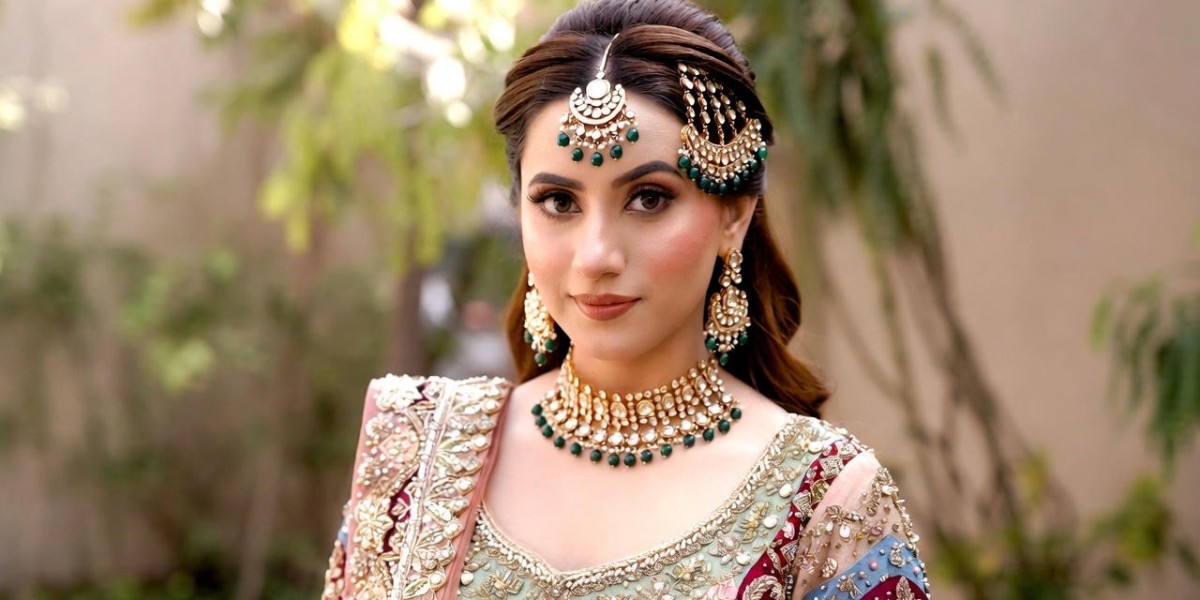

Creating a regal bridal ensemble is not only about heavy embroidery or rich colors. The real elegance often lies in how different luxury fabrics are combined. When fabrics are chosen carefully and layered with purpose, they create depth, balance, and a graceful flow that instantly elevates bridal wear.
In South Asian bridal fashion, fabric pairing plays a central role. Brides no longer rely on a single material from head to toe. Instead, designers blend textures to create outfits that feel rich without looking overwhelming. Understanding how these fabrics work together helps in building a bridal look that feels timeless and refined.
Understanding Fabric Roles in Bridal Wear
Each fabric brings its own character. Some provide structure, others add softness, while a few exist purely for visual drama. A regal ensemble usually includes a strong base fabric paired with lighter or textured layers.
Silk, raw silk, and jamawar are often used as base fabrics because they hold shape well. These materials create a strong foundation for embroidery and allow the outfit to sit properly on the body. Lighter fabrics like net, organza, or chiffon are then added to soften the look and add movement.
The key is knowing which fabric should lead and which should support.
Silk and Net: A Timeless Pair
Silk and net have remained a favorite combination for years, and for good reason. Silk offers richness and structure, while net adds delicacy. When used together, the result is balanced and graceful.
A silk lehenga paired with a net dupatta allows detailed embroidery to stand out without making the outfit feel heavy. Net sleeves over a silk blouse also create a refined contrast, giving the bride elegance while keeping the design breathable and comfortable.
This pairing works especially well for brides who want detailed craftsmanship without excessive weight.
Velvet with Organza for Royal Depth
Velvet instantly adds a royal feel to any bridal outfit. However, using velvet alone can feel too heavy. Pairing it with organza solves this problem beautifully.
Velvet blouses or borders combined with organza dupattas create a layered look that feels rich yet airy. Organza helps soften velvet’s bold appearance while allowing embroidery to shine. This combination is ideal for winter weddings where warmth and elegance go hand in hand.
The contrast between matte velvet and sheer organza creates visual depth that looks luxurious without feeling outdated.
Raw Silk and Chiffon for Effortless Elegance
Raw silk carries a slightly textured finish that feels traditional yet polished. When paired with chiffon, it creates an ensemble that flows naturally with movement.
Chiffon dupattas over raw silk outfits keep the look light and graceful. This pairing suits brides who prefer elegance over excess. It also works well for daytime weddings, where softer textures photograph beautifully in natural light.
The gentle fall of chiffon balances the structured feel of raw silk, making the outfit comfortable and visually pleasing.
Brocade and Net for Detailed Craftsmanship
Brocade is known for its woven patterns and rich surface. When combined with net, it allows the details to remain the focal point without overpowering the look.
A brocade lehenga with a net dupatta featuring minimal embroidery creates harmony. The net keeps the outfit from looking too dense, while brocade adds traditional richness. This pairing suits brides who appreciate classic craftsmanship with a modern finish.
Net also helps highlight jewelry, ensuring the bridal look feels complete rather than crowded.
Blending Heavy and Light Fabrics Wisely
One common mistake in bridal styling is using multiple heavy fabrics together. Regal does not mean bulky. Balance is what defines sophistication.
If the lehenga is heavily embroidered and made from a thick fabric, the blouse or dupatta should be lighter. If the blouse carries dense work, the skirt can be kept simpler in texture. This thoughtful balance allows every part of the outfit to stand out without competing.
Designers focus on this balance to ensure the bride feels confident and comfortable throughout the event.
Color and Fabric Harmony
Fabric combination is closely tied to color selection. Deep shades like maroon, emerald, and navy look best on heavier fabrics such as velvet and silk. Pastels and lighter tones suit chiffon, organza, and net.
Mixing fabrics within the same color family helps maintain harmony. For example, a champagne silk base with a soft gold net overlay creates a smooth transition rather than a sharp contrast.
Color and fabric should work together to enhance the bridal silhouette, not distract from it.
Designer Craftsmanship and Fabric Selection
Luxury fabric pairing requires experience and precision. Designers carefully select materials that complement each other in texture, fall, and finish. This approach ensures that the bridal ensemble looks cohesive from every angle.
A refined understanding of fabric harmony is evident in couture collections by Rizwan byeg design, where each material is chosen with purpose, resulting in bridal outfits that feel rich, balanced, and thoughtfully constructed.
Creating a Timeless Bridal Look
Trends change, but well-combined fabrics never go out of style. A regal bridal ensemble is one where every fabric has a role and nothing feels excessive. Brides who focus on fabric harmony often find their wedding outfits remain elegant even years later.
Rather than following trends blindly, understanding how fabrics interact helps create a look that feels personal and enduring. This approach ensures the bride stands out through grace, not excess.