
In recent years, food safety and material transparency have become top priorities across global supply chains. Manufacturers, exporters, and consumers alike are asking critical questions about the safety of packaging materials—especially plastics. One of the most common concerns revolves around BPA (Bisphenol A) and its potential health risks.
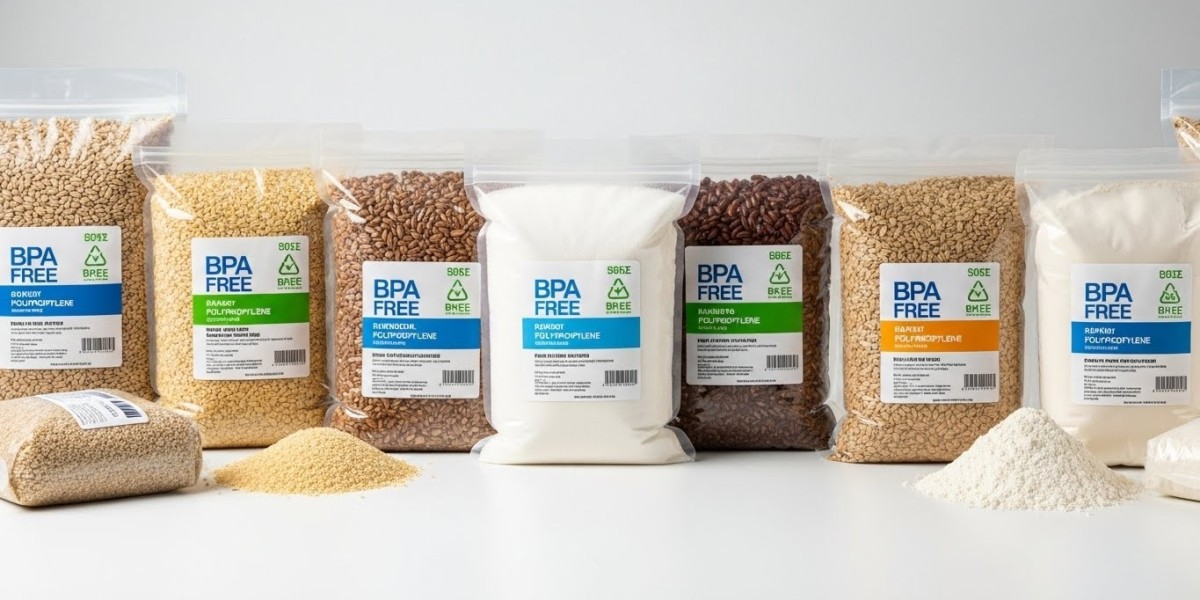
As a result, BPA free packaging has moved from being a preference to a requirement in many industries. Among the various packaging solutions available today, the PP woven bag has gained widespread acceptance as a safe, durable, and BPA-free option for food, agricultural, and industrial applications.
What Does BPA Free Mean?
BPA (Bisphenol A) is a chemical compound used in the production of certain plastics and epoxy resins. It has raised health concerns due to its ability to migrate into food and beverages under certain conditions.
BPA free means that a product or material does not contain Bisphenol A, eliminating the risk of BPA-related chemical exposure. In packaging, this is especially important for materials that come into direct or indirect contact with food products.
Why BPA Free Packaging Is Important
The push toward BPA free materials is driven by several factors:
Health and safety concerns related to chemical migration
Stricter food safety regulations across global markets
Consumer awareness and demand for safer packaging
Brand responsibility and compliance for manufacturers and exporters
Packaging materials that are BPA free help reduce risk, improve compliance, and build trust throughout the supply chain.
Understanding Polypropylene and BPA Free Properties
Polypropylene (PP) is a thermoplastic polymer widely used in packaging, textiles, automotive components, and consumer goods. One of its most important characteristics is that polypropylene is naturally BPA free.
Unlike certain plastics that require BPA-based additives, polypropylene is chemically stable and inert. This makes it a preferred material for applications where safety, hygiene, and long-term storage are essential.
What Is a PP Woven Bag?
A PP woven bag is made by weaving polypropylene tapes into a strong, flexible fabric. These bags are designed to carry dry, flowable materials while offering high tensile strength and resistance to tearing.
PP woven bags are widely used for packaging:
Grains and cereals
Rice, flour, and sugar
Fertilizers and seeds
Animal feed
Construction materials
Chemicals and minerals
Because polypropylene is BPA free, PP woven bags are well-suited for food and agricultural packaging when manufactured under proper standards.
Why PP Woven Bags Are BPA Free and Food Safe
PP woven bags are considered BPA free and food safe due to several inherent properties of polypropylene:
1. No BPA in Raw Material
Polypropylene resin does not require BPA during polymerization. This means BPA is not present at any stage of PP woven bag production.
2. Chemical Inertness
Polypropylene does not react with food, moisture, or oils. This prevents chemical migration and preserves product quality.
3. Odor and Taste Neutral
PP woven bags do not impart odor or taste, which is essential for food storage and transportation.
4. Moisture Resistance
Polypropylene resists moisture absorption, helping protect food products from spoilage or contamination.
Common Food Applications of BPA Free PP Woven Bags
Due to their safety and performance, BPA free PP woven bags are commonly used for:
Rice and paddy
Wheat, flour, and maize
Sugar and salt
Pulses and legumes
Dry fruits and grains
Animal and pet feed
For additional hygiene, these bags can be combined with food-grade inner liners such as LDPE or form-fit liners.
BPA Free PP Woven Bags in Non-Food Industries
Beyond food packaging, BPA free PP woven bags are widely used in:
Agriculture: Seeds, fertilizers, and soil conditioners benefit from durable, moisture-resistant packaging that does not contaminate contents.
Construction: Cement, sand, and aggregates are often packaged in PP woven bags due to their strength and resistance to harsh handling conditions.
Chemicals and Minerals: Powders, resins, and industrial additives require packaging that is stable, non-reactive, and safe for long-term storage.
In all these cases, being BPA free adds an extra layer of safety and compliance.
PP Woven Bags vs Other Plastic Packaging Materials
Compared to other plastic packaging options, PP woven bags offer distinct advantages:
Naturally BPA free, unlike some rigid plastics
Better strength-to-weight ratio
Longer service life and reusability
Lower risk of chemical migration
More suitable for bulk and heavy packaging
Paper and jute bags, while biodegradable, lack the moisture resistance and durability required for many modern supply chains.
Manufacturing Practices That Ensure BPA Free Quality
While polypropylene is inherently BPA free, manufacturing practices still matter. Reliable manufacturers focus on:
Using virgin polypropylene resin for food applications
Maintaining clean production environments
Preventing cross-contamination during weaving and stitching
Offering food-grade liners when required
Ensuring traceability and quality consistency
These practices help maintain the integrity of BPA free PP woven bags throughout production and delivery.
Sustainability and Recyclability
In addition to being BPA free, polypropylene offers sustainability benefits:
100% recyclable material
Reusable for multiple cycles
Reduced packaging waste due to durability
Lower overall environmental impact compared to single-use alternatives
This makes PP woven bags a practical choice for businesses seeking safe and responsible packaging solutions.
Why BPA Free Packaging Matters for Global Trade
Many international markets now require or strongly prefer BPA free packaging—especially for food and agricultural products. Using BPA free PP woven bags helps exporters:
Meet regulatory and buyer requirements
Reduce rejection risk
Improve brand credibility
Ensure smoother customs and inspection processes
For global supply chains, BPA free packaging is no longer optional—it is a competitive advantage.
The demand for BPA free packaging continues to grow as industries prioritize safety, compliance, and consumer trust. Thanks to its chemical stability and inherent safety, polypropylene stands out as a BPA free material, making the PP woven bag one of the most reliable packaging solutions available today.
From food and agriculture to construction and chemicals, BPA free PP woven bags offer the ideal combination of safety, strength, moisture resistance, and cost efficiency. When manufactured under proper standards, they support long-term storage, safe transportation, and sustainable packaging practices.