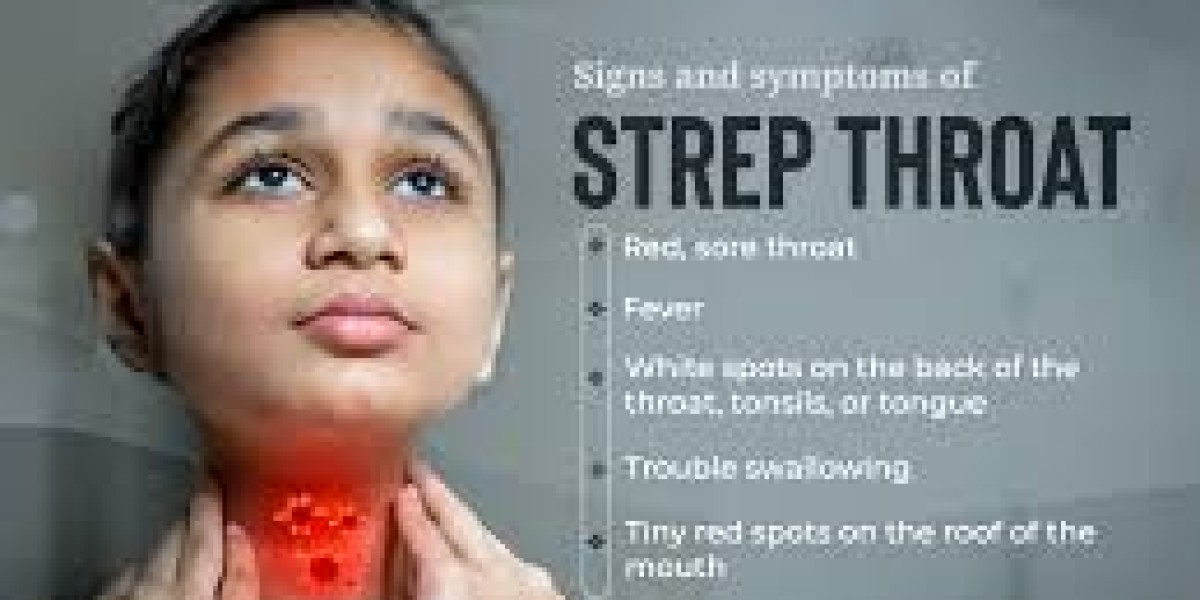

Sore throats are common in children, especially during school seasons, but not every sore throat is the same. One of the most concerning causes is strep throat, a bacterial infection that needs timely treatment. Understanding Strep Throat Symptoms in Kids helps parents act quickly, reduce complications, and support faster recovery. This guide explains early warning signs, how symptoms progress, and when to seek medical care, using clear and simple language.
What Is Strep Throat and Why Kids Are at Risk
Strep throat is an infection caused by group A Streptococcus bacteria. It spreads easily through coughing, sneezing, or close contact, which makes children particularly vulnerable in classrooms and playgrounds. Recognizing Strep Throat Symptoms in Kids early can prevent the infection from becoming severe or spreading to others.
Children between the ages of 5 and 15 are at the highest risk. Their immune systems are still developing, and frequent exposure to other children increases the chances of infection. Unlike viral sore throats, strep throat often comes on suddenly and feels more intense.
Early Signs Parents Often Miss
Many parents assume a sore throat is just part of a cold. However, Strep Throat Symptoms in Kids usually appear quickly and may include more than throat pain. Common early signs include sudden difficulty swallowing, throat redness, and discomfort that seems stronger than a typical viral illness.
In the context of Health and Wellness, it is important to pay attention to subtle changes such as reduced appetite, low energy, or unusual irritability. These early clues, combined with throat pain, may signal strep throat rather than a simple cold.
Throat and Mouth Symptoms to Watch Closely
One of the clearest Strep Throat Symptoms in Kids is a very sore, scratchy throat that worsens rapidly. The throat may look bright red, and white patches or streaks of pus can appear on the tonsils. Swollen tonsils are common and may cause discomfort while speaking or eating.
Children may also complain of a dry or burning feeling in the throat. Unlike viral infections, strep throat rarely causes coughing. If throat pain is severe without a cough, it increases the likelihood that the cause is bacterial.
Fever, Headache, and Body Reactions
Fever is another key part of Strep Throat Symptoms in Kids. Temperatures often rise above 101°F (38.3°C) and may come with chills. Headaches are also frequent, especially in older children who can describe their discomfort clearly.
Some kids experience nausea or stomach pain along with a sore throat. These symptoms can be confusing, but when they occur together, they often point to strep throat rather than a mild illness.
Swollen Lymph Nodes and Skin Changes
Swollen lymph nodes in the neck are a strong indicator of Strep Throat Symptoms in Kids. These glands may feel tender or painful when touched. Parents often notice this swelling before other symptoms become obvious.
In some cases, a red, sandpaper-like rash may develop, known as scarlet fever. While not present in every case, this rash is a clear sign that medical attention is needed immediately.
How Strep Throat Differs From a Common Cold
It is easy to confuse Strep Throat Symptoms in Kids with cold or flu symptoms, but there are important differences. Strep throat usually begins suddenly, without the runny nose or sneezing typical of colds.
Another difference is how quickly symptoms worsen. A child may feel fine one day and very ill the next. This fast progression is a warning sign that the infection is bacterial and should not be ignored.
When to See a Doctor and Get Tested
If Strep Throat Symptoms in Kids last more than 24 hours or are severe, it is important to see a doctor. A rapid strep test or throat culture can confirm the diagnosis. Early testing helps ensure proper treatment and reduces the risk of complications.
Do not delay medical care if your child has high fever, trouble swallowing, or swollen lymph nodes. Prompt diagnosis leads to faster relief and prevents spreading the infection to others.
Treatment, Recovery, and Prevention Tips
Once diagnosed, Strep Throat Symptoms in Kids are typically treated with antibiotics. These medications reduce symptom severity, shorten recovery time, and prevent complications such as rheumatic fever. It is essential to complete the full course, even if symptoms improve.
Encourage rest, fluids, and soft foods during recovery. Good hygiene, including regular handwashing and not sharing utensils, helps prevent future infections. Teaching children these habits supports long-term health and lowers the chance of repeat illness.
Final Thoughts
Understanding Strep Throat Symptoms in Kids empowers parents to respond quickly and confidently. Early recognition, proper medical care, and supportive home treatment can make a big difference in recovery. By staying alert to warning signs and acting early, parents can protect their children’s comfort, health, and overall well-being.