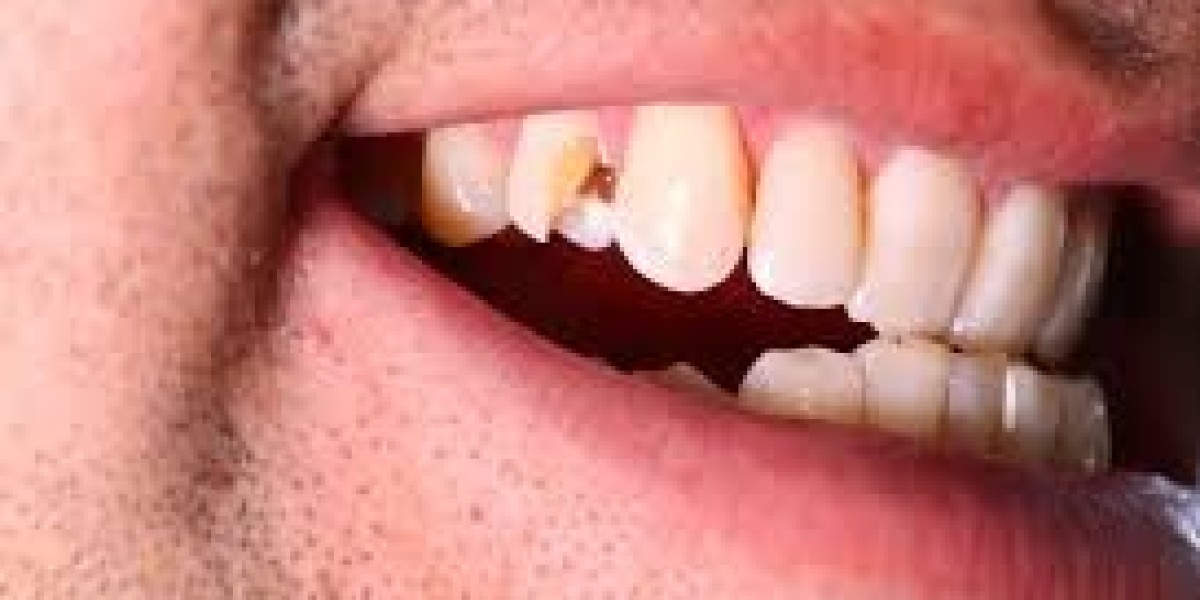

Oral health conditions vary widely in cause, severity, and visibility. While many dental problems such as cavities or gum disease are commonly discussed, some conditions remain relatively unknown to the general public due to their rarity and subtle progression. These lesser-known issues can still pose serious risks if left undetected, making awareness and early diagnosis critically important.
One such condition is Dental Internal Resorption, a rare but potentially destructive process that affects the inner structure of a tooth. Because it often progresses without obvious symptoms, it may go unnoticed until significant damage has occurred. Understanding how and why this condition develops can help patients seek timely professional care.
With increasing access to information through platforms like dental advice today, patients are better equipped to learn about complex dental conditions, recognize warning signs, and engage in informed discussions with oral health professionals. Knowledge plays a vital role in prevention, early intervention, and long-term dental preservation.
What This Condition Means in Simple Terms
A Process That Starts From Within
This condition involves the gradual breakdown of hard dental tissue from inside the tooth. Unlike external damage that begins on the surface, this process originates in the pulp chamber and slowly expands outward. Because the enamel and outer dentin may initially remain intact, early stages are often invisible during routine self-examination.
The internal tissue responsible for nourishment and sensation becomes abnormally active, triggering the resorption process. As this continues, the tooth’s internal structure weakens, increasing the risk of fracture or eventual tooth loss if not addressed.
Why It’s Hard to Detect Early
One of the main challenges associated with this condition is its silent nature. Many patients experience no pain or discomfort in the early stages. In some cases, a slight color change or vague sensitivity may appear, but these signs are easy to overlook or attribute to other dental issues.
Routine dental checkups and imaging are often the only reliable methods for early detection. This highlights the importance of regular professional evaluations, even in the absence of symptoms.
Causes and Risk Factors
Trauma and Injury
Dental trauma is one of the most commonly associated factors. A blow to the mouth, even one that occurred years earlier, can disrupt the internal tissue of a tooth. This disruption may later trigger abnormal cellular activity that leads to internal breakdown.
Sports injuries, accidents, or falls are typical sources of such trauma. Sometimes, patients may not recall the original incident, making diagnosis more challenging.
Chronic Inflammation
Long-standing inflammation within the pulp can also contribute to this condition. Inflammation may result from untreated cavities, repeated dental procedures, or deep restorations that irritate internal tissues.
Over time, this persistent irritation can alter the normal balance of cells responsible for maintaining tooth structure, leading to progressive internal damage.
Recognizing Symptoms and Warning Signs
Visual Changes
One of the more noticeable signs, when present, is a pinkish or reddish hue visible through the enamel. This discoloration results from vascular tissue expanding within the tooth. However, this sign typically appears only after significant progression.
Because not all cases present visible changes, relying solely on appearance is not sufficient for detection.
Sensitivity and Discomfort
Some individuals may experience sensitivity to temperature changes or mild discomfort when chewing. These sensations are not always severe and may come and go, which can delay professional evaluation.
Pain is not always present, and its absence does not indicate that the condition is inactive or harmless.
Diagnostic Methods
Dental Imaging
X-rays are the primary tool used to identify internal structural changes. On imaging, the affected area often appears as a well-defined radiolucent zone within the tooth. Comparing images over time helps determine whether the process is active or stable.
Advanced imaging techniques may be used in complex cases to assess the extent and exact location of the damage.
Clinical Examination
Dentists also rely on clinical signs such as color changes, unusual tooth contours, or unexpected responses to vitality tests. Combining visual inspection with imaging provides a more accurate diagnosis.
Early detection significantly improves treatment outcomes, emphasizing the value of routine dental visits.
Treatment Options and Approaches
Root Canal Therapy
In many cases, root canal treatment is the preferred approach. This procedure removes the affected internal tissue, halting the resorptive process. The canal is then cleaned, shaped, and filled to restore structural integrity.
When performed early, this treatment can preserve the natural tooth for many years.
Surgical Intervention
If the condition has progressed extensively or involves areas difficult to access through conventional methods, surgical intervention may be required. This could include removing damaged sections or, in severe cases, extracting the tooth.
The choice of treatment depends on the extent of damage, tooth location, and overall oral health.
What Patients Should Expect During Care
Treatment Planning
Once diagnosed, dentists develop a personalized treatment plan based on severity and progression. Patients are informed about available options, expected outcomes, and potential risks.
Clear communication helps patients feel more confident and involved in their care decisions.
Recovery and Follow-Up
Post-treatment recovery is typically straightforward, especially with non-surgical procedures. Follow-up appointments ensure that the condition has been successfully managed and that no further progression is occurring.
Long-term monitoring may be recommended to safeguard against recurrence or related issues.
Prevention and Long-Term Oral Health
Importance of Regular Checkups
Routine dental examinations play a critical role in identifying hidden problems before they become severe. Even asymptomatic conditions can be detected early through professional evaluation and imaging.
Consistency in dental visits supports overall oral health and reduces the risk of unexpected complications.
Protecting Teeth From Trauma
Using protective gear during sports and addressing bite issues can reduce the risk of dental injuries. Prompt evaluation after trauma, even if pain is minimal, helps identify potential internal damage early.
Preventive measures are often simpler and more cost-effective than restorative treatments.
Living With and Beyond the Condition
Emotional and Practical Considerations
Learning about a rare dental condition can be stressful for patients. Understanding the diagnosis, treatment options, and prognosis helps alleviate anxiety and supports informed decision-making.
Most cases, when treated appropriately, have positive outcomes and allow patients to maintain normal oral function.
Building Awareness
Greater awareness among patients leads to earlier diagnosis and improved outcomes. Educational resources and professional guidance empower individuals to take an active role in their oral health.
Knowledge, combined with regular dental care, remains the most effective defense against hidden dental conditions.
Conclusion
Rare dental conditions that progress quietly can pose significant risks if overlooked. Understanding causes, symptoms, and treatment options enables patients to seek care before irreversible damage occurs. Early diagnosis, informed decision-making, and professional guidance are key to preserving dental health.
By prioritizing routine checkups, protecting teeth from injury, and staying informed, patients can confidently manage their oral health and address even the most subtle dental concerns with clarity and assurance.