

Keeping a Corn Snake as a pet is a rewarding experience for beginners who want a calm, manageable, and visually striking reptile. This guide is designed to help new owners understand every essential aspect of Corn Snake care, from setting up the right habitat to providing a healthy diet and long-term wellness. With proper knowledge and consistency, a Corn Snake can thrive in captivity for many years.
What Is a Corn Snake and Why It’s Ideal for Beginners
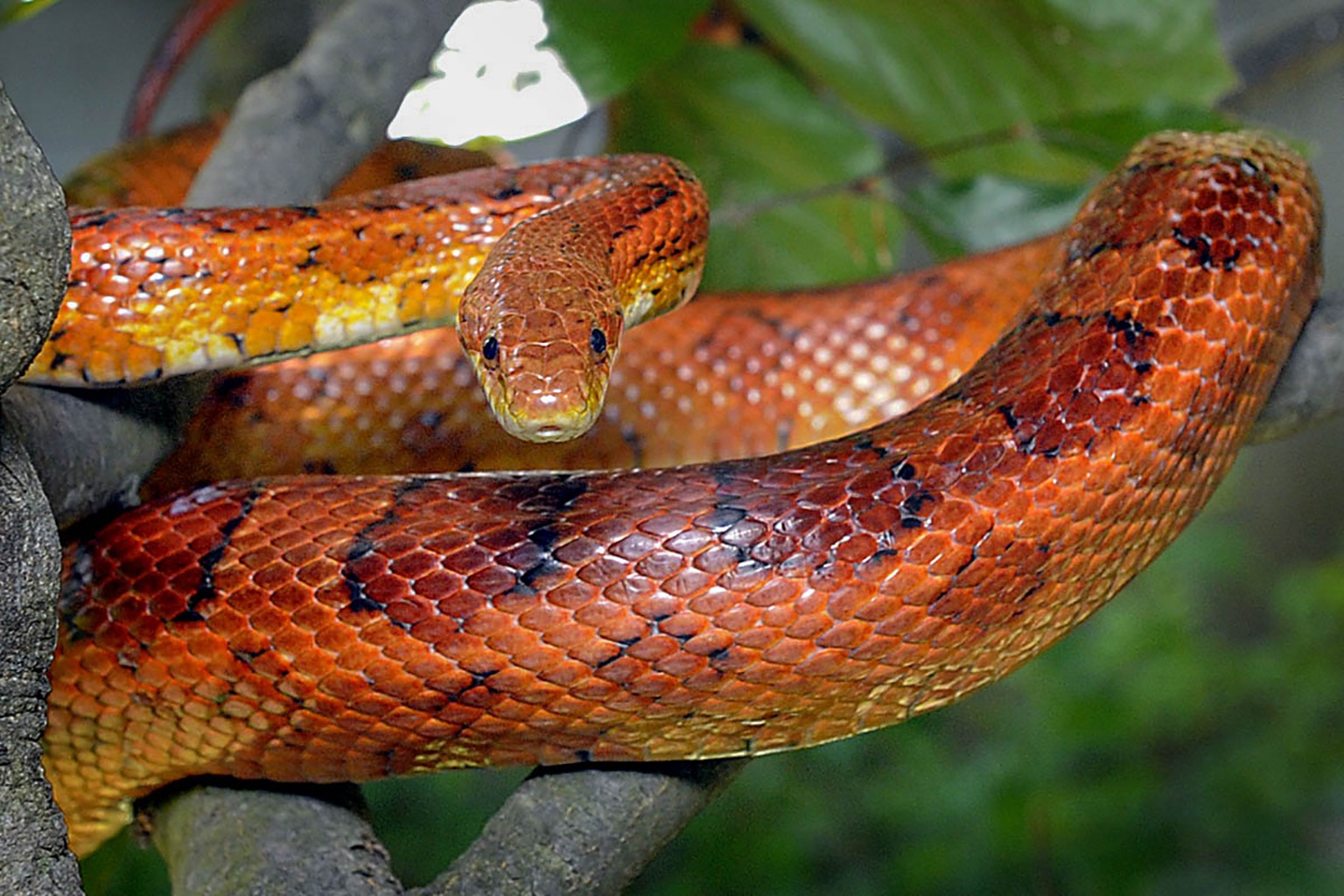
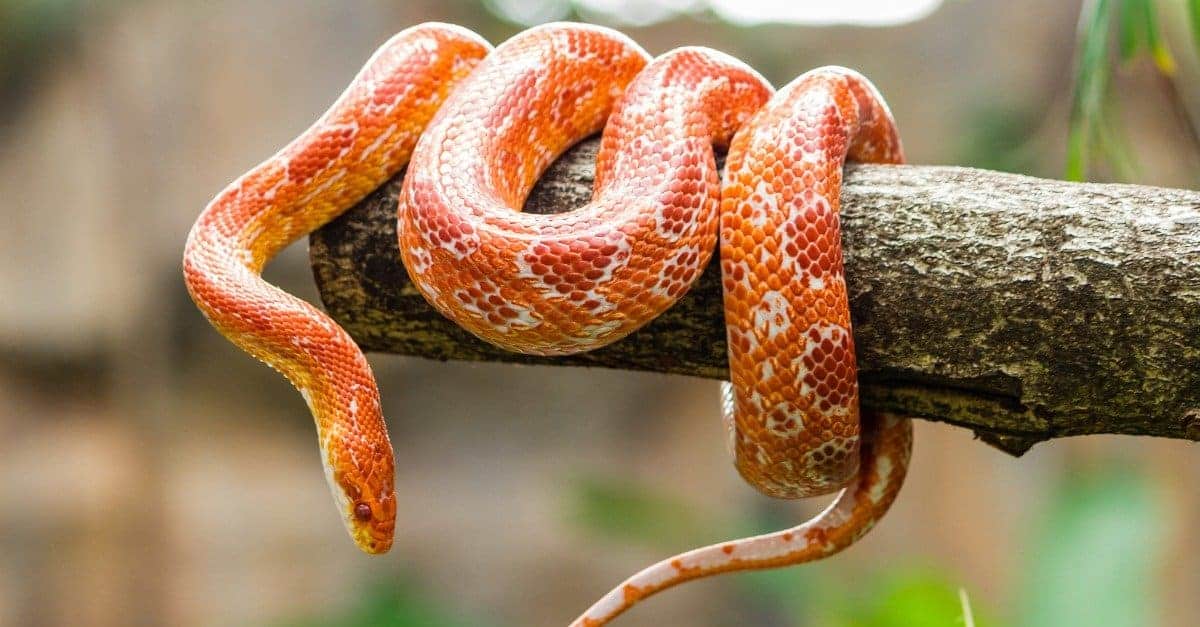
A Corn Snake is a non-venomous constrictor known for its gentle temperament and ease of care. Native to North America, this snake adapts well to captive environments and tolerates handling better than many other reptiles.
For first-time reptile owners, a Corn Snake offers predictable behavior, manageable size, and straightforward care requirements. Unlike more demanding species, a Corn Snake does not require complex lighting systems or specialized diets, making it an excellent entry point into reptile keeping.


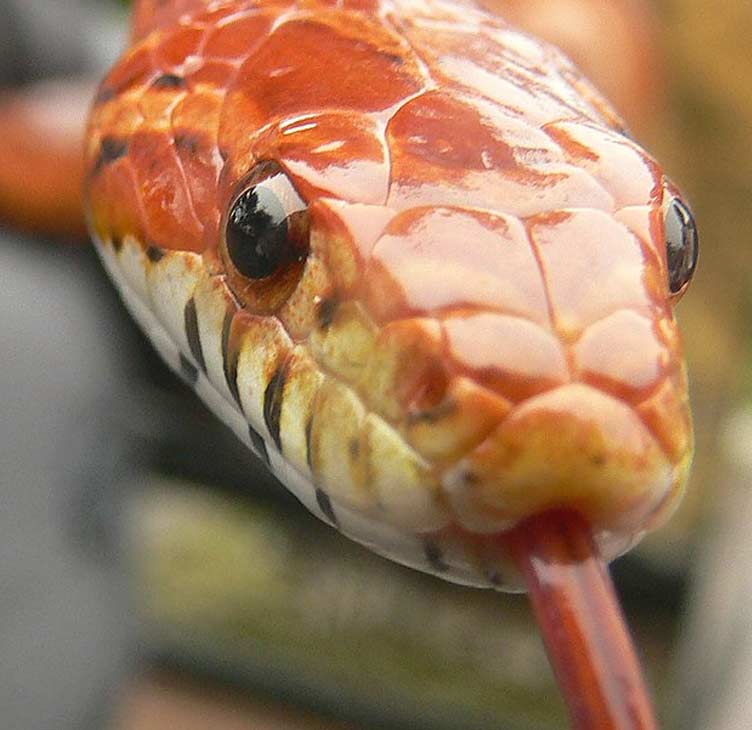
Setting Up the Perfect Corn Snake Habitat
Creating a suitable habitat is critical for the comfort and health of your Corn Snake. The enclosure should mimic natural conditions while allowing easy monitoring and maintenance.
A glass or plastic terrarium of at least 20 gallons works well for a young Corn Snake, while adults benefit from 30–40 gallons. The enclosure should include proper ventilation, secure locking, and enough floor space for movement.
Inside the habitat, maintain a temperature gradient with a warm side (85°F) and a cooler side (75°F). Heat mats or ceramic heat emitters work best. During routine checkups, facilities like Park Hills Animal Hospital can help guide beginners on maintaining ideal environmental conditions if issues arise.


Substrate and Décor for Comfort and Safety
The right substrate helps your Corn Snake feel secure while supporting hygiene. Aspen bedding is a popular choice because it allows burrowing and absorbs waste effectively.
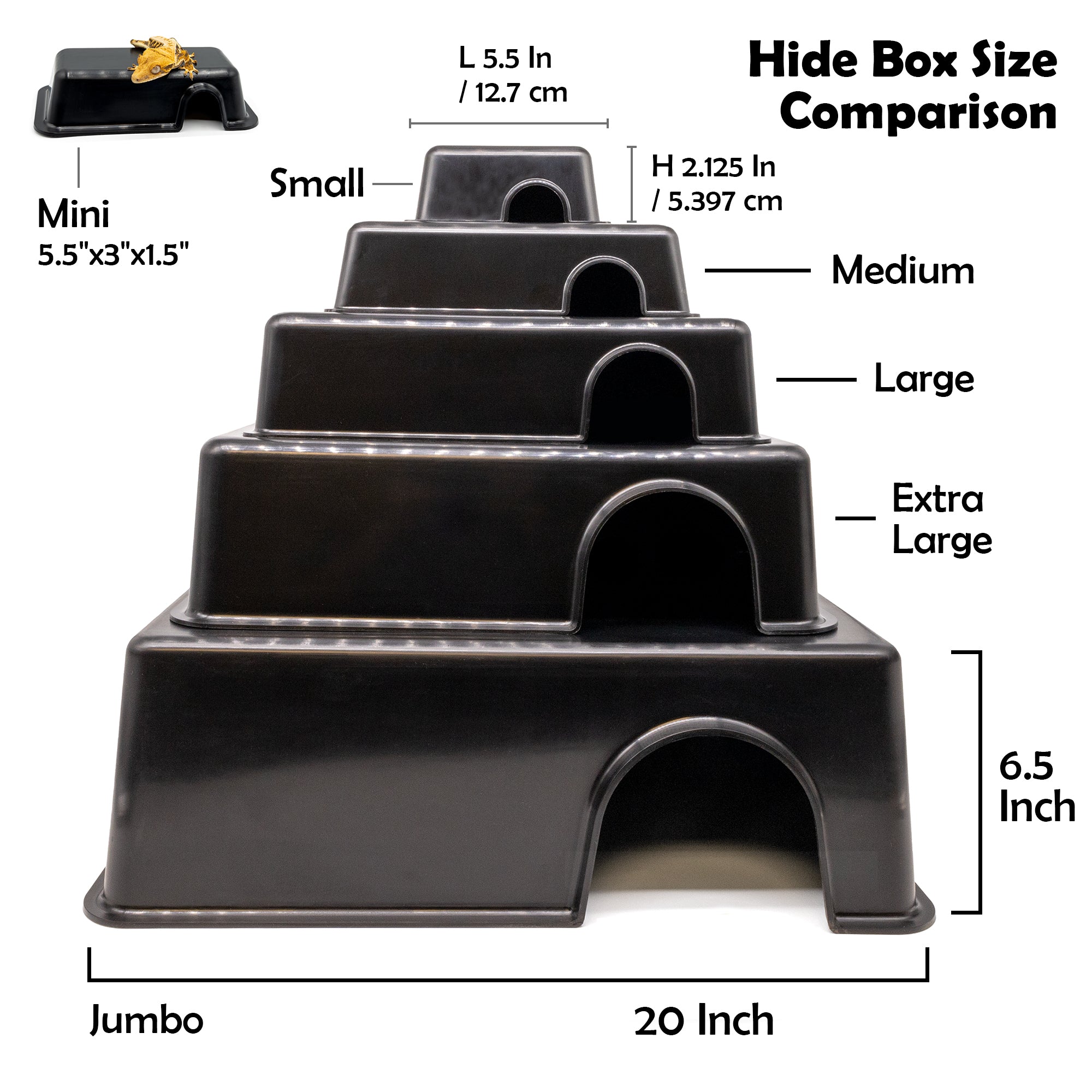
Avoid cedar or pine substrates, as they can harm a Corn Snake’s respiratory system. Add hides on both warm and cool sides so your Corn Snake can regulate body temperature while feeling safe. Branches, artificial plants, and tunnels add enrichment without overcrowding the enclosure.
A well-designed habitat reduces stress, which directly affects your Corn Snake’s feeding habits and overall health.
Understanding the Corn Snake Diet and Feeding Schedule
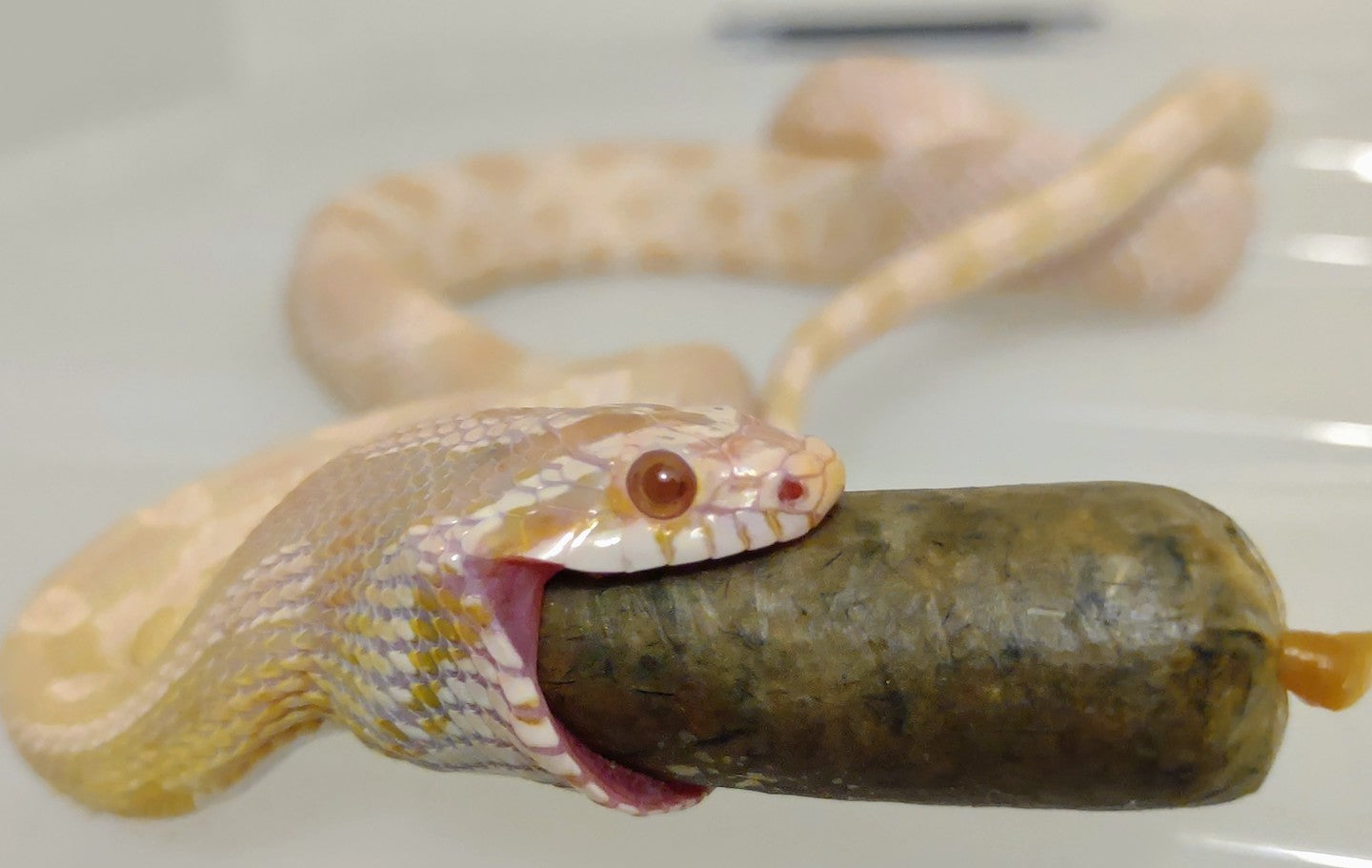
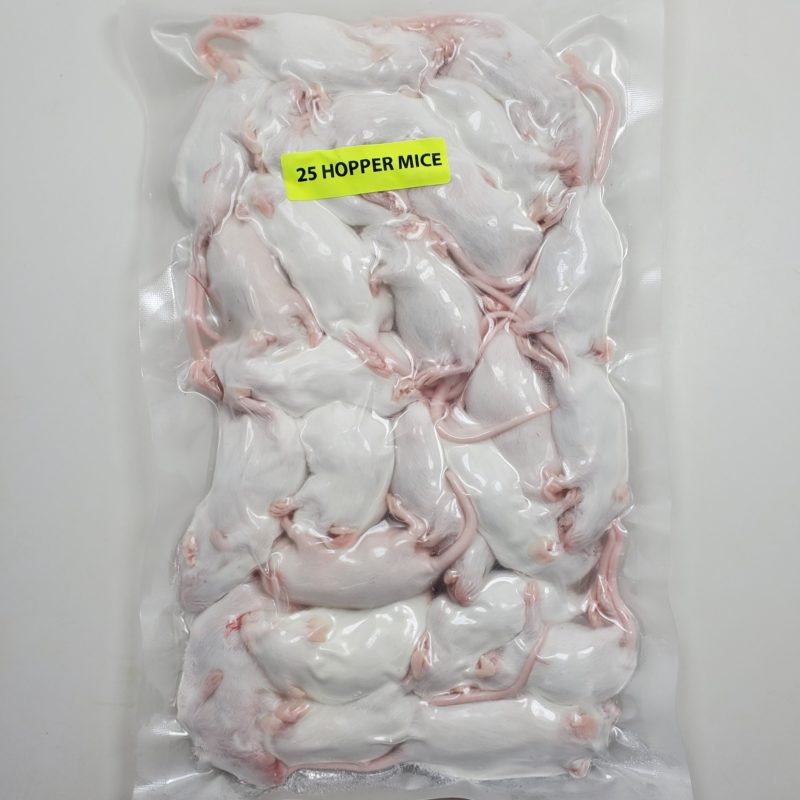
Feeding is one of the simplest aspects of Corn Snake care. In captivity, a Corn Snake thrives on a diet of appropriately sized frozen-thawed mice.
Young Corn Snake hatchlings usually eat once every 5–7 days, while adults eat every 7–10 days. The prey size should never be wider than the snake’s widest body section. Overfeeding a Corn Snake can lead to obesity, while underfeeding can stunt growth.
Always feed your Corn Snake in a calm environment and avoid handling for at least 24 hours after feeding to prevent regurgitation.

Handling and Temperament of Corn Snakes
One reason the Corn Snake is so popular is its docile nature. With regular, gentle handling, a Corn Snake becomes accustomed to human interaction.
When picking up your Corn Snake, support its body fully and avoid sudden movements. Short, frequent handling sessions are better than long ones, especially for younger snakes. Never handle a Corn Snake during shedding or immediately after feeding.
Over time, your Corn Snake will associate handling with safety rather than stress.
Shedding, Health, and Common Issues
Shedding is a natural process for a Corn Snake and usually occurs every few weeks for juveniles and less often for adults. A healthy shed should come off in one complete piece.
Incomplete sheds often indicate low humidity. Providing a humid hide can help your Corn Snake shed properly. Watch for signs of illness such as wheezing, lethargy, or refusal to eat.
Regular observation is key. A healthy Corn Snake is alert, active, and has clear eyes and smooth scales.


Cleaning and Maintaining the Enclosure
A clean environment is essential for your Corn Snake’s well-being. Spot-clean waste as soon as you see it, and replace soiled substrate promptly.
Perform a full enclosure cleaning once a month. During cleaning, temporarily house your Corn Snake in a secure container. Disinfect surfaces with reptile-safe cleaners and allow everything to dry before reassembly.
Consistent maintenance reduces bacteria and keeps your Corn Snake healthy and stress-free.
Long-Term Care Tips for a Healthy Corn Snake
With proper care, a Corn Snake can live 15–20 years in captivity. Long-term success depends on consistency, observation, and willingness to adjust care as your Corn Snake grows.
Monitor weight, feeding response, and behavior regularly. Upgrade the enclosure as needed and continue learning about Corn Snake behavior and needs. A calm routine, balanced diet, and proper habitat ensure your Corn Snake remains active and healthy throughout its life.

Final Thoughts
A Corn Snake is one of the best reptile choices for beginners due to its manageable care requirements and friendly temperament. By focusing on proper habitat setup, a balanced diet, gentle handling, and routine maintenance, you can provide an excellent life for your Corn Snake. With patience and care, your Corn Snake will become a fascinating and rewarding companion for years to come.