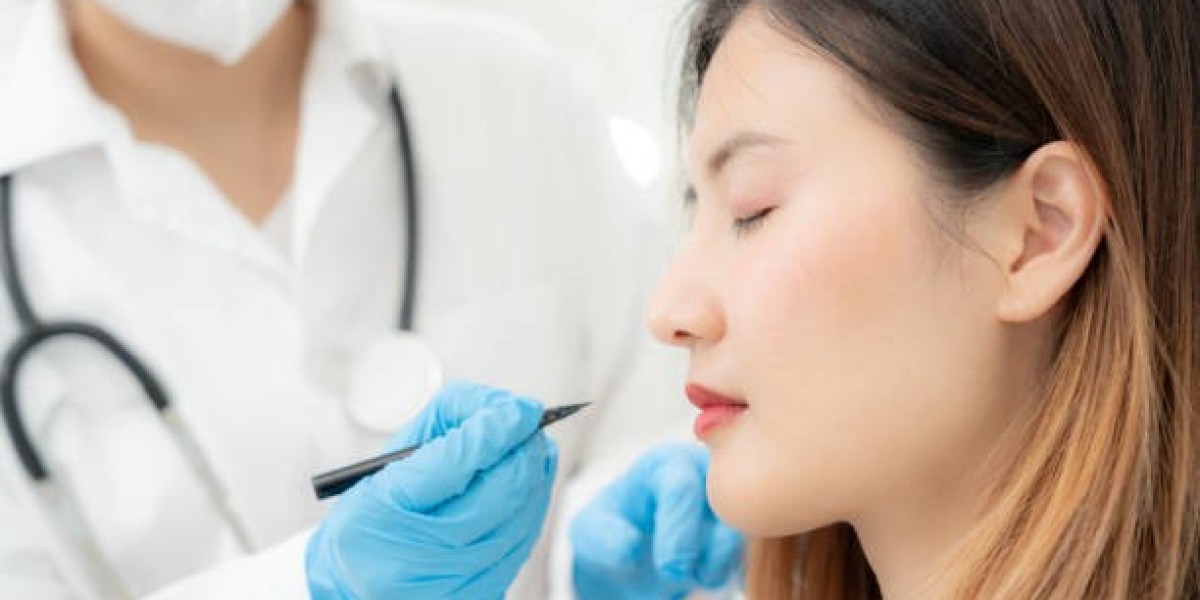

Rhinoplasty is a transformative procedure, but healing is a gradual process that requires patience and proper care. Understanding the healing stages and what to expect at each phase helps patients stay calm, confident, and informed throughout recovery. Rhinoplasty in Saudi Arabia is increasingly popular due to advanced surgical techniques and experienced specialists who guide patients through every stage of healing for natural and long-lasting results.
Stage 1: First 24–72 Hours After Surgery
The first 1–3 days after rhinoplasty are the most sensitive. Patients often experience swelling, bruising, and mild discomfort. A nasal splint is typically placed to protect the nose and support its new shape. Breathing may feel slightly restricted due to swelling, but this is normal. Rest, hydration, and following post-operative instructions are crucial during this stage.
Stage 2: First Week of Recovery
During the first week, swelling and bruising gradually improve. Most patients notice a significant reduction in bruising around the eyes. The splint is usually removed after 7 days, revealing the initial shape of the nose. Patients are advised to avoid strenuous activities and keep their head elevated to reduce swelling.
Stage 3: Weeks 2–4: Noticeable Improvement
In the second to fourth week, swelling continues to decrease, and patients begin to see more noticeable changes in the nose shape. While the nose looks more refined, it may still feel slightly stiff or numb. Patients should continue following post-operative care guidelines and avoid heavy lifting or intense exercise.
Stage 4: Months 2–6: The Nose Starts Settling
Between 2 to 6 months, the nose gradually settles into its new position. Swelling reduces significantly, especially around the nasal bridge. The nasal tip may still take time to fully define, but patients typically feel more confident as the shape becomes clearer. Regular follow-up visits help monitor healing and ensure proper progress.
Stage 5: 9–12 Months: Final Results Appear
The final stage of healing occurs around 9–12 months after surgery. Swelling fully resolves, and the nose reveals its final shape and proportions. This stage is especially important for the nasal tip, which can take longer to settle. Patients often experience a sense of relief and confidence once they see the final outcome.
Common Emotional Experiences During Healing
Emotional changes are normal during rhinoplasty recovery. Patients may feel anxious, impatient, or uncertain, especially when swelling masks the final results. It’s important to stay patient and focus on gradual progress. Staying connected with a support system and maintaining realistic expectations helps manage emotions throughout the healing process.
Tips for a Smooth Healing Journey
To support healing, patients should follow post-operative instructions, avoid smoking, maintain a healthy diet, and protect the nose from trauma. Avoid wearing glasses or heavy makeup in the early weeks to prevent pressure on the nose. Regular follow-up visits with the surgeon ensure a safe and successful recovery.
Book Your Consultation at Royal Clinic Saudia
If you want expert guidance through the healing stages of rhinoplasty, Royal Clinic Saudia offers personalized care and advanced surgical techniques. Schedule your consultation today and take the first step toward a balanced, confident look.