
When you embark on a home improvement journey, there is a specific kind of excitement that comes with the first swing of a hammer or the first cabinet door you unscrew. But that excitement can quickly turn into a headache when you realize just how much physical space your old life takes up once it is ripped out and piled on the floor. Most of us underestimate the sheer volume of debris that a single room can produce. This is why choosing the right waste container is the most important logistical decision you will make. Among all the options out there, the 20 yard dumpster stands out as the absolute favorite for homeowners and contractors alike.
It is often referred to as the "Goldilocks" of dumpsters. It isn't so small that you are constantly worried about overflowing the sides, yet it isn't so massive that it takes up your entire driveway or looks like a commercial shipping container parked in front of your flower beds. It strikes a balance that works for a huge variety of tasks, making it the go-to choice for people who want to get the job done without any unnecessary drama.
Visualizing the Scale
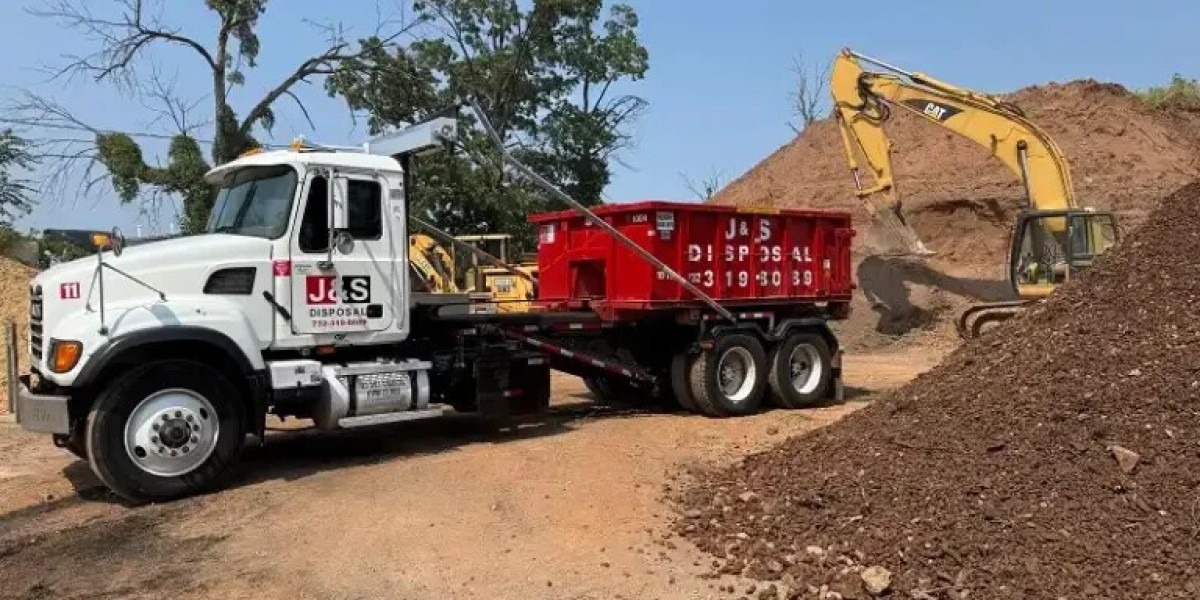
To understand why this size is so popular, you have to look at the physical footprint. Typically, these containers measure about 22 feet long, 8 feet wide, and 4.5 feet tall. That height is a key factor. At four and a half feet, it is low enough that most adults can easily toss bags of trash over the side without needing to be a professional athlete.
If you are trying to picture the capacity in your head, think about a standard pickup truck. A 20 yard container holds the equivalent of about six to eight pickup truck loads. If you have ever spent a Saturday morning loading up a truck, driving to the dump, waiting in line, unloading it by hand, and driving back, you know that doing that eight times is a recipe for a ruined weekend. Having one large bin delivered to your door saves your back, your gas tank, and your sanity.
The Best Uses for a 20 Yarder
So, what kind of projects actually call for this specific size? It is perfectly suited for medium-sized renovations. If you are gutting a standard kitchen, you are going to have a lot of bulky items like cabinets, countertops, and maybe an old dishwasher or stove. These items don't stack neatly, and they take up a lot of "air space." The 20 yarder gives you enough room to fit those awkward shapes alongside the smaller scraps.
It is also the gold standard for roofing projects. If you are pulling off a single layer of asphalt shingles on a roof that is roughly 2,500 square feet, this bin will handle it beautifully. Shingles are incredibly heavy, and because the walls of this dumpster aren't excessively high, it keeps the weight manageable for the truck that eventually has to haul it away.
Another common scenario is the "big move." When you have lived in a house for ten or twenty years, the attic and the garage become museums of things you no longer need. From broken holiday decorations to old exercise equipment and boxes of magazines, a dumpster 20 yard capacity allows you to clear out the clutter in one fell swoop, leaving you with a clean slate for your new home or your newly organized space.
Placement and Logistics
Before the delivery truck arrives, you need to have a plan for where that big steel box is going to sit. Most people prefer the driveway because it keeps the dumpster off the grass and close to the house. Since it is about 22 feet long, it fits in most standard residential driveways, but you should always make sure you have enough "swing room" for the truck to back in.
If your driveway is narrow or has a steep incline, you might consider placing it on the street. Just remember that many towns require a temporary permit for street placement, which might cost a few extra dollars and take a couple of days to process. It is also a smart move to lay down some long wooden planks or plywood for the dumpster wheels to rest on. This protects your driveway from scratches or "sinking" if the ground gets soft after a rainstorm.
Filling It the Smart Way
There is an art to loading a dumpster. You might be tempted to just throw things in as they come, but a little bit of strategy goes a long way. Start with your flattest, heaviest items. Old plywood, doors, and flooring should go at the bottom. This creates a flat base and ensures you aren't leaving huge gaps of empty space.
One of the best features of these units is the large swinging door on the back. You don't have to lift everything over the top. You can open the door and walk your heavy items, like old sofas or heavy appliances, directly into the bin. This is a lifesaver for your lower back. Once the bottom is covered, you can start filling in the gaps with smaller debris. Just make sure everything stays below the top rail so the driver can safely pull a tarp over it when it’s time for pickup.
Conclusion
In the world of home improvement, momentum is everything. There is nothing that kills your progress faster than having a pile of trash blocking your work area. A 20 yard dumpster rental provides the space you need to keep your site clean and your mind focused on the project. It is the reliable, middle-of-the-road option that handles almost anything a residential project can throw at it. Whether you are tearing up a deck, cleaning out a basement, or finally getting that new roof installed, having the right container makes the entire process feel less like a chore and more like a transformation.
Frequently Asked Questions
How long can I keep the dumpster on my property?
Most rental agreements come with a standard period of seven to ten days. This is usually plenty of time for a weekend project or a week-long renovation. If you find that the project is taking longer than expected, most companies are happy to extend the rental for a small daily fee, as long as you give them a call a day or two before your scheduled pickup.Are there weight limits I should worry about?
Yes, every dumpster has a weight capacity, usually ranging from two to four tons for this size. For most household junk and construction debris, you won't hit this limit. However, if you are filling it with very heavy materials like dirt, brick, or concrete, you can exceed the limit very quickly. Always tell your provider if you plan on disposing of heavy masonry so they can advise you on the best way to load it.What happens if I overfill it?
Safety is the biggest concern here. If the debris is piled higher than the sides of the dumpster, the driver cannot legally or safely transport it on the road. They will likely ask you to remove the excess before they can take the load. It is always better to level things out as you go to avoid any delays on pickup day.Do I need to be home when they drop it off?
As long as the area is clear and you have given specific instructions on where you want it placed, you don't need to be there. Just make sure there aren't any cars blocking the driveway and that there are no low-hanging wires or tree branches that would prevent the truck from raising its hoist.Can I put old tires or electronics in there?
Most local regulations prohibit things like tires, car batteries, and "e-waste" (like old TVs or monitors) from going into landfills via a standard dumpster. If you have these items, let the rental company know. They can often provide a separate solution or tell you where the nearest recycling drop-off is located.