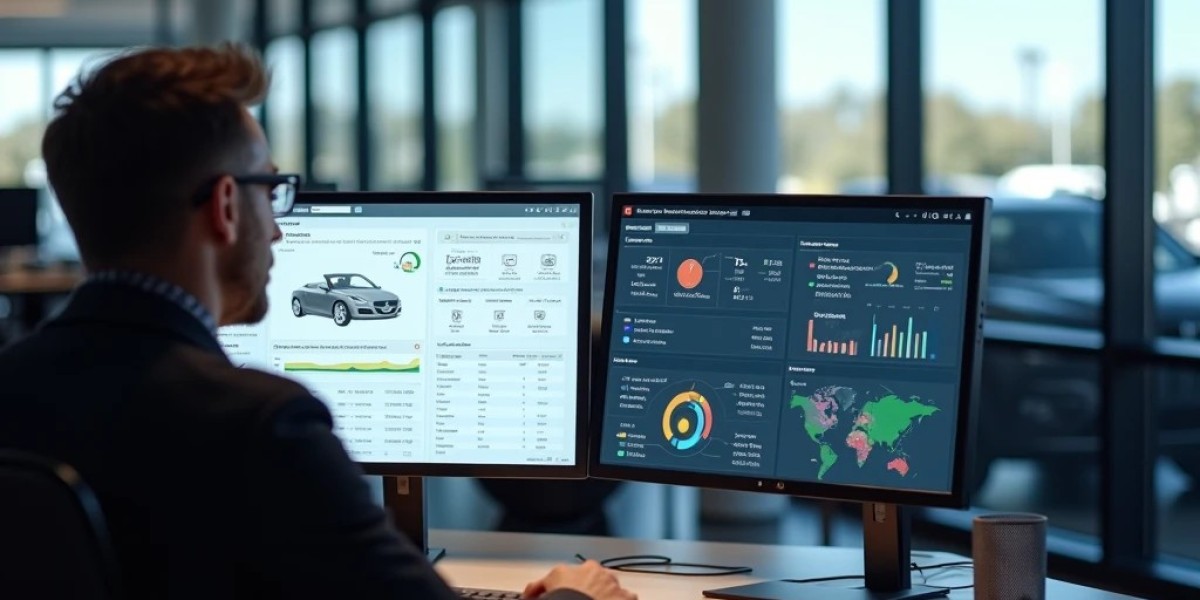

Businesses operating in VAT-regulated environments must follow strict rules for invoicing, record keeping, reporting, and tax submission. Errors or delays can result in penalties, audits, and financial risk.
A VAT-Compliant Accounting System helps organizations manage VAT processes accurately and efficiently by automating calculations, maintaining proper records, and generating compliant reports in line with regulatory requirements.
Centralized VAT Data Management
Handling VAT manually often leads to inconsistent records and calculation errors. A VAT-Compliant Accounting System centralizes all tax-related data, including invoices, credit notes, tax codes, and transaction histories. This unified structure ensures accuracy and allows businesses to retrieve information quickly for audits or compliance reviews.
Automated VAT Calculations
Incorrect tax calculations are a major source of compliance issues. The system automatically applies the correct VAT rates to sales and purchases based on predefined tax rules. It calculates VAT amounts in real time, reducing human error and ensuring that every transaction follows regulatory standards.
Compliant Invoicing and Documentation
Tax authorities require specific invoice formats and mandatory details. A VAT-Compliant Accounting System generates invoices that meet legal requirements, including VAT registration numbers, tax breakdowns, and total payable amounts. Digital storage of invoices and receipts ensures easy access and long-term record retention.
Efficient VAT Return Preparation
Preparing VAT returns manually can be time-consuming and prone to mistakes. The system consolidates all VAT data into structured reports that support accurate VAT return filing. It summarizes output tax, input tax, and net VAT payable, enabling businesses to submit returns confidently and on time.
Audit-Ready Reporting and Transparency
Maintaining transparency is essential for regulatory compliance.
The system provides detailed audit trails and transaction logs, allowing businesses to track changes and verify records. Comprehensive reports simplify audit processes and demonstrate full compliance with tax regulations.
Integration with Financial Operations
VAT compliance is most effective when integrated with daily accounting activities. A VAT-Compliant Accounting System connects with sales, purchasing, and inventory modules to ensure VAT is calculated and recorded automatically during transactions. This integration eliminates duplicate work and keeps financial records aligned.
Scalable and Secure Accounting Platform
As businesses grow, VAT complexity increases. The system is designed to scale with transaction volume and regulatory changes. Secure access controls, data encryption, and regular backups protect sensitive financial information while ensuring system reliability.
Technology Expertise Supporting VAT Compliance
Choosing the right technology partner ensures reliable implementation.
NXP Technologies delivers VAT-Compliant Accounting System solutions tailored to business needs and regulatory standards. Their focus on automation, security, and reporting accuracy helps organizations maintain full VAT compliance with confidence.
Conclusion
A VAT-Compliant Accounting System is essential for businesses seeking accurate tax management, regulatory adherence, and financial transparency. By automating VAT processes, generating compliant documentation, and providing audit-ready reports, it reduces risk and improves operational efficiency. Adopting a robust VAT-compliant system is a strategic step toward long-term financial stability and regulatory confidence.