
There is a common misconception that an air conditioning unit "freezes up" because it is working too well. In reality, a frozen evaporator coil is a sign of a system under immense stress or suffering from a mechanical failure. During the peak of summer, when humidity levels are at their highest, your AC system has to work twice as hard. It isn't just cooling the air; it is actively removing gallons of water from the indoor environment. When the delicate balance between airflow and refrigerant temperature is disrupted, that moisture turns into ice. For those pursuing a career in heating ventilation air conditioning, understanding the physics of the refrigeration cycle is essential to diagnosing why these failures occur. A frozen unit is a symptom of a deeper issue that requires more than just a hairdryer to fix; it requires a systemic evaluation of the home's climate control environment.
The Role of the Evaporator Coil and Heat Exchange
To understand why ice forms, we must look at the evaporator coil located inside your home. This coil is filled with very cold refrigerant. As the warm, humid air from your house is blown over the coil, the refrigerant absorbs the heat, and the moisture in the air condenses into water droplets, which should then drip into a primary drain pan. However, if the air moving over that coil is restricted or if the refrigerant is not at the correct pressure, the coil temperature can drop below the freezing point. On high humidity days, the volume of water vapor is so great that it can quickly flash-freeze onto the metal fins.
Once a thin layer of ice forms, it acts as an insulator, preventing the remaining warm air from reaching the refrigerant. This causes a "snowball effect" where more ice accumulates until the entire coil is encased in a frozen block.
Restricted Airflow: The Most Common Culprit
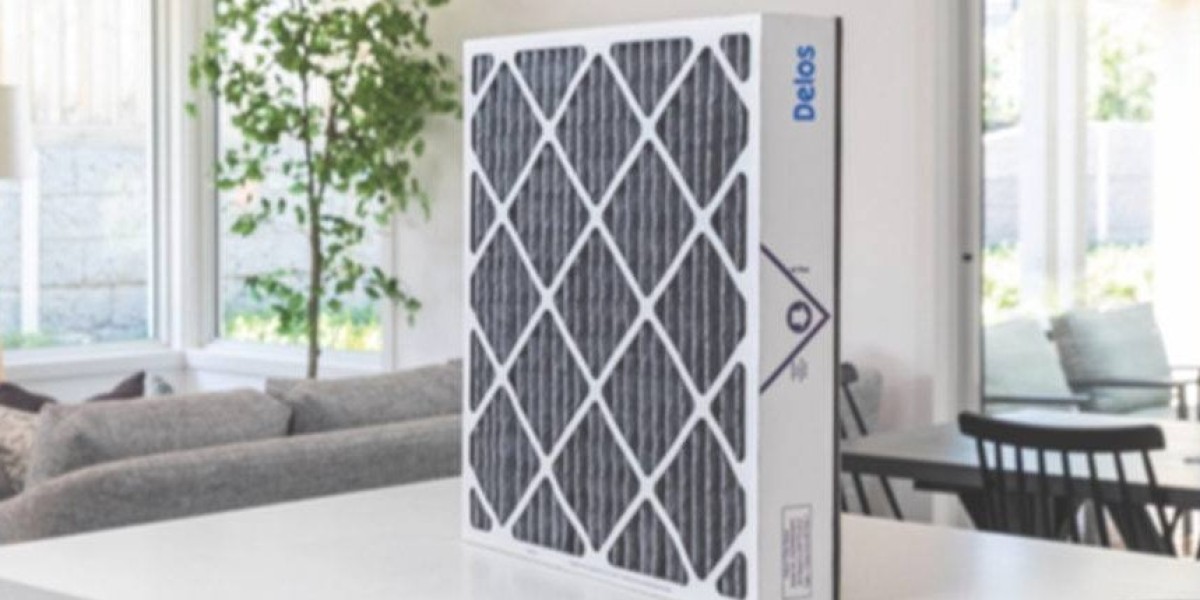
By far, the most frequent reason an AC unit freezes during the summer is restricted airflow. For the heat exchange process to work correctly, a specific volume of warm air must pass over the evaporator coil to keep it above $32^{\circ}F$. If the air filters are clogged with dust, pet hair, or dander, the system cannot "breathe" properly. Without enough warm air to keep the coil warm, the refrigerant remains too cold, and the condensation freezes instantly.
Furthermore, blocked return vents or closed supply registers can also starve the system of the air it needs. Many homeowners mistakenly close vents in unused rooms to "save energy," but this actually increases the pressure in the ductwork and reduces airflow, leading to a frozen system. Professional heating ventilation air conditioning training emphasizes the importance of static pressure and duct design, teaching technicians that an AC unit is a finely tuned machine that requires an unobstructed path for air to move from the house, through the filter, and back into the living space.
Low Refrigerant Levels and Pressure Drops
Another significant cause of a frozen AC unit is low refrigerant. It may seem counterintuitive that having less cooling fluid would make a system freeze, but the physics of the refrigeration cycle explain why this happens. When the refrigerant level is low (usually due to a leak), the pressure inside the evaporator coil drops. According to the laws of thermodynamics, as pressure drops, the temperature of the refrigerant also drops.
High Humidity and the Condensate Drain System
During high humidity summer days, your AC unit acts as a massive dehumidifier. It can pull several liters of water out of the air every hour. This water must be channeled through a condensate drain line to the outside or a floor drain. If the drain line is clogged with algae, mold, or debris, the water can back up into the drain pan. In some cases, if the water cannot escape, it remains in close proximity to the freezing coils and contributes to faster ice formation.
A professional technician doesn't just look at the coils; they inspect the entire drainage infrastructure. In a heating ventilation air conditioning curriculum, students learn about the importance of trap priming and drain line maintenance. On humid days, a minor clog can lead to a major flood in the attic or closet where the indoor unit is located. Keeping the drainage path clear is just as important as keeping the air filters clean when it comes to preventing mid-summer system failures.
Mechanical Failures: Blower Motors and Contactors
Sometimes, the issue isn't the air or the fluid, but the mechanical parts responsible for moving them. If the blower motor is failing or running at a lower RPM than required, the airflow will be insufficient to prevent freezing. Similarly, a stuck contactor in the outdoor unit can keep the compressor running even when the indoor fan has turned off, leading to a rapid freeze-over because there is no air moving across the indoor coil while the refrigerant continues to flow.
Identifying these electrical and mechanical faults requires specialized diagnostic tools and a deep understanding of circuitry.
Prevention and Professional Maintenance
The best way to ensure your AC unit survives the high humidity of summer is through preventative maintenance. This includes changing filters every 30 to 90 days, keeping the outdoor condenser unit free of grass clippings and leaves, and having a professional inspection once a year. During these inspections, a technician will check refrigerant levels, clean the coils, and ensure the blower motor is pulling the correct amperage.