
There is a distinct moment of frustration when you are trying to maneuver into a tight parking space and the steering wheel suddenly feels like it is made of lead. Curiously, as soon as you give the car a bit of throttle or pull away, the assistance returns, and the wheel becomes easy to turn again. This specific symptom—stiffness at idle that disappears with higher engine RPMs—is a classic diagnostic indicator in automotive repair. It suggests that the power steering system is struggling to generate enough hydraulic pressure or electrical torque at lower speeds.
The Hydraulic Heart: Pump Efficiency and Pressure Loss
In vehicles equipped with traditional hydraulic power steering, the pump is driven by the engine via a serpentine belt. The pump’s job is to circulate pressurized fluid to the steering rack, which then assists you in moving the wheels. Because the pump is directly linked to the engine's rotation, its output is inherently tied to the engine's RPM. Under normal conditions, a healthy pump should produce sufficient pressure even at a low idle (roughly 700 to 900 RPM). However, as a pump wears down internally, its ability to maintain that pressure at low speeds diminishes. The internal vanes may be worn, or the bypass valve might be sticking, causing the fluid to circulate within the pump rather than being sent to the steering rack.
When you rev the engine, the pump spins faster, temporarily overcoming these internal leaks and providing the pressure needed to assist the steering. This is why the heaviness disappears as you move. In a professional car mechanic course, students are taught to use pressure gauges to test the pump's output at various RPM intervals. Often, the solution is not just adding fluid, but replacing the pump entirely or rebuilding the internal seals. Understanding the relationship between mechanical speed and hydraulic pressure is a fundamental pillar of steering diagnostics that prevents the unnecessary replacement of the steering rack itself.
The Role of Fluid Viscosity and Contamination
The condition of the power steering fluid is just as important as the pump itself. Over time, hydraulic fluid breaks down due to the immense heat generated by the system. It can also become contaminated with microscopic metal shavings from the pump or rubber particles from aging hoses. When the fluid becomes dirty or "burnt," its viscosity changes. At idle, when the pump is at its weakest, this degraded fluid may struggle to flow through the narrow orifices of the steering gear, leading to that heavy, stiff sensation in the wheel. Furthermore, air bubbles trapped in the system—often caused by a tiny leak in the intake hose—can cause the pump to cavitate, drastically reducing its efficiency at low speeds.
Serpentine Belt Tension and Pulley Slippage
Sometimes, the heavy steering has nothing to do with the internals of the pump and everything to do with how the pump is being turned. The serpentine belt is responsible for transferring the engine's rotational energy to the power steering pump. If the belt is glazed, stretched, or if the automatic tensioner is failing, the belt may slip on the pump's pulley. This slippage is most likely to occur at idle because the engine is not spinning fast enough to maintain the necessary friction under the high load of a turning steering wheel. You might notice a faint squealing sound when you turn the wheel at a standstill, which is a classic sign of a slipping belt.
In a car mechanic course, you would learn how to inspect a drive belt for "cracking" or "pitting." A belt that appears shiny or "glazed" on the underside has lost its grip. Even if it isn't making noise, it might be slipping just enough to drop the pump's RPM below the threshold required for assist. Checking the tensioner's alignment and the health of the pulleys is part of a standard preventative maintenance schedule. Replacing a worn belt is one of the most cost-effective ways to fix heavy steering, yet it is often overlooked by those who jump straight to assuming the steering rack is broken.
Electronic Power Steering (EPS) and Alternator Output
Modern cars have largely moved away from hydraulics in favor of Electronic Power Steering (EPS), which uses an electric motor attached to the steering column or rack. In these systems, the "heavy at idle" symptom usually points toward an electrical issue rather than a mechanical one. Because the EPS motor draws a massive amount of current—especially when the car is stationary and the tires have the most resistance—it relies heavily on the alternator's output. If your alternator is beginning to fail or if the battery is weak, the car’s computer might "load shed," which means it reduces power to non-essential systems like the steering assist to keep the engine running at idle.
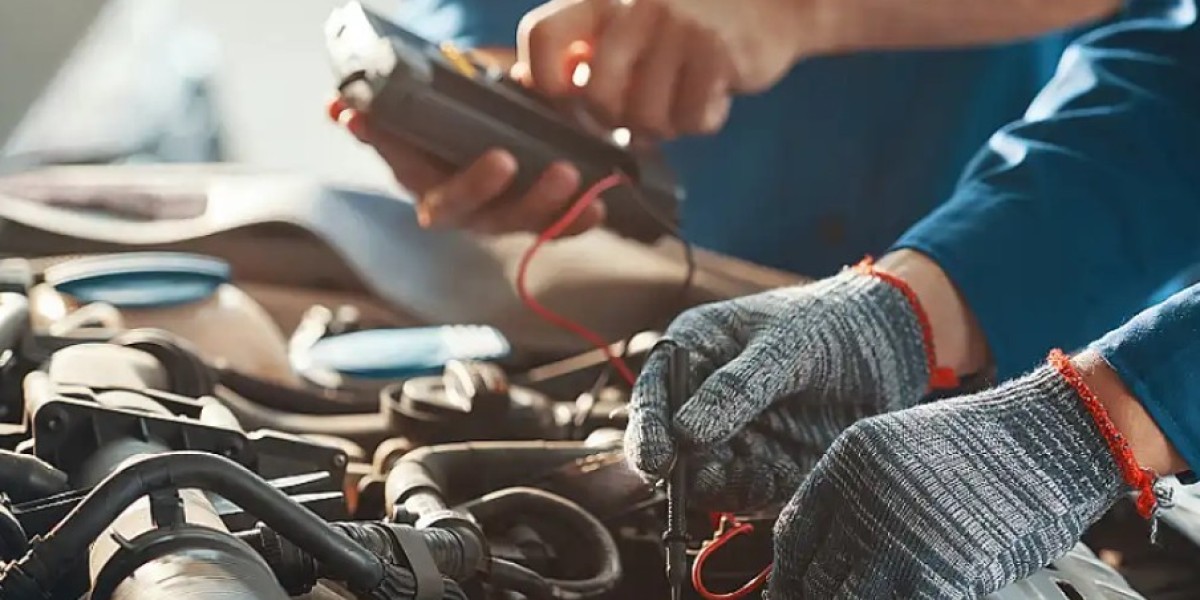
Diagnosing an EPS failure requires a different set of tools, such as a multimeter or a diagnostic scan tool. In a car mechanic course, students learn how to test the charging system under load. If the alternator is only putting out 12.5 volts at idle instead of the required 14.2 volts, the EPS motor won't have the torque necessary to help you turn the wheels. Often, the "stiff steering" is actually the first warning sign of a dying battery or alternator, appearing long before the dashboard warning lights come on. This highlights how interconnected modern vehicle systems have become, requiring a holistic understanding of both electronics and mechanics.
Investigating the Steering Rack and Internal Leaks
If the pump, fluid, and belt are all in perfect condition, the fault may lie within the steering rack itself. Inside the rack is a rotary valve that directs fluid to either the left or right side of a piston to help you turn. If the internal seals in this valve or the piston start to leak, the pressurized fluid "bypasses" the mechanism and returns to the reservoir without doing any work. Similar to a worn pump, this internal leak is most noticeable at idle when the fluid pressure is at its lowest.