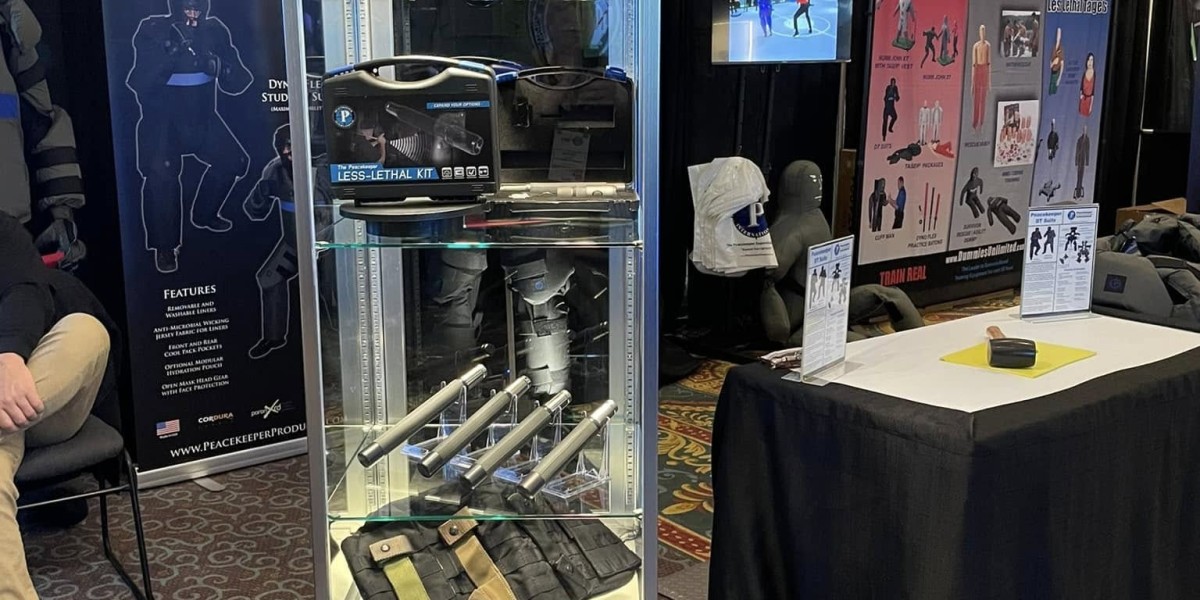

It’s about how you carry it. A reliable holster setup improves response time, increases safety, and supports consistent performance across long shifts. Two carry options that continue to earn trust in the field are the leather baton holster and the modern police holster platform.
Professionals across law enforcement and security roles regularly tell us the same thing: comfort, retention, and access matter just as much as durability. At Peacekeeper Products International, we design and supply holster solutions based on real-world use, not just product specs. In this guide, we’ll break down what makes a strong holster system, how materials affect performance, and how to choose the right setup for your role.
Let’s dig in.
Why Holster Quality Directly Affects Performance
Holsters are often treated like simple accessories, but in reality, they’re critical deployment tools. A poorly designed holster can slow your draw, reduce retention, and create inconsistency in high-pressure moments.
A well-built police holster or leather baton holster supports:
Faster, smoother access
Better tool retention
Consistent positioning
Reduced movement bounce
Greater comfort during long wear
Improved muscle memory
At Peacekeeper Products International, we approach holster design as part of a total carry system — not a standalone item.
The Enduring Value of a Leather Baton Holster
Despite the rise of synthetics and polymers, the leather baton holster remains a trusted choice for many professionals. There’s a reason leather has stayed relevant for decades: when properly made, it offers durability, structure, and comfort.
Key Advantages of a Leather Baton Holster
Comfort Over Long Shifts
Naturally flexible material
Conforms slightly to wear pattern
Reduced hard-edge pressure points
Strong Structural Support
Thick-cut leather resists collapse
Maintains opening shape
Supports consistent re-holstering
Professional Appearance
Traditional duty look
Uniform-friendly styling
Command-approved in many agencies
Quiet Operation
Less noise than rigid plastics
Reduced clatter during movement
At Peacekeeper Products International, our leather baton holster designs use reinforced stitching and treated leather to improve weather resistance and lifespan.
What to Look for in a Police Holster
A modern police holster must meet stricter performance standards than ever before. Today’s duty environments demand secure retention, fast access, and mounting flexibility.
Essential Police Holster Features
Retention Systems
Passive retention (friction-based)
Active retention (release mechanism)
Adjustable tension options
Mount Compatibility
Duty belt mounts
Paddle mounts
Drop-offset systems
MOLLE adapters
Durability
Impact-resistant body
Reinforced mounting hardware
Weather-tolerant materials
Ergonomic Design
Natural draw angle
Glove-friendly release
Smooth re-holstering path
Peacekeeper Products International evaluates police holster designs based on draw consistency under stress, not just retention strength.
Leather vs Synthetic: Which Should You Choose?
Both leather and synthetic holsters have strengths. The right choice depends on your duty environment, comfort preference, and agency requirements.
Leather Baton Holster Best For:
Traditional duty uniforms
Long wear comfort
Lower-noise movement
Classic styling preference
Moderate weather exposure
Synthetic Police Holster Best For:
High-moisture environments
Tactical setups
Modular mounting needs
Extreme durability demands
Frequent wash-down cleaning
At Peacekeeper Products International, we supply both material types because real users have different operational needs.
Retention and Access: Finding the Right Balance
Every holster must balance two competing priorities:
Secure retention
Fast access
Too tight, and your draw slows down. Too loose, and the retention risk increases. A good police holster or leather baton holster hits the middle ground.
Retention Testing Tips
Perform unloaded shake tests
Practice sprint and kneel drills
Test seated vehicle access
Check retention after repeated draws
Inspect mounting screws regularly
We recommend routine retention checks across all holster types at Peacekeeper Products International.
Positioning Your Holster for Real-World Use
Holster placement is just as important as holster quality. Poor placement leads to awkward draws and inconsistent movement.
Smart Placement Guidelines
Keep primary tools on dominant-hand side
Avoid overlap with baton draw path
Test while seated in vehicle
Ensure body armor clearance
Maintain consistent positioning in training
Whether using a leather baton holster or a firearm police holster, placement should support natural motion, not forced angles.
Peacekeeper Products International often helps teams evaluate carry layout for smoother deployment.
Comfort Factors That Professionals Appreciate
Comfort is often underestimated — until it becomes a distraction. A holster that digs, rubs, or shifts will constantly pull your attention.
Comfort Features to Look For
Rounded edges
Stable belt interface
Minimal lateral movement
Weight-balanced mounting
Sweat-resistant backing (for leather)
A properly finished leather baton holster often excels in edge comfort, while a well-designed police holster excels in rigid stability.
Maintenance Matters More Than Most Expect
Holsters are working gear. They need inspection and maintenance to stay reliable.
Leather Baton Holster Care
Clean and dry after wet exposure
Use leather conditioner periodically
Check stitching integrity
Avoid prolonged moisture storage
Police Holster Care (Synthetic)
Inspect screws and mounts
Clean debris from retention areas
Check release mechanisms
Test tension settings
Peacekeeper Products International provides care guidance with our holster products because longevity depends on upkeep.
Training with Your Real Carry Setup
One of the biggest mistakes we see is training with one setup and carrying another. Skill transfer drops when gear changes.
Training Best Practices
Train with your duty police holster
Practice baton draws from your leather baton holster
Run timed access drills
Practice with gloves and outerwear
Include low-light repetitions
Consistency builds speed. Speed builds confidence.
Peacekeeper Products International encourages users to integrate their exact carry gear into regular training.
Final Thoughts: Carry Confidence Comes from Smart Choices
A dependable leather baton holster offers classic comfort, quiet carry, and proven durability. A well-designed police holster delivers secure retention, modular mounting, and rapid access. Together, they form the backbone of an effective duty carry system.