
Crispy fried foods turn soggy and disappointing within minutes after leaving fryer baskets. Perfect crunch customers expect disappears fast when moisture builds up on hot surfaces. Fried Food Freshness depends on controlling steam and oil that destroy texture immediately. Restaurants lose money serving limp fries and soggy chicken that customers refuse eating halfway. Understanding what kills crispiness helps you serve better food that people actually finish. Small changes in handling make huge differences between amazing and awful fried items.
What Happens to Crispy Coating When Steam Gets Trapped Under Fried Foods?
Hot fried items release steam continuously as internal moisture escapes through coating layers. Steam trapped underneath turns crispy bread into a wet mushy mess nobody wants eating. Solid surfaces like plates trap steam worse than wire racks that allow airflow. Moisture has nowhere to go except back into coating destroying crunch within seconds. Stacking fried pieces on top of each other creates steam chambers ruining everything. Each minute trapped steam soaks deeper making texture worse than it was before. Quick serving after frying prevents steam damage that happens automatically when items sit.
How Does Oil Absorption After Frying Change Texture Customers Actually Taste?
Fried foods continue absorbing oil from their surfaces even after leaving hot fryer oil. Excess oil makes the coating greasy instead of light and crispy like it should be. Proper draining immediately after frying removes surface oil before absorption happens deep inside. Shaking baskets or using draining racks lets gravity pull oil away from food. Paper products absorbing oil prevent it from soaking back into bread during plating. Restaurants in the USA waste ingredients when poor draining makes food too greasy for customers. Fast oil removal preserves crispiness that took careful frying temperature control to create.
Why Does Serving Temperature Drop Affect Both Safety and Quality Simultaneously?
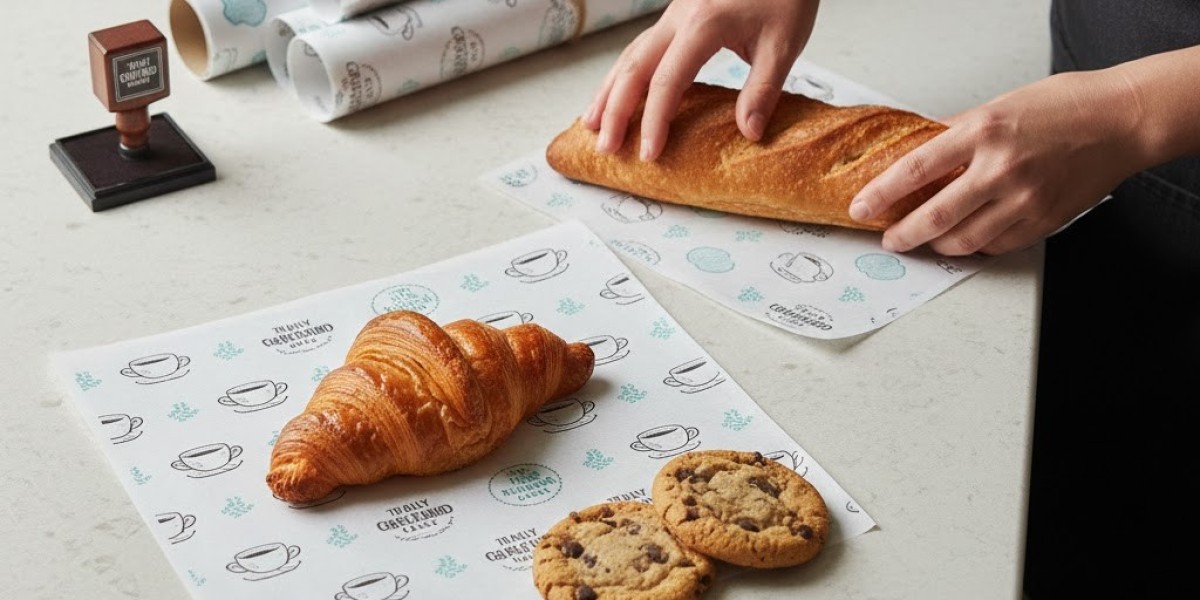
Hot food cooling into danger zone temperatures lets bacteria start growing on surfaces quickly. Customers expect fried foods served piping hot, not lukewarm or barely warm to touch. Cold fried items taste terrible because congealed fat coats the mouth unpleasantly while chewing happens. Temperature loss happens faster with small items like fries versus large pieces of chicken. Holding fried foods under heat lamps dries them out destroying moisture balance inside the coating. Printed greaseproof paper sheets help maintain temperature while preventing grease from making everything soggy underneath. Serving immediately after frying preserves both safety and quality customers paid money for.
Can Proper Draining Technique Really Extend How Long Fried Foods Stay Crispy?
Yes because removing excess oil prevents sogginess that ruins texture within just a few minutes. Shaking fried items over the fryer lets gravity pull oil downward away from surfaces. Wire cooling racks elevate food allowing air circulation underneath preventing steam trapping completely. Tilting baskets at angles drains better than laying them flat which pools oil. Double draining by moving items between different racks removes even more excess oil. Wax papers Hub creates specialized solutions helping restaurants maintain crispiness longer during busy service times. Fried Food Freshness lasts twice as long when draining removes oil properly immediately.
How Does Wrapping Choice Determine Whether Takeout Fried Foods Arrive Crispy or Soggy?
Sealed boxes trap steam creating a sauna effect that destroys crispiness before customers get home. Ventilated wrapping allows steam to escape, maintaining better texture during transport and delivery. Paper absorbs some oil while still allowing airflow unlike plastic that traps everything inside. Separating different fried items prevents them from steaming each other in confined spaces together. Overfilling boxes crushes items destroying coating texture even before steam damage happens later. Food Paper designed specifically for fried foods balances oil absorption with necessary air circulation. Smart wrapping preserves quality investment and restaurants make cooking food correctly from start to finish.
What Timing Factors Between Frying and Serving Cause Most Quality Loss Problems?
Every minute the fried food sits waiting for service loses crispiness that cannot be recovered. Peak crispiness lasts only two to three minutes after items leave hot oil. Coordinating frying with order timing prevents food from sitting getting worse while waiting. Batch sizes matching actual orders reduce waste from items that sit too long. Rush periods require multiple fryers working to avoid delays that ruin food quality. Training staff to communicate timing needs prevents kitchen and serving coordination failures happening. Fried Food Freshness requires treating time as an enemy that constantly works against your quality.
Why Should Fried Items Never Sit Directly on Solid Surfaces Before Serving?
Solid surfaces trap steam underneath creating wet spots that spread through the entire coating quickly. Heat transfer to cold plates pulls temperature down faster making food unappetizing to customers. Oil pooling under food gets reabsorbed making items greasier than when first removed. Wire racks or paper create air gaps letting steam escape instead of destroying texture. Even a few seconds on the wrong surface can damage a coating that took minutes to perfect. Proper landing spots for fried foods must be planned before frying even starts. Every surface touching fried items either helps or hurts final quality customers will judge.
What Common Serving Mistakes Ruin Otherwise Perfectly Fried Foods Before Customers Taste?
Covering fried foods with lids or foil traps steam destroying crispiness within just seconds. Letting items pile up waiting for complete orders means first pieces get soggy. Adding sauce too early makes the coating absorb liquid, losing all crunch before eating begins. Using wet or damp serving papers introduces moisture that breading immediately absorbs into coating. Holding fried foods in closed warming drawers creates humid conditions that kill texture completely. Serving fried and non-fried items touching on the same plate allows moisture transfer between. Fried Food Freshness dies from small careless moments that undo all careful cooking work.