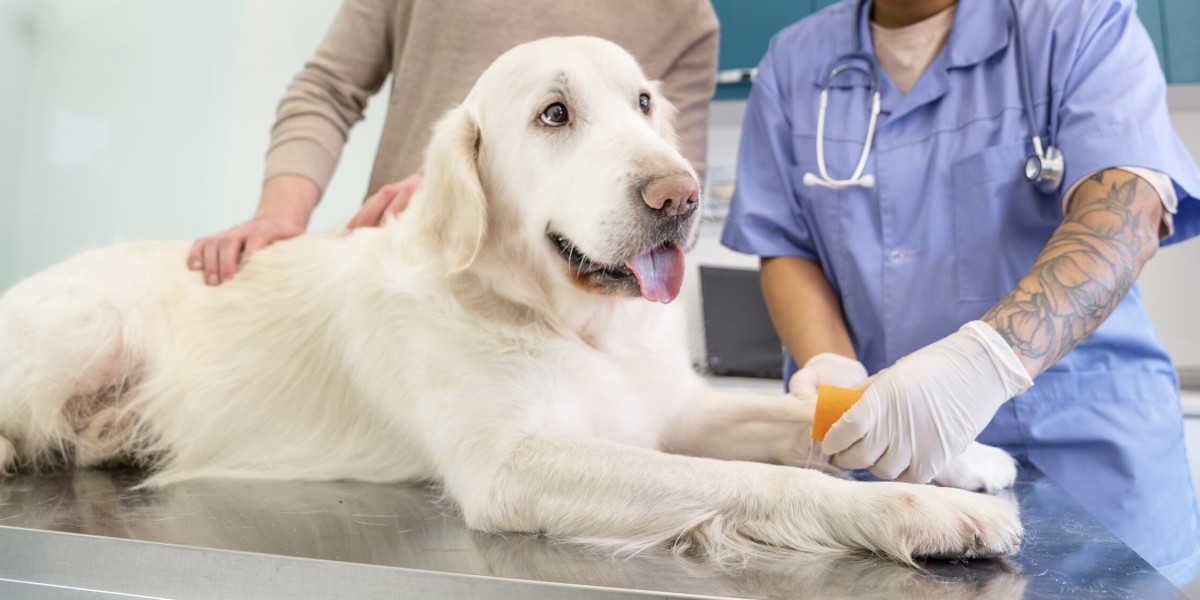

Surgery can be an overwhelming experience for both pets and their owners. Learning about dog abdominal surgery helps pet owners feel more prepared and confident during the process. These procedures address many internal conditions, ranging from foreign object removal to organ repair, and play an essential role in protecting your dog’s long-term health. With the right information and supportive guidance, you can help your pet recover safely and comfortably after surgery.
We focus on clear communication and compassionate care so pet owners know exactly what each procedure involves and how to support their dog throughout recovery.
Common Reasons Dogs Require Abdominal Surgery
Dogs may need abdominal surgery for several important medical reasons. These surgeries help diagnose problems, remove harmful obstructions, or correct internal conditions that affect long-term health. Understanding why abdominal surgery is recommended can help pet owners feel more prepared and confident during veterinary consultations.
1. Foreign Object Ingestion
Dogs are naturally curious, and many explore their environment through chewing or swallowing objects. Items like toys, socks, bones, or household materials can become lodged in the stomach or intestines, blocking normal movement of food and causing severe pain, vomiting, dehydration, or internal damage. When an obstruction cannot pass on its own, abdominal surgery becomes necessary to remove the foreign object and prevent life-threatening complications such as perforation or tissue death.
Early detection and prompt intervention greatly improve outcomes, making it essential for pet owners to seek veterinary care at the first signs of gastrointestinal distress.
2. Bladder Stones or Urinary Blockages
Bladder stones often form due to mineral imbalances, infections, diet, or genetic tendencies. These stones can irritate the bladder lining, cause blood in the urine, and make urination painful or difficult. In some cases, stones may obstruct the urinary tract entirely, turning a painful problem into a medical emergency. When medication or diet changes cannot dissolve the stones, abdominal surgery may be required to remove them safely.
This procedure restores normal bladder function, reduces discomfort, and helps prevent further damage. Long-term management often includes dietary adjustments, regular monitoring, and hydration support to minimize recurrence.
3. Abdominal Tumors or Masses
Tumors or abnormal growths inside the abdomen can develop in organs such as the spleen, liver, stomach, or intestines. These masses may be benign or malignant, but both types can cause significant health problems when they grow large or begin bleeding internally. Dogs may show vague symptoms like fatigue, reduced appetite, weight loss, or abdominal swelling.
When imaging tests reveal a suspicious mass, abdominal surgery is often recommended for tumor removal and biopsy. Eliminating the mass can relieve discomfort, prevent further complications, and provide clarity about the underlying condition. Timely surgery greatly improves comfort and long-term outlook.
4. Internal Organ Damage
Internal organ damage can occur due to trauma, infection, inflammation, or complications from underlying disease. Conditions such as ruptured spleens, torn intestinal tissue, or abscesses can cause rapid deterioration in a dog’s health. These situations typically require immediate abdominal surgery to repair or remove the affected tissue and stabilize the dog’s condition.
Symptoms may include weakness, abdominal pain, collapse, or pale gums. Surgery plays a critical role in preventing further blood loss, infection, or organ failure. Early veterinary intervention offers the best chance for recovery and helps ensure the dog receives the appropriate aftercare and monitoring.
5. Diagnostic Exploration for Unclear Symptoms
Sometimes dogs experience serious symptoms such as chronic vomiting, unexplained abdominal pain, sudden weight loss, or fluid buildup that cannot be fully explained through X-rays, ultrasounds, or blood tests. When non-invasive diagnostics cannot identify the underlying cause, exploratory abdominal surgery may be recommended.
This procedure allows the veterinarian to directly examine internal organs, take biopsies, remove abnormal tissue, or correct hidden issues. It is often the only way to diagnose conditions like gastrointestinal blockages, internal bleeding, or mysterious masses. Though more involved, exploratory surgery can be lifesaving by enabling precise, targeted treatment.
6. Reproductive-Related Conditions
Reproductive emergencies such as pyometra, a life-threatening uterine infection, require urgent abdominal surgery to prevent sepsis, organ failure, and death. Pyometra occurs when bacteria accumulate inside the uterus, causing it to fill with pus. Affected dogs may experience vomiting, fever, lethargy, or excessive thirst.
In males, undescended testicles or certain tumors may also require abdominal surgical intervention. These procedures remove the infected or abnormal reproductive tissue and stabilize the dog’s health. Because reproductive conditions can escalate quickly, early detection and prompt surgery offer the best chance for a full recovery and long-term wellbeing.
Navigating the Surgery Recovery Period
The time immediately following dog abdominal surgery is just as critical as the procedure itself. A successful surgery recovery hinges on attentive care, adherence to veterinary instructions, and keen observation on the part of the pet owner. Expect your dog to be groggy and potentially disoriented immediately after surgery due to anesthesia and pain medication. Providing a calm, quiet, and comfortable environment is paramount.
Managing Pain and Medication
Your veterinarian will prescribe pain medication to keep your dog comfortable during their surgery recovery. It’s crucial to administer these medications exactly as directed. Pain management is not just about comfort; it also aids in faster healing by reducing stress on the body. Never attempt to give your dog human pain relievers, as many are toxic to canines.
Antibiotics may also be prescribed, especially if there was an infection or a high risk of one. Complete the full course of antibiotics, even if your dog seems to be feeling better, to prevent antibiotic resistance and ensure complete eradication of potential pathogens.
Incision Site Care
The surgical incision is a delicate area that requires diligent care. Keep the incision clean and dry, and inspect it daily for any signs of infection, such as redness, swelling, discharge, or foul odor. An Elizabethan collar (e-collar) or a recovery suit will likely be necessary to prevent your dog from licking, biting, or scratching the incision, which can lead to infection or reopening of the wound. This simple preventative measure is vital for proper healing.
Restricting Activity
Activity restriction is perhaps one of the most challenging aspects of surgery recovery for an energetic dog. For several weeks post-surgery, strenuous activity, jumping, and running must be strictly limited. This allows internal and external sutures to heal properly and prevents strain on the surgical site. Short, leashed walks for potty breaks are usually permitted, but long walks or off-leash play are generally prohibited. Crate rest or confining your dog to a small, safe area can be beneficial.
Dietary Adjustments and Hydration
Depending on the type of dog abdominal surgery, specific dietary recommendations will be provided. This might include a bland diet for several days, slowly transitioning back to regular food. For some procedures, a long-term therapeutic diet might be necessary. Ensuring access to fresh water at all times is also crucial, as hydration supports overall healing and organ function. Gradually reintroducing food helps to prevent gastrointestinal upset.
Monitoring for Complications
As a responsible pet owner, continuous monitoring for potential complications is essential. Contact your veterinarian immediately if you observe any of the following during surgery recovery:
Excessive lethargy or weakness
Persistent vomiting or diarrhea
Lack of appetite or refusal to drink water
Difficulty breathing
Swelling, excessive redness, discharge, or heat around the incision site
Open or gapping incision
Uncontrolled pain despite medication
These signs can indicate a setback or a post-operative complication requiring immediate veterinary attention. Early detection is paramount for effective intervention.
Also check out this guide on Effective Post-Surgical Care for Dogs to Ensure Full Recovery.
Conclusion
Dog abdominal surgery covers a wide range of lifesaving and corrective procedures that help treat internal conditions and restore your pet’s comfort and wellbeing. Whether your dog needs foreign object removal, bladder stone treatment, or exploratory surgery, understanding the process and knowing what recovery involves allows you to support your pet confidently. With attentive monitoring, proper incision care, and guidance from your veterinarian, most dogs heal well and return to their normal routines.
If your dog has been recommended for abdominal surgery or you have concerns about their recovery, the team at Kainer Veterinary Hospital is here to support you with compassionate, experienced care every step of the way.
Contact us or call us at (936) 321-2000 to speak with our veterinary team and learn how we can help your dog heal comfortably and safely.