
In today’s fast-moving industrial world, speed, strength, and efficiency matter more than ever. Businesses need bonding solutions that are reliable, cost-effective, and environmentally friendly. That is where hot melt adhesives come in.
Hot melt adhesives have become one of the most preferred bonding technologies across multiple industries. From packaging boxes to furniture assembly and product labeling, these adhesives provide strong and instant bonding without the need for solvents or water.
At superbond, we specialize in delivering high-performance hot melt adhesives that meet the demanding needs of modern manufacturing and packaging industries.
What Are Hot Melt Adhesives?
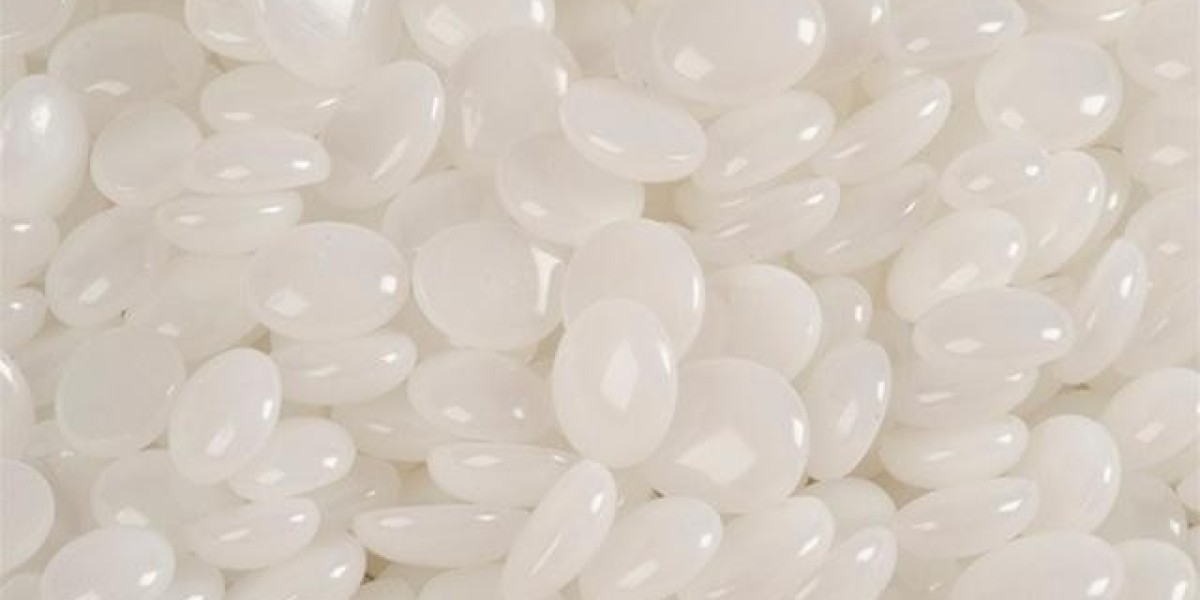
Hot melt adhesives (HMA) are thermoplastic materials that are solid at room temperature. When heated, they melt into a liquid form. Once applied to a surface and allowed to cool, they quickly solidify and create a strong bond.
Unlike solvent-based adhesives, hot melt adhesives do not require drying time. The bonding happens as soon as the adhesive cools down, which makes them ideal for high-speed production lines.
Basic Working Process:
Adhesive is heated in a melting unit.
It turns into liquid form.
Applied to substrate (paper, plastic, wood, fabric, etc.).
Cools down and solidifies.
Forms a strong bond instantly.
This simple process makes hot melt adhesives efficient and easy to use in automated systems.
Key Benefits of Hot Melt Adhesives
1. Fast Setting Time
Hot melt adhesives bond within seconds. This improves production speed and increases overall efficiency.
2. Strong Bonding Strength
They offer excellent adhesion to a wide range of materials such as cardboard, plastic, wood, foam, and metal.
3. Solvent-Free and Eco-Friendly
Since hot melt adhesives do not contain solvents, they produce no harmful emissions, making them environmentally safer.
4. Long Shelf Life
These adhesives are solid at room temperature, which allows for longer storage life without degradation.
5. Clean Application
They do not drip or cause excessive mess when used with proper equipment.
At superbond, our formulations are designed to provide consistent viscosity, strong tack, and high thermal stability.
Types of Hot Melt Adhesives
Different industries require different adhesive properties. Here are the most common types:
1. EVA (Ethylene Vinyl Acetate) Based Adhesives
These are widely used in packaging and bookbinding. They are cost-effective and provide good bonding strength.
2. Polyolefin Based Adhesives
These are known for excellent heat resistance and flexibility. Commonly used in automotive and product assembly.
3. Polyamide Based Adhesives
They provide strong chemical resistance and high-temperature performance.
4. Pressure Sensitive Hot Melt Adhesives
Used in labels, tapes, and hygiene products. They remain tacky after application and bond with light pressure.
At superbond, we manufacture a wide range of hot melt adhesives tailored to various industry needs.
Applications of Hot Melt Adhesives
Hot melt adhesives are used across many industries due to their versatility.
1. Packaging Industry
One of the largest users of hot melt adhesives. Used for:
Carton sealing
Case sealing
Tray forming
Labeling
They provide strong bonds that hold during transport and storage.
2. Woodworking and Furniture
Used for:
Edge banding
Lamination
Profile wrapping
Furniture assembly
Hot melt adhesives provide clean finishing and durable bonding.
3. Automotive Industry
Used in:
Interior panel bonding
Headliner assembly
Wire harness fixing
They offer vibration resistance and flexibility.
4. Textile and Hygiene Products
Used in:
Diapers
Sanitary napkins
Mattress assembly
Fabric bonding
Hot melt adhesives provide comfort, flexibility, and durability.
5. Electronics
Used for:
Component fixing
Insulation
Wire tacking
They provide quick bonding without damaging sensitive parts.
Why Industries Prefer Hot Melt Adhesives
Industries prefer hot melt adhesives because they reduce downtime and increase productivity. Since there is no drying or curing time, production lines can operate continuously without interruption.
Additionally, hot melt adhesives reduce waste and improve cost efficiency. The controlled application ensures minimal material loss.
Another key reason is worker safety. Since these adhesives are solvent-free, there are fewer health risks compared to traditional solvent-based adhesives.
Factors to Consider When Choosing Hot Melt Adhesives
Selecting the right adhesive is important for performance and durability. Consider the following:
1. Substrate Type
Different materials require different bonding strengths.
2. Operating Temperature
The adhesive should withstand the environmental temperature conditions.
3. Open Time
The time available to position materials before the adhesive sets.
4. Viscosity
Proper viscosity ensures smooth flow and controlled application.
5. End-Use Requirements
Load-bearing capacity, flexibility, and resistance to moisture or chemicals.
At superbond, our technical team helps customers choose the right hot melt adhesive based on specific application needs.
Advantages of Choosing superbond
When it comes to industrial adhesives, quality and consistency are critical. At superbond, we focus on:
High bonding strength
Stable performance under temperature variation
Custom formulations for industry-specific applications
Competitive pricing
Reliable supply chain
Our hot melt adhesives are manufactured under strict quality standards to ensure consistent performance in every batch.
Future of Hot Melt Adhesives
The demand for hot melt adhesives is growing due to increased automation and sustainable manufacturing practices. Industries are moving toward eco-friendly and high-speed bonding solutions.
New advancements include:
Bio-based hot melt adhesives
Low-temperature application adhesives
High-performance formulations for specialized industries
As industries evolve, superbond continues to innovate and develop advanced adhesive solutions that meet modern demands.
Conclusion
Hot melt adhesives have transformed the way industries bond materials. Their fast setting time, strong bonding strength, eco-friendly nature, and versatility make them a preferred choice across packaging, woodworking, automotive, textile, and electronics industries.
Choosing the right adhesive partner is just as important as choosing the right product. With advanced formulations, technical expertise, and a commitment to quality, superbond delivers reliable and efficient hot melt adhesive solutions for diverse industrial needs.
If you are looking for high-performance hot melt adhesives that improve productivity and ensure durability, superbond is your trusted partner.