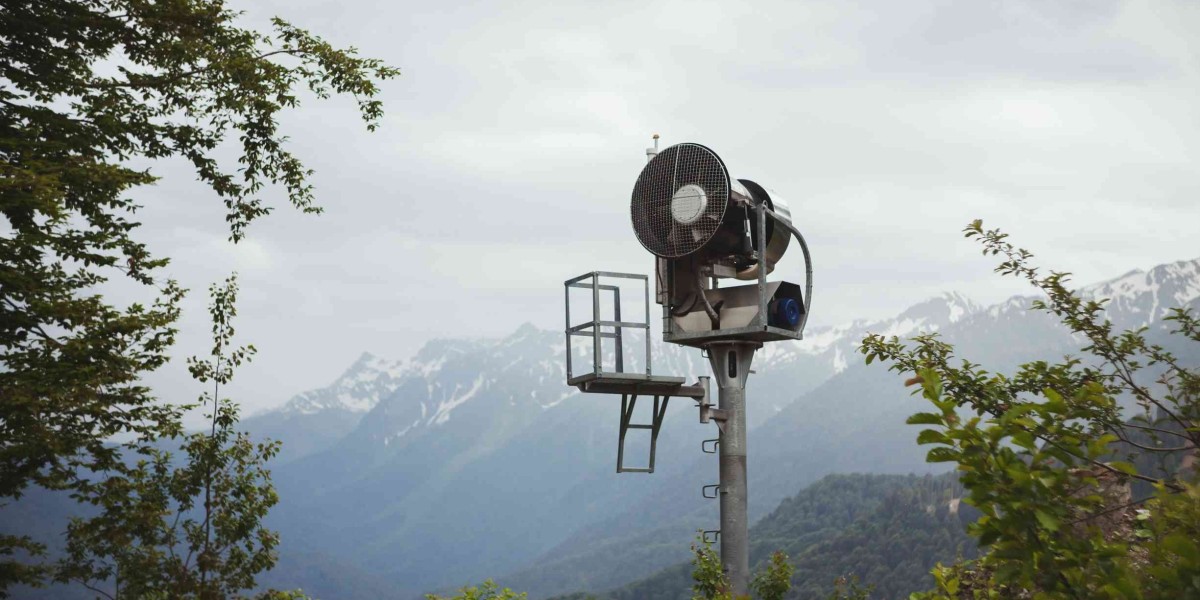

Aviation is an industry built on precision. From the angle of takeoff to the timing of descent, every phase of flight is meticulously planned and executed. However, one variable remains stubbornly unpredictable: the weather. Fog can roll in unexpectedly, wind can shift in an instant, and visibility can drop to zero in minutes. For pilots, having accurate, up-to-the-minute weather information isn't just a convenience; it's a matter of life and death.
This is where automated weather stations play a critical role. These systems provide a constant stream of reliable data directly from the airfield, giving pilots and air traffic controllers the real-time intelligence they need to make safe decisions. Instead of relying on regional forecasts that may not reflect the microclimate of an airport, they get data from the runway itself.
One of the most crucial technologies in this field is the Automated Weather Observing System. This sophisticated suite of sensors acts as a robotic meteorologist, working 24/7 to measure, process, and broadcast essential weather parameters. Its sole purpose is to provide a precise snapshot of the current conditions where they matter most: on and around the airport.
This article will explain what an AWOS is, break down its essential components, and explore how it delivers the critical information that keeps modern aviation moving safely. We will look at the different levels of AWOS and understand why this technology is a cornerstone of airport operations around the world.
The Core Function of an AWOS
The primary job of an AWOS is to automatically collect weather data, format it into a report, and broadcast it to pilots and ground personnel. This process happens continuously, with updates often occurring as frequently as once per minute. The system is designed to be highly reliable and operate with minimal human intervention.
Unlike human weather observers, an AWOS never gets tired, never takes a break, and provides consistent data regardless of the time of day or severity of the weather. This continuous monitoring is vital for capturing sudden changes in conditions, such as a rapid drop in visibility or a sudden wind shear event, that could pose an immediate threat to an aircraft that is landing or taking off.
The Key Components of an AWOS
An AWOS is not a single instrument but a collection of specialized sensors connected to a central processing unit. Each sensor is responsible for measuring a specific atmospheric condition.
Anemometer (Wind Speed and Direction)
Usually mounted on a tall mast to avoid ground interference, the anemometer measures both wind speed and direction. Modern systems often use ultrasonic sensors, which have no moving parts and are more reliable in icy conditions. This data is critical for determining which runway to use, as planes must take off and land into the wind.
Ceilometer (Cloud Height and Coverage)
A ceilometer is a laser-based instrument that points straight up into the sky. It sends out a beam of light and measures the time it takes for the light to reflect off the base of the clouds. This allows it to calculate the height of the cloud ceiling with great accuracy. It can detect multiple cloud layers and reports on conditions like "scattered," "broken," or "overcast."
Visibility Sensor
This sensor measures how far one can see horizontally. It works by sending a beam of infrared light from a transmitter to a receiver over a short, known distance. The sensor calculates how much light is scattered or absorbed by particles like fog, rain, or dust in the air. From this, it extrapolates the runway visual range (RVR), a critical piece of information for pilots during low-visibility approaches.
Barometric Pressure Sensor (Altimeter Setting)
This sensor measures the atmospheric pressure. This reading is broadcast as the "altimeter setting," which pilots use to calibrate their altimeters. An incorrect altimeter setting can cause a pilot to think they are higher or lower than they actually are, which is extremely dangerous during an instrument approach.
Temperature and Dew Point Sensors
These sensors provide the current air temperature and dew point. The difference between these two values indicates the humidity level. When the temperature and dew point are close together, it is a strong indicator that fog or low clouds are likely to form. This data is also used to calculate density altitude, which affects aircraft performance.
Precipitation Sensor
This sensor can detect the presence of rain, snow, or other forms of precipitation. More advanced systems can also measure the intensity of the precipitation (light, moderate, or heavy) and differentiate between liquid and frozen precipitation.
Levels of AWOS Service
Not all airports have the same needs, so AWOS systems come in different configurations, or levels. These levels are defined by the types of data they provide.
- AWOS A: This is the most basic level, providing only the altimeter setting.
- AWOS I: This level includes the altimeter setting plus wind speed, direction, temperature, and dew point.
- AWOS II: This level adds visibility data to the AWOS I parameters.
- AWOS III: This is the most common full-service system. It provides all the data of an AWOS II plus cloud height and coverage information.
- AWOS III P/T: This advanced level adds a precipitation discriminator (to identify the type of precipitation) and a thunderstorm/lightning detector.
- AWOS IV: The highest level of service, these systems include all the above sensors plus additional ones for freezing rain, runway surface conditions, and more.
How the Information is Delivered
Once the AWOS collects and processes the data, it needs to get that information to the users. This is typically done in several ways:
- Automated Radio Broadcast: The most common method is a computer-generated voice broadcast over a dedicated radio frequency, such as an airport's ATIS (Automatic Terminal Information Service). Pilots can tune in before they approach the airport to get the latest weather.
- Digital Data Link: The data is sent directly to air traffic control displays and can also be transmitted to aircraft equipped with data link services (ACARS).
- Telephone and Internet: Many AWOS systems have a dedicated phone number that pilots can call to hear the latest report. The data is also often published online through various aviation weather websites.
The standardized format of an AWOS report makes it quick and easy for pilots to understand. A typical broadcast might sound something like this: "Robinsville Airport, automated weather observation, one four five five zulu. Wind two one zero at one five. Visibility one zero. Sky clear. Temperature two five, dew point one niner. Altimeter three zero zero one."
Conclusion: A Cornerstone of Aviation Safety
The Automated Weather Observing System is a quiet but essential hero of modern aviation. It provides a constant, reliable stream of data that is fundamental to the safety and efficiency of airport operations. By giving pilots and air traffic controllers a precise, real-time view of atmospheric conditions, it empowers them to make informed decisions that protect passengers and crew.
The continued development and deployment of these systems are a key focus for aviation authorities worldwide. As technology improves, these systems will become even more accurate and capable of detecting a wider range of weather phenomena. For disciplines like airport engineering Qatar, integrating the most advanced AWOS technology is a critical part of designing and operating world-class airports that can function safely in challenging weather environments. From a single-runway regional airport to a massive international hub, the humble AWOS is on duty, keeping a watchful eye on the sky.