
When a tooth undergoes a root canal, it enters a new phase of its life. The intricate internal treatment addresses infection and saves the natural structure from extraction. However, this process leaves the tooth more fragile than before. This is where restorative dentistry steps in with solutions Dental Crowns and Bridges in Dubai, specifically designed to protect and utilize these treated teeth. Understanding how these restorations work can help anyone feel more confident about preserving their smile for years to come.
The Importance of Protecting a Root Canal Treated Tooth
A tooth that has received root canal therapy is essentially hollowed out. The pulp, which contains nerves and blood vessels, has been removed to eliminate pain and infection. While this saves the tooth, it also compromises its structural integrity. The walls of the tooth can become brittle over time, making them susceptible to cracking or fracturing under the normal pressure of chewing. Without proper protection, a tooth that was just saved could be lost.
Furthermore, the tooth may also become discolored over time. Placing a restoration like a crown not only shields it from breakage but also restores its natural appearance. It seals the tooth from bacteria, preventing future decay or contamination at the root canal site. Essentially, a crown acts as a sturdy helmet, encasing the entire visible portion of the tooth and distributing biting forces evenly.
Dental Crowns: A Custom Fit for Individual Teeth
A dental crown is a custom-made cap that fits over the entire tooth. For a tooth that has had a root canal, this is the most common and recommended restoration.
How Crowns Work with Root Canals
After the root canal procedure is complete and the area has healed, the dentist will prepare the tooth by shaping it slightly to make room for the crown. An impression is taken to ensure the crown fits perfectly with the opposing teeth and the neighboring ones. The crown is then cemented into place, covering the tooth down to the gum line. This creates a sealed, durable unit that functions just like a natural tooth. The patient can bite and chew normally without worrying about damaging the underlying tooth structure.
Materials Used for Crowns
Crowns can be crafted from several types of materials, each offering different benefits. Porcelain or ceramic crowns are popular for their natural tooth-like color, making them ideal for front teeth. They blend seamlessly with the rest of the smile. For teeth that endure heavier chewing, such as molars, porcelain-fused-to-metal crowns offer a strong bond with the aesthetic benefit of a tooth-colored exterior. Some individuals prefer all-metal crowns, like gold or other alloys, which are incredibly strong and wear-resistant, though they are more noticeable. The choice of material often depends on the location of the tooth and personal preference for aesthetics versus strength.
Dental Bridges: Filling the Gap
Sometimes, a tooth is too damaged to be saved, even with a root canal, and must be extracted. When a tooth is missing, the surrounding teeth can shift out of alignment, leading to bite problems and further tooth loss. A dental bridge is an excellent solution to fill this gap, and it often utilizes the teeth adjacent to the space for support.
How Bridges Utilize Root Canal Treated Teeth
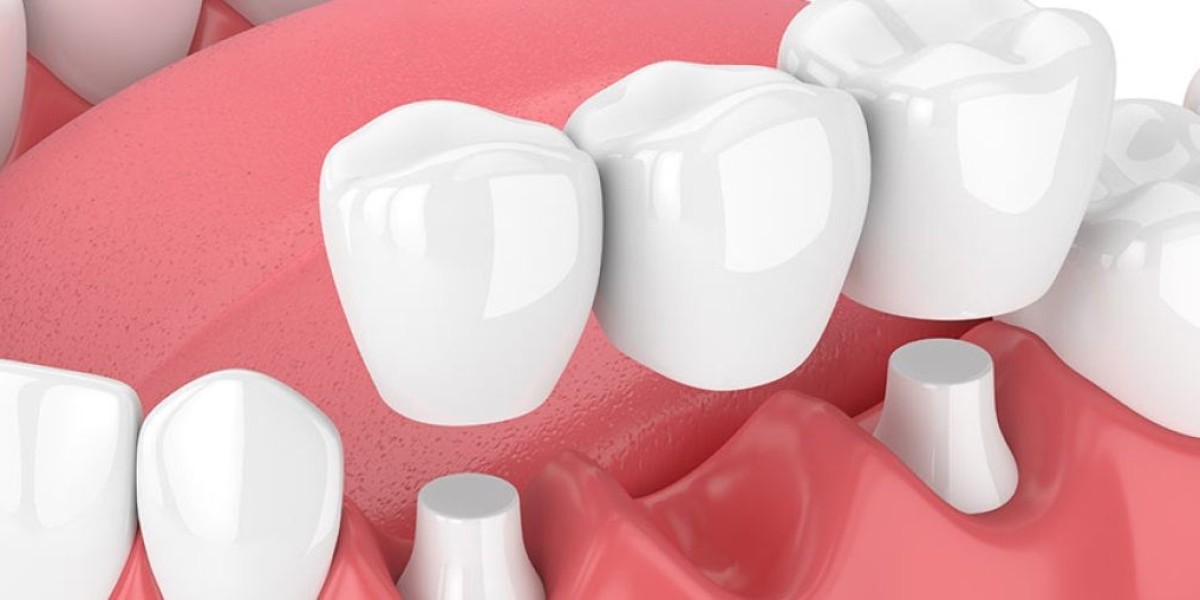
A traditional bridge consists of one or more artificial teeth (called pontics) held in place by dental crowns on the adjacent teeth. These adjacent teeth, known as abutment teeth, are prepared and crowned to serve as anchors. Interestingly, these abutment teeth may or may not have had root canals themselves. If a neighboring tooth already has a root canal, it is still perfectly capable of supporting a bridge crown. In fact, placing a crown on a root canal treated tooth as part of a bridge provides it with the same protective benefits it would receive from a standalone crown. This approach allows the dentist to replace a missing tooth without the need for a partial denture or dental implant, using the existing, healthy (or treated) teeth as stable foundations.
The Structure of a Bridge
The bridge is a single, fixed unit. The crowns on either end are cemented onto the prepared abutment teeth, and the pontic in the middle floats above the gum line, restoring the full arch of the smile. This restores chewing function and prevents the remaining teeth from drifting. It also helps maintain the shape of the face and the proper alignment of the jaw.
The Process of Getting Crowns and Bridges
Receiving a crown or bridge usually requires at least two visits to the dentist. During the first visit, the teeth are prepared. For a crown, the single tooth is shaped. For a bridge, the abutment teeth on both sides of the gap are shaped. Impressions are taken of the prepared teeth and the opposing teeth to ensure a proper bite. A temporary crown or bridge is placed to protect the exposed teeth while the permanent restoration is being crafted in a dental laboratory.
On the second visit, the temporary restoration is removed. The new permanent crown or bridge is tried in to check the fit, color, and bite. Once everything is perfect, it is permanently cemented into place. The patient leaves with a fully restored, functional, and natural-looking smile.
Longevity and Care
With proper care, crowns and bridges on root canal treated teeth can last for many years, often a decade or more. While the restoration itself cannot decay, the tooth structure underneath the crown at the gum line is still vulnerable to gum disease and cavities. Therefore, Enfield Royal Clinic Dubai maintains excellent oral hygiene is essential. Regular brushing and flossing, including careful cleaning around the gum line and under the pontic of a bridge, will keep the surrounding tissues healthy and ensure the longevity of the restoration.
Frequently Asked Questions
Can any tooth that has had a root canal get a crown?
In most cases, yes. Teeth that have undergone root canal therapy are prime candidates for crowns because they need the extra support. However, there must be enough healthy tooth structure remaining above the gum line to hold the crown in place. If the tooth is broken off at the gum line, additional procedures may be needed to build it up before a crown can be placed.
Is getting a crown on a root canal tooth painful?
The procedure for placing a crown is generally not painful. The tooth and surrounding area are numbed with local anesthesia during the preparation appointment. Since the tooth has had a root canal, the nerve is no longer present, so sensitivity is usually minimal. Some patients might experience slight gum tenderness after the procedure, which subsides quickly.
How long does a dental bridge last when supported by root canal teeth?
With diligent oral hygiene and regular dental check-ups, a well-made dental bridge can last between ten and fifteen years, and sometimes longer. The longevity depends on how well the supporting teeth and gums are maintained. Keeping the abutment teeth healthy is the key to the bridge's lifespan.
What happens if a crowned root canal tooth breaks?
If a crowned tooth breaks, it is important to see a dentist promptly. Sometimes the crown itself may chip or come loose, which can often be repaired or recemented. If the underlying tooth structure breaks, the situation is more complex. The dentist will evaluate the damage to determine if the tooth can be saved with a new crown or if extraction is necessary.
Do root canal treated teeth look different under a crown?
The crown itself determines the appearance. Since the crown covers the entire tooth, any discoloration of the tooth underneath is completely hidden. The crown is designed to match the color, shape, and size of the surrounding natural teeth, ensuring a seamless and attractive smile.