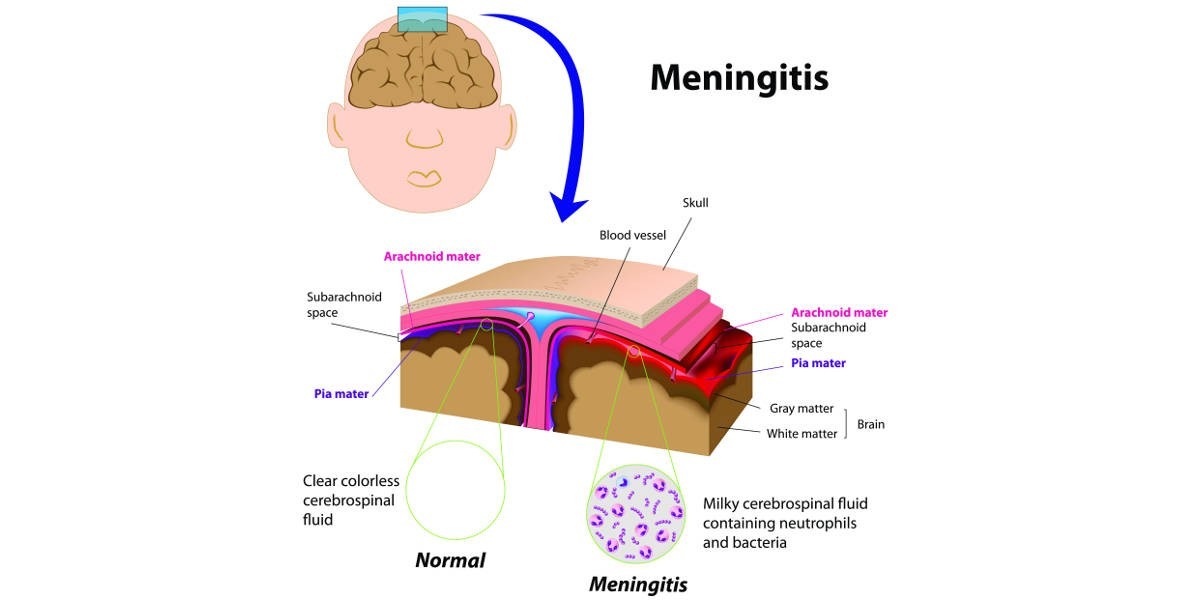

Meningitis is a serious medical condition that can progress rapidly and become life-threatening if not treated promptly. It refers to inflammation of the meninges the protective membranes covering the brain and spinal cord. One of the most common questions people ask is: Is meningitis contagious? The answer depends on the type of meningitis involved.
In this comprehensive guide, we’ll break down the different types of meningitis, how they spread, symptoms to watch for, available treatments, and preventive measures you should consider.
What Causes Meningitis?
Meningitis can be caused by infections or non-infectious conditions. The major types include:
Bacterial meningitis
Viral meningitis
Fungal meningitis
Parasitic meningitis
Non-infectious meningitis (due to autoimmune disorders, cancer, medications, or injury)
Each type differs significantly in severity, contagiousness, and treatment approach.
Is Bacterial Meningitis Contagious?
Yes, certain forms of bacterial meningitis are contagious.
The most common bacterial causes include:
Neisseria meningitidis
Streptococcus pneumoniae
Haemophilus influenzae
Among these, Neisseria meningitidis is particularly contagious and can lead to outbreaks, especially in crowded settings like college dormitories, military barracks, or daycare centers.
How it Spreads
Bacterial meningitis spreads through
Respiratory droplets (coughing or sneezing)
Close personal contact (kissing)
Sharing utensils, drinks, or cigarettes
Living in close quarters
It does not spread through casual contact like shaking hands or passing someone in a hallway.
Risk Factors
Infants and young children
Teenagers and young adults
Individuals with weakened immune systems
People living in crowded environments
Bacterial meningitis is a medical emergency and requires immediate hospitalization and intravenous antibiotics. Third-generation cephalosporins such as ceftriaxone are widely used as first-line therapy. Hospitals and healthcare facilities often rely on a certified ceftriaxone injection supplier to ensure a steady and quality-assured supply of this life-saving antibiotic.
Is Viral Meningitis Contagious?
Yes, viral meningitis is contagious, but it is generally less severe than bacterial meningitis.
Common viral causes include:
Enterovirus
Herpes simplex virus
Varicella-zoster virus
Transmission
Viral meningitis spreads through:
Fecal-oral route (especially enteroviruses)
Respiratory secretions
Direct contact with infected individuals
Many people infected with these viruses may only experience mild flu-like symptoms, but in some cases, the infection spreads to the meninges.
Severity
Most cases resolve without specific treatment within 7–10 days. Hospitalization may still be required for observation, especially in infants, elderly individuals, or immunocompromised patients.
Is Fungal or Parasitic Meningitis Contagious?
Fungal meningitis is generally not contagious. It usually occurs when fungi from the environment enter the bloodstream and spread to the brain, particularly in people with weakened immune systems.
A known fungal cause includes:
Cryptococcus neoformans
Parasitic meningitis is also rare and typically not spread person-to-person. It may occur after consuming contaminated food or exposure to infected animals.
What Are the Symptoms of Meningitis?
Regardless of the cause, meningitis often presents with similar symptoms. Early recognition is crucial.
Common Symptoms in Adults
Sudden high fever
Severe headache
Stiff neck
Nausea and vomiting
Sensitivity to light (photophobia)
Confusion or difficulty concentrating
Seizures (in severe cases)
Symptoms in Infants
Bulging soft spot (fontanelle)
Poor feeding
Irritability
High-pitched crying
Lethargy
Symptoms can escalate rapidly in bacterial meningitis, sometimes within hours.
How Is Meningitis Diagnosed?
Diagnosis typically involves:
Physical examination
Blood tests
Lumbar puncture (spinal tap)
Imaging studies (CT or MRI if needed)
A lumbar puncture allows analysis of cerebrospinal fluid (CSF), which helps determine whether the infection is bacterial, viral, or fungal.
Treatment Options
Bacterial Meningitis
Immediate intravenous antibiotics are critical. Ceftriaxone is one of the most commonly used broad-spectrum antibiotics in emergency treatment protocols. Healthcare institutions often partner with a reliable ceftriaxone injection supplier to ensure timely access to this essential medication, particularly during outbreaks or high-demand periods.
Adjunct treatments may include:
Corticosteroids to reduce inflammation
IV fluids
Oxygen therapy
Anticonvulsants if seizures occur
Early treatment significantly reduces mortality and long-term complications.
Viral Meningitis
Treatment is mainly supportive:
Rest
Hydration
Pain relievers
Antiviral medications in specific cases (e.g., herpes virus infections)
Fungal Meningitis
Requires long-term antifungal medications, often administered intravenously.
Complications of Meningitis
Even with treatment, meningitis can lead to serious complications, including
Hearing loss
Brain damage
Learning disabilities
Seizures
Kidney failure
Shock
Prompt medical intervention is essential to reduce these risks.
Can Meningitis Be Prevented?
Vaccination
Vaccines are highly effective in preventing certain types of bacterial meningitis. Key vaccines protect against:
Neisseria meningitidis
Streptococcus pneumoniae
Haemophilus influenzae
Vaccination is recommended for:
Infants and children
Adolescents
College students
Travelers to high-risk regions
Individuals with certain medical conditions
Hygiene Practices
Wash hands regularly
Avoid sharing personal items
Cover mouth when coughing or sneezing
Maintain good overall health
Preventive Antibiotics
Close contacts of someone diagnosed with bacterial meningitis may be prescribed prophylactic antibiotics to reduce transmission risk.
When Should You Seek Medical Attention?
Seek emergency care immediately if you or someone you know experiences:
Sudden high fever with stiff neck
Severe headache unlike any previous headache
Confusion or altered mental status
Seizures
Rash that does not fade when pressed (possible meningococcal infection)
Time is critical. Early intervention can be life-saving.
Final Thoughts
So, is meningitis contagious? The answer varies by type. Bacterial and viral meningitis can be contagious, while fungal and parasitic forms typically are not. Among the contagious types, bacterial meningitis poses the greatest risk due to its rapid progression and potential severity.
Understanding the symptoms, transmission routes, and prevention strategies is vital. Vaccination, good hygiene, and early medical care are your best defenses. In healthcare settings, access to essential antibiotics through a dependable ceftriaxone injection supplier plays a crucial role in managing and controlling bacterial meningitis effectively.
If you suspect meningitis, do not delay seeking medical help. Prompt diagnosis and treatment can make all the difference between full recovery and serious complications.