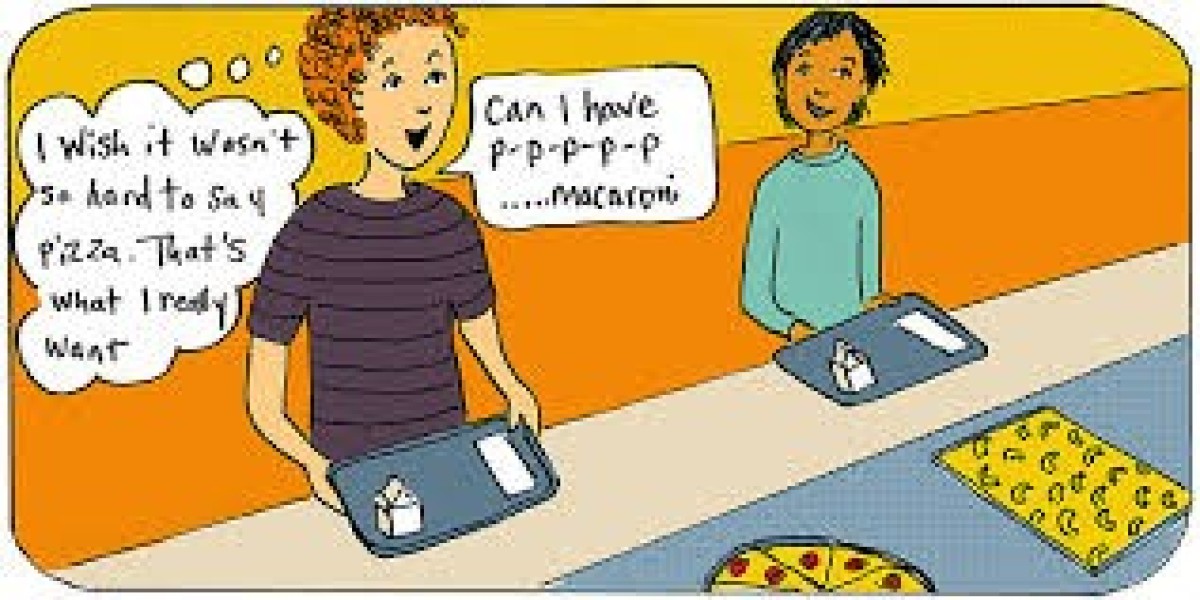

Communication is one of the most powerful tools we have. It allows us to express ideas, build relationships, and connect with the world. However, for individuals living with Stuttering Disorder, speaking can feel frustrating, stressful, and sometimes overwhelming.
Stuttering is more than just repeating words. It is a speech fluency disorder that affects the smooth flow of speech. While many people may occasionally hesitate or repeat a word, stuttering involves frequent and noticeable disruptions in speech that can interfere with daily communication.
In this article, we’ll explore what stuttering disorder is, its causes, early signs, emotional impact, and most importantly, how professional therapy can make a life-changing difference.
What Is Stuttering Disorder?
Stuttering Disorder is a speech condition in which a person experiences involuntary interruptions in the flow of speech. These disruptions may include:
Repeating sounds, syllables, or words
Prolonging sounds (e.g., “sssssun”)
Blocking (pauses where no sound comes out)
Struggling to start a word
Stuttering often begins in early childhood, usually between ages 2 and 6, when language skills are rapidly developing. While some children outgrow it naturally, others continue to stutter into adolescence and adulthood.
Importantly, stuttering is not caused by low intelligence, lack of effort, or nervousness alone. It is a neurological speech disorder that requires understanding and appropriate intervention.
Types of Stuttering
Understanding the type of stuttering helps in selecting the right treatment approach.
1. Developmental Stuttering
This is the most common type and occurs in young children while learning language and speech skills.
2. Neurogenic Stuttering
This happens after brain injury, stroke, or neurological conditions that affect speech control.
3. Psychogenic Stuttering
This is rare and linked to emotional trauma or psychological stress.
Most cases seen in therapy settings involve developmental stuttering.
What Causes Stuttering Disorder?
There is no single cause of stuttering. Instead, it results from a combination of factors:
1. Genetics
Research shows that stuttering can run in families. If a close family member stutters, the child may have a higher risk.
2. Brain Differences
Brain imaging studies reveal differences in how people who stutter process speech and language.
3. Speech Motor Control
Stuttering may be related to challenges in coordinating the muscles used for speech.
4. Environmental Factors
High-pressure communication environments or rapid language development may contribute, but they are not the root cause.
Understanding these factors helps parents avoid guilt and focus on supportive strategies.
Early Signs of Stuttering in Children
Early identification is crucial. Watch for these signs:
Frequent repetition of sounds or syllables
Prolonged sounds
Visible tension while speaking
Avoidance of certain words
Frustration during conversations
If these behaviors persist for more than 3–6 months or worsen over time, professional evaluation is recommended.
Emotional and Social Impact
Stuttering does not only affect speech. It can deeply impact emotional well-being.
Children may:
Avoid speaking in class
Feel embarrassed or anxious
Withdraw socially
Adults may:
Avoid job interviews
Fear public speaking
Experience reduced self-confidence
Over time, negative speaking experiences can lead to communication anxiety. Therefore, therapy focuses not only on speech techniques but also on building confidence.
When Should You Seek Help?
It’s best to consult a speech-language pathologist if:
Stuttering lasts longer than six months
The child shows tension or struggle while speaking
There is a family history of stuttering
The child avoids speaking situations
Early intervention significantly improves outcomes.
How Speech Therapy Helps
Speech therapy is the most effective treatment for stuttering disorder. A structured therapy program includes:
1. Fluency Shaping Techniques
These methods teach smoother speech patterns through:
Slow and controlled speaking
Gentle voice onset
Smooth transitions between words
2. Stuttering Modification
Instead of eliminating stuttering completely, this approach helps reduce struggle and tension.
3. Breathing Techniques
Controlled breathing improves speech rhythm and reduces blocks.
4. Cognitive-Behavioral Strategies
Therapists work on reducing fear and anxiety related to speaking.
At Kickstart Therapy, individualized programs are designed to address both speech mechanics and emotional confidence.
Therapy for Children vs Adults
Children
Therapy focuses on:
Parent involvement
Play-based activities
Encouraging relaxed speaking
Adults
Treatment may include:
Advanced fluency techniques
Public speaking practice
Anxiety management strategies
Each therapy plan is tailored to individual needs.
Role of Parents in Supporting a Child
Parents play a vital role in improvement. Here are some supportive strategies:
Speak slowly and calmly
Maintain eye contact
Avoid interrupting
Give the child time to finish sentences
Praise effort, not fluency
Most importantly, create a pressure-free speaking environment.
Myths About Stuttering Disorder
Let’s clear up common misconceptions:
Myth 1: Stuttering is caused by nervousness.
Fact: Nervousness may increase stuttering, but it does not cause it.
Myth 2: People who stutter are less intelligent.
Fact: Intelligence has no connection to stuttering.
Myth 3: Telling someone to “slow down” will fix it.
Fact: Stuttering requires professional guidance.
Education reduces stigma and promotes understanding.
Long-Term Outlook
The prognosis for stuttering depends on:
Age of onset
Duration of symptoms
Family history
Early intervention
Many children recover completely with therapy. Adults can also achieve significant improvement and speak confidently with structured support.
Although stuttering may not disappear entirely in some cases, therapy helps individuals communicate effectively without fear.
Benefits of Early Intervention
Starting therapy early offers several advantages:
Prevents negative emotional impact
Improves communication confidence
Reduces severity
Enhances social participation
The earlier the support begins, the better the outcome.
Building Confidence Beyond Speech
Successful therapy goes beyond fluency. It helps individuals:
Speak in meetings confidently
Participate in classroom discussions
Make social connections
Express thoughts without hesitation
Communication is empowerment. With the right guidance, individuals can thrive academically, socially, and professionally.
Why Choose Professional Support?
Online tips and self-help strategies can provide temporary relief. However, professional speech therapy ensures:
Accurate diagnosis
Customized treatment plans
Evidence-based techniques
Continuous monitoring and progress tracking
Choosing the right therapy center makes a significant difference in long-term success.
Conclusion
Living with Stuttering Disorder can feel challenging, but it does not have to limit your potential. With early identification, supportive environments, and professional speech therapy, individuals can develop smoother speech and stronger self-confidence.
Whether you are a parent concerned about your child or an adult seeking improvement, taking the first step toward therapy can transform communication experiences. Speech is not about perfection — it’s about connection. And everyone deserves to be heard clearly and confidently.