
Are your polarization measurements inconsistent or showing unclear interference patterns? Many laboratories and optical engineers face unstable testing results when analyzing birefringent materials, LCD panels, or crystal samples. The issue is often not the light source or detector — it is the optical component responsible for angular imaging.
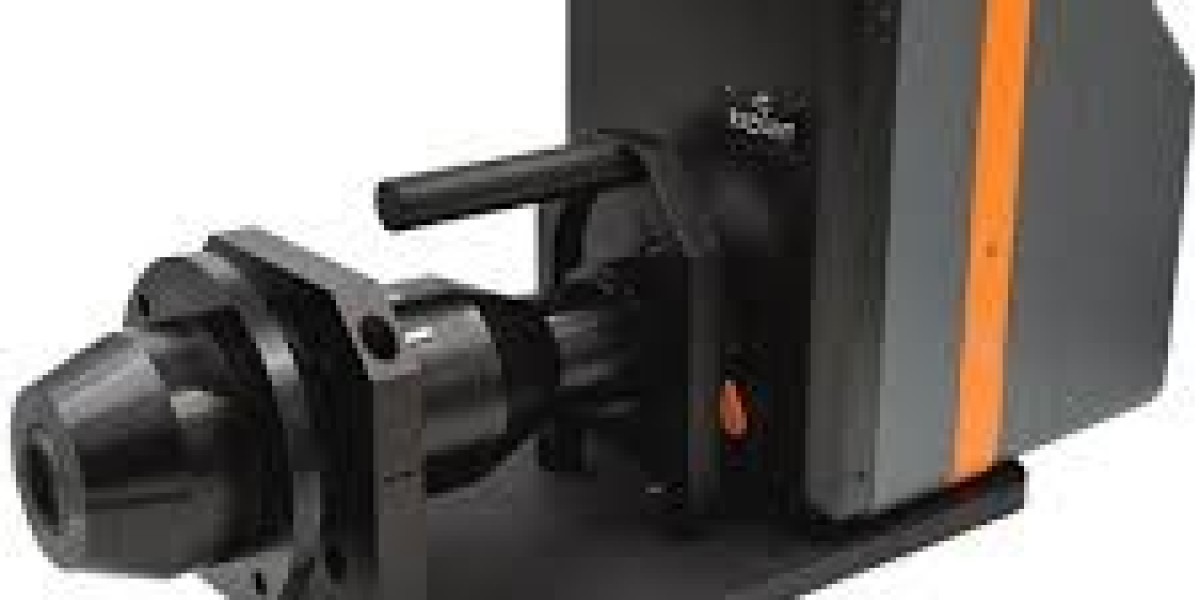
A high-precision conoscope lens plays a critical role in conoscopic observation and polarization analysis. If the lens quality, alignment, or design is not correct, the resulting interference figures may appear distorted or incomplete. Choosing the right optical solution ensures accurate angular distribution imaging and reliable testing performance.
Common Problems in Polarization and Crystal Testing
Blurred Interference Patterns
In conoscopic imaging, sharp interference patterns are essential for accurate material analysis. If the optical system produces blurred or stretched figures, it becomes difficult to evaluate birefringence or optical axis orientation.
A precision-engineered conoscope lens ensures accurate angular mapping of transmitted light. This improves clarity and sharpness in polarization testing systems.
Uneven Light Distribution
Another common issue is non-uniform brightness across the observation field. This can lead to misinterpretation of optical characteristics.
High-quality conoscope lenses are designed to maintain even light intensity and proper focal alignment. This ensures consistent imaging results across the entire field of view.
Why Standard Optical Lenses Cannot Replace a Conoscope Lens
Limited Angular Collection
Traditional imaging lenses are optimized for direct image formation, not angular light distribution analysis. In polarization systems, capturing the full angular spectrum is essential.
A dedicated conoscope lens is specifically designed to project the back focal plane and display interference figures accurately. This makes it ideal for LCD inspection, crystal alignment, and material stress testing.
Inaccurate Optical Axis Detection
In crystal analysis, even small angular deviations can cause incorrect readings. Standard lenses cannot precisely map the optical axis or provide the correct conoscopic image.
Using a specialized conoscope lens ensures precise angular resolution and accurate visualization of birefringent properties.
How a High-Quality Conoscope Lens Improves Measurement Accuracy
High Angular Resolution
A well-designed conoscope lens captures a wide angular field while maintaining sharp image quality. This enables better visualization of interference rings and isogyres in polarized light systems.
Higher angular resolution means more reliable data interpretation and reduced measurement error.
Improved Optical Clarity
Optical-grade glass materials with precision polishing improve light transmission and reduce internal scattering. This enhances contrast and makes interference patterns clearer.
Anti-reflective coatings further increase transmission efficiency and reduce stray reflections.
Stable Mechanical Integration
In laboratory and industrial environments, stable alignment is essential. A properly designed lens housing ensures consistent positioning within polarization microscopes or detection modules.
Mechanical stability prevents vibration-induced distortion and maintains long-term measurement accuracy.
Applications That Depend on Conoscope Lenses
High-performance conoscope lenses are widely used in:
LCD panel inspection systems
Polarization microscopes
Crystal and mineral analysis
Optical stress testing
Material science research
Semiconductor inspection equipment
Each of these applications requires precise angular imaging and high optical stability.
Key Features to Consider
When selecting a conoscope lens, focus on:
High angular field coverage
Optical-grade material quality
Precise focal length design
Anti-reflective coating compatibility
High transmission efficiency
Stable mechanical housing
These factors ensure consistent and accurate polarization measurements.
Conclusion
If your polarization testing results appear inconsistent, blurred, or inaccurate, the problem may lie in the lens used for angular imaging. Standard optical lenses are not designed for conoscopic observation and may limit measurement precision.
A professional conoscope lens enhances angular resolution, improves interference pattern clarity, and stabilizes optical alignment. Whether used for LCD inspection, crystal evaluation, or advanced material research, the right lens ensures accurate and repeatable results.
Precision in optical testing starts with the correct component. Upgrading your conoscope lens can significantly improve reliability and performance in your polarization analysis system.