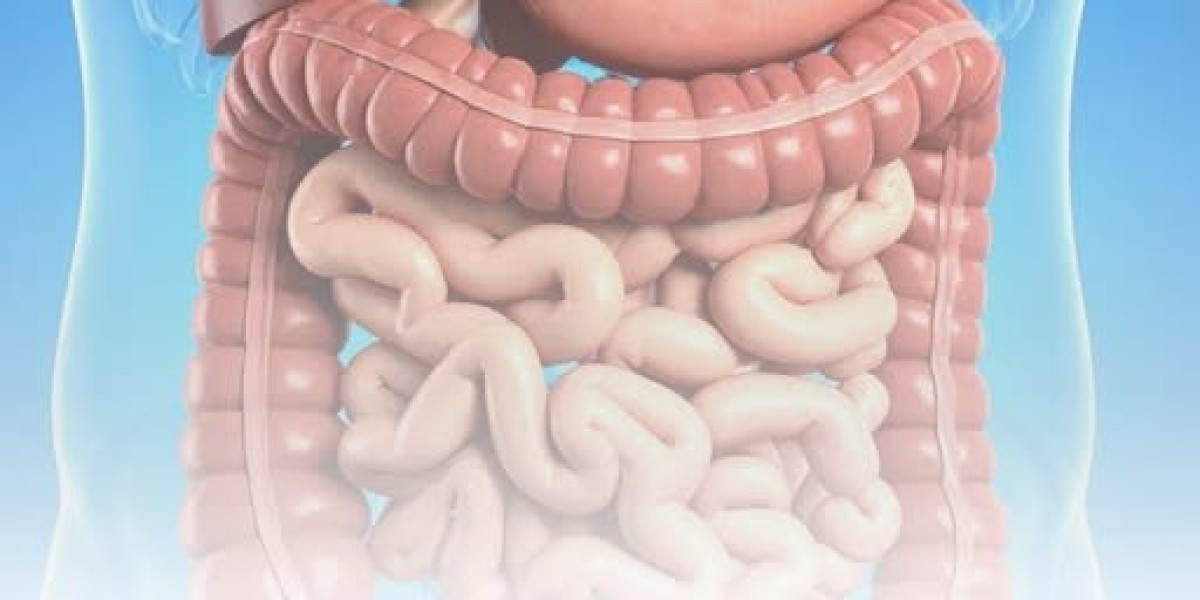

In today’s fast-paced lifestyle, health often takes a backseat to work, stress, and convenience. Among all organs, the liver is one of the most neglected — yet it performs over 500 vital functions in the human body. From detoxifying harmful substances to aiding digestion and regulating metabolism, the liver plays a central role in maintaining overall health.
Unfortunately, liver problems are increasing rapidly, especially in urban populations. Sedentary habits, processed foods, excessive alcohol consumption, stress, and unmanaged metabolic conditions are major contributors. The good news? Most liver disorders are preventable and manageable if detected early.
Understanding the Role of the Liver
The liver is the body’s natural filtration system. It:
Removes toxins from the bloodstream
Processes nutrients from food
Produces bile for digestion
Regulates cholesterol levels
Stores essential vitamins and minerals
Supports immune function
When the liver begins to malfunction, it does not always show obvious symptoms immediately. That is why awareness is crucial.
Common Liver Conditions Increasing Today
1. Fatty Liver Disease
Fatty liver disease occurs when excess fat builds up in liver cells. It is now one of the most common liver disorders worldwide.
There are two major types:
Non-Alcoholic Fatty Liver Disease (NAFLD) – linked to obesity, diabetes, and poor diet
Alcoholic Fatty Liver Disease – caused by excessive alcohol intake
In early stages, fatty liver may not cause noticeable symptoms. However, if ignored, it can progress to inflammation, fibrosis, and even cirrhosis.
2. Hepatitis
Hepatitis refers to inflammation of the liver. It can be caused by viral infections, autoimmune conditions, or toxins. Early detection and proper medical guidance are essential to prevent complications.
3. Cirrhosis
Cirrhosis occurs when healthy liver tissue is replaced by scar tissue. It is usually the result of long-term liver damage. Once advanced, it can significantly affect liver function.
4. GERD and Digestive Issues
While not directly a liver disease, chronic digestive issues like acid reflux and GERD can sometimes be associated with broader gastrointestinal health concerns. Persistent digestive symptoms should never be ignored.
Early Warning Signs You Should Not Ignore
Many liver diseases are silent in early stages, but some subtle symptoms may appear:
Persistent fatigue
Unexplained weight gain or loss
Loss of appetite
Mild abdominal discomfort (especially right upper side)
Yellowing of skin or eyes (jaundice)
Swelling in legs or abdomen
Dark urine
If any of these symptoms persist, it is advisable to consult a qualified specialist for proper evaluation.
Risk Factors That Increase Liver Problems
Certain lifestyle and medical factors significantly raise the risk of liver disease:
Obesity and poor diet
High sugar intake
Diabetes
High cholesterol
Excess alcohol consumption
Sedentary lifestyle
Long-term use of certain medications
Viral infections
Modern lifestyle patterns have made fatty liver disease particularly common among working professionals and young adults.
How to Protect Your Liver
The good news is that liver health can often be restored or maintained through simple changes.
1. Maintain a Healthy Weight
Even 5–10% weight reduction can significantly reduce liver fat in people with fatty liver disease.
2. Eat a Balanced Diet
Focus on:
Fresh vegetables and fruits
Whole grains
Lean protein
Healthy fats
Reduce:
Fried foods
Processed snacks
Sugary beverages
Excess red meat
3. Exercise Regularly
At least 30–40 minutes of moderate physical activity, 5 days a week, can improve liver function and metabolic health.
4. Limit Alcohol Intake
Excess alcohol is a major contributor to liver damage. Moderation is key.
5. Regular Health Checkups
Routine liver function tests (LFTs) can help detect early abnormalities before symptoms appear.
When Should You Consult a Specialist?
If you have:
Persistent digestive discomfort
Diagnosed fatty liver
Abnormal liver function reports
Long-term diabetes or obesity
Family history of liver disease
It is important to seek expert medical guidance. Early intervention can prevent long-term complications.
For detailed evaluation, liver screening, and personalized treatment guidance, you can consult a qualified gastroenterology and liver specialist at: https://www.drsaurabhargal.in/
Professional assessment ensures that minor issues do not progress into serious conditions.
Why Early Action Matters
One of the biggest misconceptions about liver disease is that it only affects people who consume alcohol. In reality, non-alcoholic fatty liver disease is now more common than alcohol-related liver damage.
Another myth is that liver disease always causes severe pain. In most cases, it does not. The liver can silently deteriorate over years before symptoms become serious.
That is why awareness, preventive screening, and lifestyle correction are critical.
Final Thoughts
The liver is one of the most resilient organs in the body. It has an incredible ability to heal and regenerate — but only if damage is addressed early.
With rising cases of fatty liver, metabolic disorders, and digestive complications, proactive health management has never been more important. Simple steps like balanced nutrition, regular exercise, and timely medical consultation can make a significant difference.
Your liver works silently every day to protect you. Taking care of it today ensures better health tomorrow.