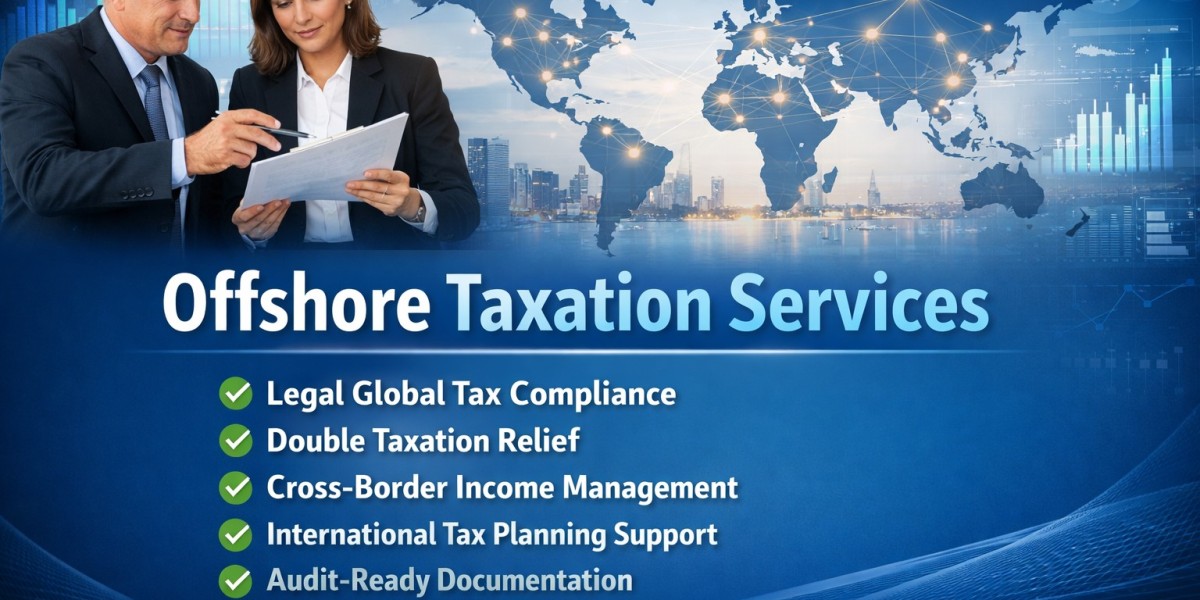

Offshore taxation is frequently surrounded by misconceptions. Many people mistakenly connect it with tax evasion or secrecy. In reality, offshore taxation—when handled properly—is completely legal, highly regulated, and commonly adopted by businesses and individuals earning income across multiple countries.
Is Offshore Taxation Legal?
Yes, offshore taxation is fully legal when businesses and individuals comply with tax regulations in all applicable jurisdictions.
Offshore taxation becomes unlawful only when it involves practices such as:
Hiding income from tax authorities
Not reporting foreign financial assets
Establishing artificial entities without real economic activity
Deliberately avoiding tax obligations
Today’s global tax environment emphasizes transparency, reporting accuracy, and regulatory compliance rather than secrecy.
Why Offshore Taxation Is Legally Accepted
With globalization driving international trade and investment, tax systems worldwide recognize cross-border financial activity. Therefore, regulations allow:
Formation of foreign subsidiaries or branch offices
International investment structures
Utilization of Double Taxation Avoidance Agreements (DTAA)
Foreign tax credit claims
Strategic global entity structuring
Legal offshore taxation ensures that income is taxed appropriately while preventing double taxation across countries.
What Are Offshore Taxation Services?
Offshore taxation services refer to outsourcing international tax research, compliance assistance, and documentation support to experienced professionals operating from offshore locations.
These services function under the supervision of licensed onshore CPAs, tax consultants, or accounting firms. Their objective is to improve compliance efficiency—not to eliminate tax liabilities unlawfully.
Common Offshore Taxation Services Include:
International tax research and analysis
Cross-border tax planning assistance
Foreign income reporting support
Transfer pricing documentation
Tax treaty evaluation
Permanent Establishment (PE) risk assessment
Coordination of global tax compliance
Final tax filings and professional certifications always remain the responsibility of authorized onshore advisors.
How Offshore Taxation Services Work
Offshore taxation follows a structured and compliance-driven workflow.
1. Global Tax Assessment
Professionals evaluate:
Countries where operations exist
Nature of income (business profits, salary, dividends, capital gains)
Organizational structure
Current tax responsibilities
2. Country-Specific Tax Research
Experts review:
Local taxation laws
Withholding tax requirements
Filing deadlines and obligations
Applicable treaty provisions
3. Double Taxation Analysis
Teams determine eligibility for:
DTAA benefits
Reduced withholding tax rates
Foreign tax credit claims
Tax residency rules
4. Documentation Preparation
Offshore specialists prepare:
Tax computation schedules
Supporting compliance documents