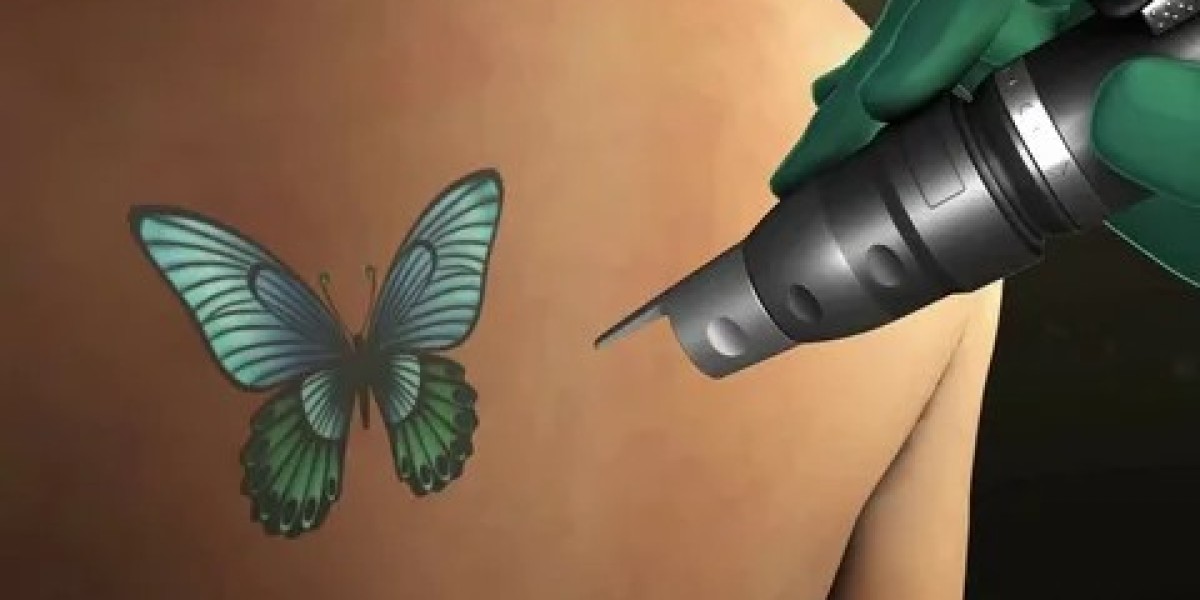

Sun exposure is a natural part of daily life in Dubai. With year-round sunshine and outdoor activities shaping the lifestyle, protecting your skin is always important. But if you’ve recently undergone Picosure Tattoo Removal in Dubai, you may be wondering whether sun exposure poses a serious concern. The short answer is yes—sun care becomes even more critical after laser tattoo removal treatments. Understanding why and how to protect your skin properly can make a significant difference in your results.
Why Skin Becomes Sensitive After Picosure Treatment
PicoSure laser technology works by delivering ultra-short pulses of energy to break down tattoo ink into tiny particles. These particles are then naturally eliminated by the body over time. While the treatment is precise and effective, it still creates controlled micro-injury within the skin.
After each session, your skin enters a healing phase. During this time, it may feel tender, appear slightly red, or develop mild swelling. Because the outer protective barrier is temporarily compromised, your skin becomes more vulnerable to environmental stressors—especially UV radiation.
In a sunny climate like Dubai, this increased sensitivity makes post-treatment sun protection essential.
How Sun Exposure Can Affect Healing
Sun exposure after laser tattoo removal can interfere with the healing process in several ways.
First, UV rays stimulate melanin production. When treated skin is exposed to direct sunlight, it may develop hyperpigmentation (darkening) or hypopigmentation (lightening). This can lead to uneven skin tone in the treated area.
Second, excessive sun exposure can increase inflammation. Since the skin is already repairing itself, additional UV damage may prolong redness, irritation, or swelling.
Third, sunburn on freshly treated skin can cause discomfort and delay the fading process. In some cases, it may even increase the risk of scarring if proper aftercare is not followed.
For optimal results, minimizing sun exposure between sessions is just as important as the treatment itself.
Dubai’s Climate and Its Impact on Recovery
Dubai’s intense sun and high UV index levels make post-laser care particularly important. Even short periods outdoors—such as walking to your car or sitting near a window—can expose your skin to significant UV radiation.
Sweating due to heat can also irritate the treated area, especially if tight clothing rubs against it. Outdoor beach days, desert activities, and poolside lounging should be approached with caution during the recovery period.
Planning your sessions strategically, especially during cooler months, can sometimes make aftercare easier to manage.
How Long Should You Avoid the Sun?
Most professionals recommend avoiding direct sun exposure on the treated area for at least two weeks after each session. However, this timeline can vary depending on your skin type and how quickly you heal.
Even after visible redness fades, the skin may still be sensitive beneath the surface. Continued sun protection throughout the entire tattoo removal process—often spanning multiple sessions—is strongly advised.
Consistency in aftercare ensures better fading results and reduces the risk of unwanted pigmentation changes.
Essential Sun Protection Tips After Treatment
Protecting your skin doesn’t mean staying indoors entirely. With the right precautions, you can safely go about your routine.
Use a broad-spectrum sunscreen with high SPF on the treated area once it has fully healed and is no longer open or blistered. Reapply every two hours when outdoors.
Wear loose, breathable clothing that covers the treated area. Lightweight long sleeves or UV-protective fabrics are ideal in Dubai’s climate.
Avoid peak sun hours, typically between late morning and mid-afternoon, when UV rays are strongest.
Seek shade whenever possible, especially during extended outdoor activities.
These simple steps can significantly reduce the risk of pigmentation issues and help your skin recover smoothly.
What Happens If You Accidentally Get Sun Exposure?
Accidental sun exposure can happen, especially in a bright city like Dubai. If the treated area becomes red or irritated after sun contact, apply a soothing, fragrance-free moisturizer and avoid further sun exposure.
Monitor the area for unusual changes such as excessive darkening, blistering, or prolonged sensitivity. Keeping the skin hydrated and protected moving forward can often prevent long-term effects.
The key is not to panic but to respond quickly and protect the area from additional UV damage.
Can You Resume Normal Sun Activities After Completing Sessions?
Once your full series of treatments is complete and the skin has fully healed, normal sun exposure can gradually resume. However, maintaining good sun protection habits remains beneficial for overall skin health.
Laser-treated skin can sometimes remain slightly more sensitive to UV rays compared to untreated areas. Regular sunscreen use helps preserve your results and maintain even skin tone long-term.
In a city where sunshine is abundant, adopting year-round sun protection habits is always a smart choice.
Why Sun Care Enhances Your Results
Tattoo removal is a gradual process. Each session builds on the previous one, breaking down more ink and allowing the body to clear it naturally. Healthy, well-protected skin responds better to each treatment.
When you prioritize sun protection, you reduce inflammation, prevent pigmentation changes, and support faster healing. This creates a better environment for the laser to do its job effectively in future sessions.
Simply put, your aftercare routine directly influences how successfully your tattoo fades.
The Bottom Line on Sun Exposure After Picosure
Sun exposure is indeed a concern after laser tattoo removal, especially in a sunny environment like Dubai. Protecting your skin is not just a recommendation—it’s an essential part of achieving smooth, even results. If you are considering or currently undergoing Enfield Royal Clinic, understanding the importance of sun safety will help you protect your investment and your skin. By staying consistent with proper aftercare and minimizing UV exposure, you can support optimal fading and enjoy clearer skin with confidence.