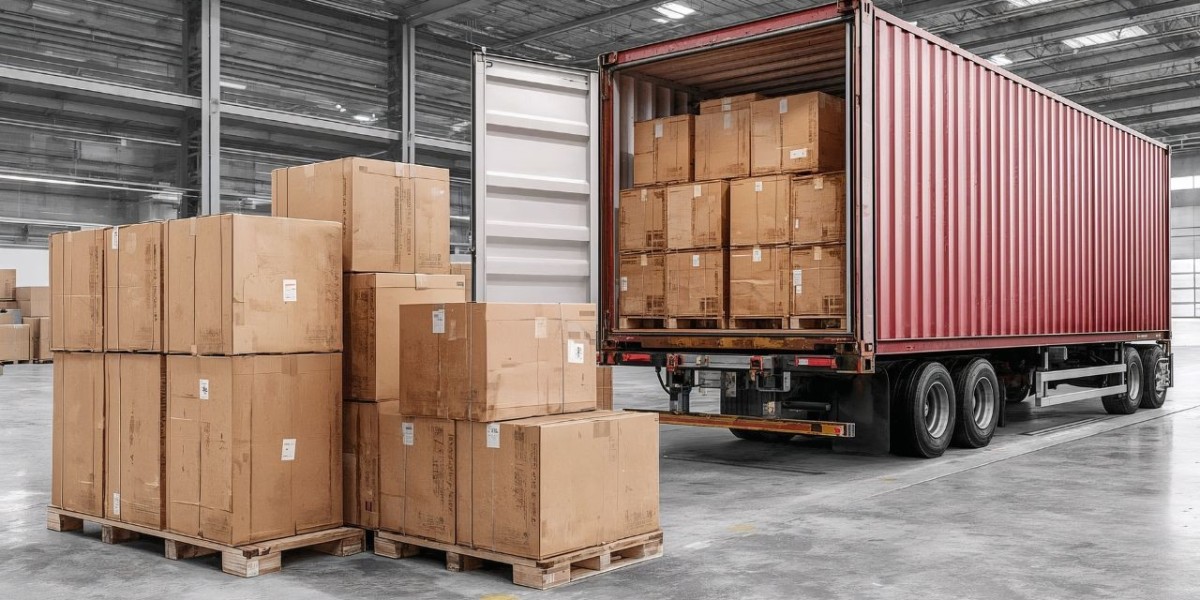

Exporting goods globally presents immense opportunities for Indian companies — from expanding markets to enhanced revenues. Yet international trade also brings cost pressures such as logistics, duties, taxes and compliance expenses. Here’s where Export Incentives for Businesses in India play a transformative role, helping firms improve profit margins, remain competitive and grow sustainably.
What Are Export Incentives?
Export incentives are government-backed financial benefits and rebates designed to reduce the cost of exporting goods. These incentives offset taxes, duties and levies that are otherwise non-refundable, enabling exporters to price products competitively in global markets. India’s export incentive framework includes several schemes under the Foreign Trade Policy, each targeting different cost elements faced by exporters.
Reducing Embedded Costs Through Duty Refunds
A major way export incentives support profitability is by refunding embedded taxes and duties that are not reimbursed through other channels. The Remission of Duties and Taxes on Exported Products (RoDTEP) Scheme refunds taxes such as mandi tax, VAT on fuel, electricity duty and toll charges, which are embedded in the cost of production and logistics.
These refunds are issued as transferable electronic duty credit scrips that exporters can use to pay import duties or sell to others, effectively reducing upfront costs. By lowering the overall cost base, firms can protect their margins without cutting prices aggressively in competitive markets.
Enhancing Cost Efficiency on Inputs
Export incentives also help businesses cut input costs. Schemes like the Export Promotion Capital Goods (EPCG) allow exporters to import capital goods at zero or reduced customs duty, provided they meet prescribed export obligations.
Lower input costs translate directly into higher margins. By reducing the cost of raw materials, machinery or technology upgrades, businesses can improve production efficiency and allocate savings toward innovation, marketing or market expansion.
Flexible Incentive Instruments Increase Liquidity
Incentives often come in the form of duty credit scrips, which exporters can hold, use against import duties, or transfer to other businesses. This flexibility enhances working capital by allowing firms to optimise cash flow, delaying outflows and using credits strategically as payment tools for future imports.
For some exporters, participating in the MEIS License Sale market (where duty credit scrips issued under the now-phased Merchandise Export from India Scheme could be sold) historically provided additional options to monetise export benefits, further aiding liquidity.
Boosting Competitiveness in Global Markets
By reducing the cost burden through rebates and exemptions, export incentives make Indian products more price-competitive in international markets. This is particularly significant in sectors facing stiff competition from countries like Vietnam, Bangladesh and China, whose export rebate systems are well established.
Even small reductions in export costs — in the range of 1–4 % of Free On Board (FOB) value — can influence buyer decisions, especially in price-sensitive markets. This can be the difference between winning a contract or losing it to a competitor with lower landed costs.
Supporting MSMEs and Startups
Small and medium enterprises (MSMEs) often operate with thin margins and limited access to capital. Export incentives enable them to bridge cost disadvantages by lowering export duties and offering credit mechanisms that support investment and growth.
Schemes such as Market Access Initiative (MAI) and Market Development Assistance (MDA) also help smaller firms with promotional and marketing support abroad, helping them increase exports without heavy upfront expenses.
Encouraging Long-Term Strategic Growth
Beyond immediate financial relief, export incentives encourage businesses to plan longer-term export strategies. Firms that consistently benefit from rebates and duty exemptions are more likely to invest in capacity expansion, product diversification and quality improvement — moves that enhance both global competitiveness and long-term profitability.
Conclusion
Export Incentives for Businesses are a critical tool in improving profit margins and enabling Indian firms to thrive on the global stage. By offsetting embedded costs, improving liquidity, and enhancing price competitiveness, export incentives help businesses mitigate cost pressures, grow foreign exchange earnings and build sustainable export models. As global trade evolves, effective utilisation of these schemes — combined with robust export planning and cost optimisation — can unlock significant value for Indian exporters.