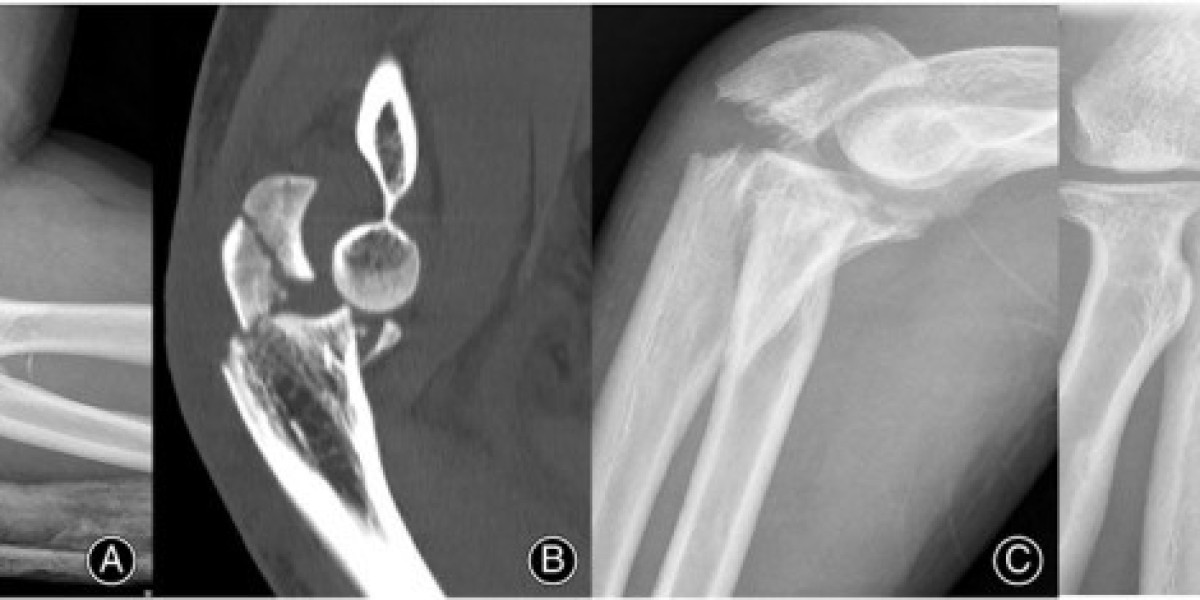

Injuries can happen unexpectedly, whether from sports, accidents, or simple falls at home. Understanding Fractures & Dislocations is essential for timely treatment and preventing further complications. At First Care Family Clinic, our team provides comprehensive care for both minor and severe injuries. Recognizing early warning signs ensures patients receive the right treatment promptly, reducing recovery time and promoting better long-term outcomes.
What Are Fractures & Dislocations?
A fracture refers to a break in the bone, which can range from a tiny crack to a complete break. Dislocations occur when the bones in a joint are forced out of their normal positions. Both conditions can be extremely painful and may limit mobility, but the causes and treatments can differ.
Fractures often happen due to trauma, repetitive stress, or underlying bone weakness. Dislocations are usually caused by sudden impact or awkward movements that push joints beyond their normal range. Early recognition is critical to prevent long-term damage and ensure proper healing.
Common Causes of Fractures & Dislocations
In everyday life, several situations can lead to fractures or dislocations:
- Falls and Accidents
Slipping on wet surfaces, falling from heights, or minor accidents at home or work are common triggers. - Sports Injuries
High-impact sports like football, basketball, or gymnastics put joints and bones at risk for sudden trauma. - Vehicle Collisions
Car or bicycle accidents often result in fractures or dislocations, particularly in the arms, legs, or shoulders. - Repetitive Stress or Weak Bones
Stress fractures can develop from repeated impact activities like running. Conditions like osteoporosis increase the risk of fractures even with minor trauma.
Early Warning Signs to Watch For
Recognizing the early symptoms of Fractures & Dislocations can make a significant difference in recovery. Common signs include:
- Intense Pain
Persistent pain at the injury site is often the first indicator of a fracture or dislocation. - Swelling and Bruising
Injured areas may swell quickly, and bruising can develop as blood collects under the skin. - Deformity or Misalignment
In dislocations, the joint may look out of place. Some fractures can also cause noticeable changes in limb shape. - Limited Mobility
Difficulty moving the affected limb or joint is a key warning sign. - Numbness or Tingling
Pressure on nerves from swelling or bone displacement may cause tingling sensations or numbness.
Early intervention is crucial. Ignoring these signs can lead to complications such as improper bone healing, joint instability, or chronic pain.
Differentiating Fractures from Sprains
Sprains and fractures may seem similar initially but require different treatments.
- Sprains involve stretching or tearing of ligaments, usually at joints like the ankle or wrist.
- Fractures involve actual bone damage.
While both injuries may cause pain, swelling, and bruising, fractures often have deformity, sharper pain, and more pronounced inability to move the limb. X-rays or other imaging tests are necessary to confirm the diagnosis.
Immediate Steps After Injury
When a fracture or dislocation is suspected, timely action is key:
- Immobilize the Area
Keep the injured limb still using a splint, sling, or padding to prevent further damage. - Apply Ice
Reduce swelling and numb pain by applying ice packs for 15,20 minutes every hour. - Elevate the Limb
If possible, elevate the injured area above heart level to minimize swelling. - Seek Medical Attention
Visiting an urgent care or emergency clinic ensures proper assessment, imaging, and treatment.
Prompt care not only relieves pain but also reduces the risk of long-term complications.
Treatment Options for Fractures & Dislocations
- Casting and Splinting
Fractures often require a cast or splint to keep the bone stable during healing. - Reduction for Dislocations
Dislocations are corrected through a process called reduction, which restores the bone to its proper position. - Pain Management
Over-the-counter or prescription pain medications help patients manage discomfort during recovery. - Physical Therapy
Rehabilitation strengthens muscles, restores mobility, and prevents stiffness after immobilization. - Surgery
Severe fractures or dislocations, especially those involving multiple bones or joint instability, may require surgical intervention.
At First Care Family Clinic, patients receive individualized care plans tailored to the severity and location of their injury.
Prevention Tips for Families
Prevention is always better than treatment. Simple precautions can reduce the risk of fractures and dislocations:
- Ensure children play in safe areas with protective gear.
- Use proper techniques during exercise and sports.
- Maintain bone health with calcium and vitamin D.
- Avoid slippery surfaces and fall hazards at home.
- Strengthen muscles around joints to improve stability.
Implementing these measures helps protect the whole family from avoidable injuries.
When to Seek Urgent Care
Immediate evaluation is essential if any of the following occurs:
- Severe pain or visible deformity
- Inability to move the limb
- Numbness, tingling, or loss of sensation
- Open wounds with bone exposure
- Persistent swelling or bruising
Early assessment by a medical professional ensures proper alignment, prevents complications, and accelerates recovery.
Conclusion
Understanding Fractures & Dislocations and their early warning signs is vital for maintaining health and preventing long-term damage. Timely recognition, proper immobilization, and professional care make a significant difference in recovery outcomes. At First Care Family Clinic, our team provides comprehensive evaluation and treatment for injuries of all severities, ensuring families receive expert, compassionate care when they need it most.
FAQs
Q1. What is the difference between a fracture and a dislocation?
A fracture is a break in the bone, while a dislocation occurs when bones in a joint are displaced from their normal position.
Q2. How can I tell if my child has a fracture?
Look for severe pain, swelling, bruising, deformity, limited movement, or unusual limb positioning.
Q3. How long does it take for a fracture to heal?
Healing time depends on the bone and severity, typically 6,8 weeks for minor fractures, longer for severe cases.
Q4. Should I try to move a dislocated joint before seeing a doctor?
No. Attempting to move it can worsen injury. Immobilize the area and seek medical attention immediately.
Q5. Can fractures and dislocations be prevented?
Yes, through safety measures, protective gear, proper exercise techniques, and maintaining bone health with nutrition and regular activity.