
Beach outings are a favorite activity for many families, offering opportunities for relaxation, outdoor play, and quality time together. However, spending extended hours in open coastal environments also brings certain challenges, including sun exposure, wind, and limited shade. For this reason, many families now consider bringing a canopy tent for the beach as an essential part of their beach-day preparation.
A well-designed beach canopy can provide shade, comfort, and a designated space where children and adults can rest between activities. Understanding how to choose the right canopy helps families enjoy safer and more comfortable beach experiences.
Why Shade Matters During Beach Activities
One of the biggest concerns during beach trips is prolonged exposure to sunlight. Beaches often have minimal natural shade, which means families rely on portable solutions to create a comfortable resting area.
A canopy tent offers several benefits:
Protection from direct sunlight
Reduced heat exposure during peak hours
A cooler resting spot for children
A designated area for storing personal items
For families with young children, having a shaded area becomes especially important, as children tend to be more sensitive to heat and sun exposure.
Key Features to Look for in a Beach Canopy
When selecting a canopy tent for the beach, several factors can influence comfort, safety, and ease of use. Families should consider the following features before making a decision.
1. UV Protection
A canopy designed for beach use should provide reliable UV protection. Fabrics with higher UV ratings help block harmful rays while still allowing airflow inside the shelter.
2. Stability in Windy Conditions
Beaches often experience stronger winds than other outdoor environments. A canopy with sturdy frames, sand anchors, or weighted corners can help maintain stability during breezy conditions.
3. Lightweight and Portable Design
Portability is another important factor. Since beach equipment is often carried over sand for some distance, a lightweight and foldable canopy design makes transportation easier.
4. Quick Setup
Families typically prefer canopies that can be assembled quickly without complicated instructions. Pop-up style canopies have become increasingly popular because they allow for faster setup and takedown.
Understanding Pop-Up Canopy Options
Pop-up canopy designs have gained attention in recent years due to their convenience and ease of use. These structures usually feature collapsible frames that expand into a full canopy with minimal effort.
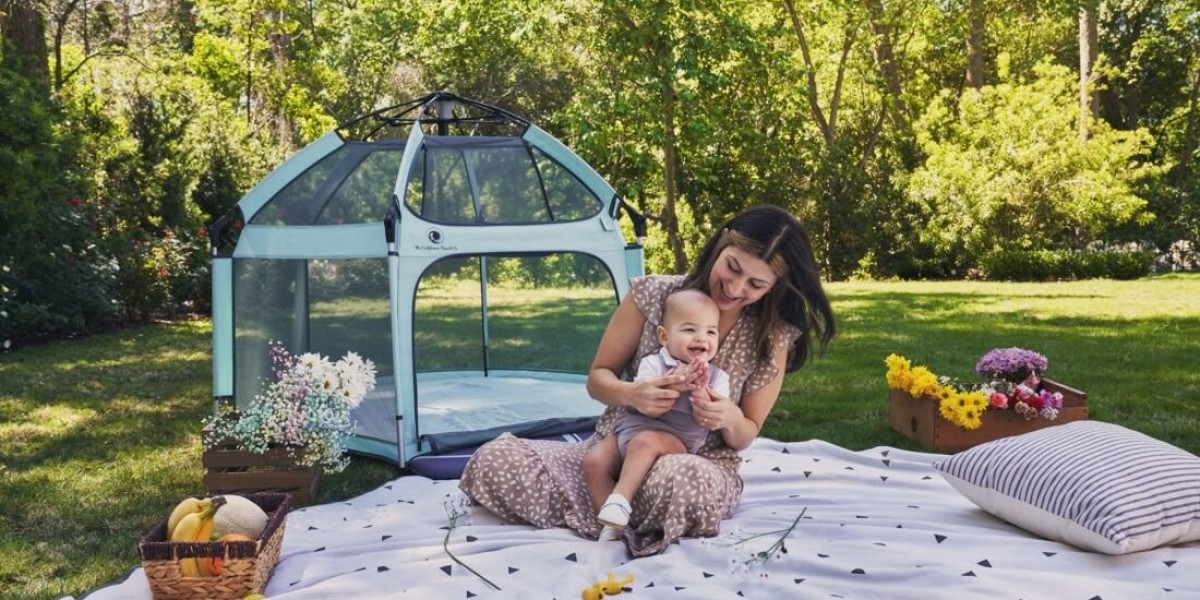
For families who visit beaches frequently, a Sweet Mint pop up canopy represents one example of the type of portable shade solution that simplifies outdoor setup. Pop-up canopy styles are particularly appealing because they reduce preparation time, allowing families to spend more time enjoying the beach.
The ease of setup also makes them practical for spontaneous beach visits or day trips where convenience is a priority.
Size Considerations for Family Use
The size of a beach canopy should match the number of people using it. Smaller canopies may work well for couples or individuals, while larger families often benefit from wider shade coverage.
Important considerations include:
Number of people using the canopy
Space for chairs or beach bags
Room for children to sit or rest
Storage for snacks, towels, and personal items
Selecting the right size ensures the canopy remains functional throughout the day without feeling overcrowded.
Ventilation and Airflow
Because beaches can become hot during midday hours, airflow is essential. Canopies with mesh panels, open sides, or ventilation windows allow air to circulate more effectively.
Proper ventilation prevents heat buildup inside the shaded area and helps maintain a comfortable environment, especially for children taking breaks from swimming or playing in the sand.
Durability and Material Quality
Beach conditions can be harsh on outdoor equipment due to salt, sand, and wind. Durable materials help ensure that a canopy can withstand repeated use.
Many beach canopies use lightweight aluminum or fiberglass frames paired with weather-resistant fabrics. Reinforced seams and corrosion-resistant materials can also extend the lifespan of the canopy.
Families who frequently visit coastal areas may benefit from investing in higher-quality materials designed specifically for outdoor conditions.
Practical Tips for Using a Beach Canopy
Once families choose the right canopy tent for the beach, proper use can enhance comfort and safety.
Helpful tips include:
Set up the canopy early before peak sun hours.
Secure anchors or weights to prevent movement in wind.
Position the canopy so that the opening faces away from strong wind.
Keep hydration and sunscreen within the shaded area.
These simple practices can improve the overall beach experience while helping protect both adults and children from excessive sun exposure.
The Growing Role of Portable Shade Solutions
As families spend more time outdoors, portable shade solutions have become a practical addition to beach outings. The ability to create a comfortable, shaded space allows families to stay longer, relax more easily, and maintain better sun protection throughout the day.
Whether visiting local beaches, coastal parks, or vacation destinations, having a reliable canopy can make outdoor activities more enjoyable and accessible for all family members.
Frequently Asked Questions (FAQs)
1. What size canopy tent is best for a family beach trip?
For most families, a medium to large canopy provides enough space for chairs, beach bags, and resting areas for children. The ideal size depends on the number of people and how much shade coverage is needed.
2. Are pop-up canopies suitable for windy beach conditions?
Many pop-up canopies are designed to handle moderate wind when properly anchored with sandbags or stakes. Stability features are important when selecting a canopy for beach environments.
3. How does a canopy tent help protect children at the beach?
A canopy tent creates shaded areas that reduce direct sun exposure, helping protect children from overheating and providing a comfortable place to rest between activities.
4. How long does it take to set up a pop-up beach canopy?
Most pop-up canopy designs can be assembled within a few minutes. Their quick setup is one of the main reasons they are popular among families who want a convenient beach shade solution.