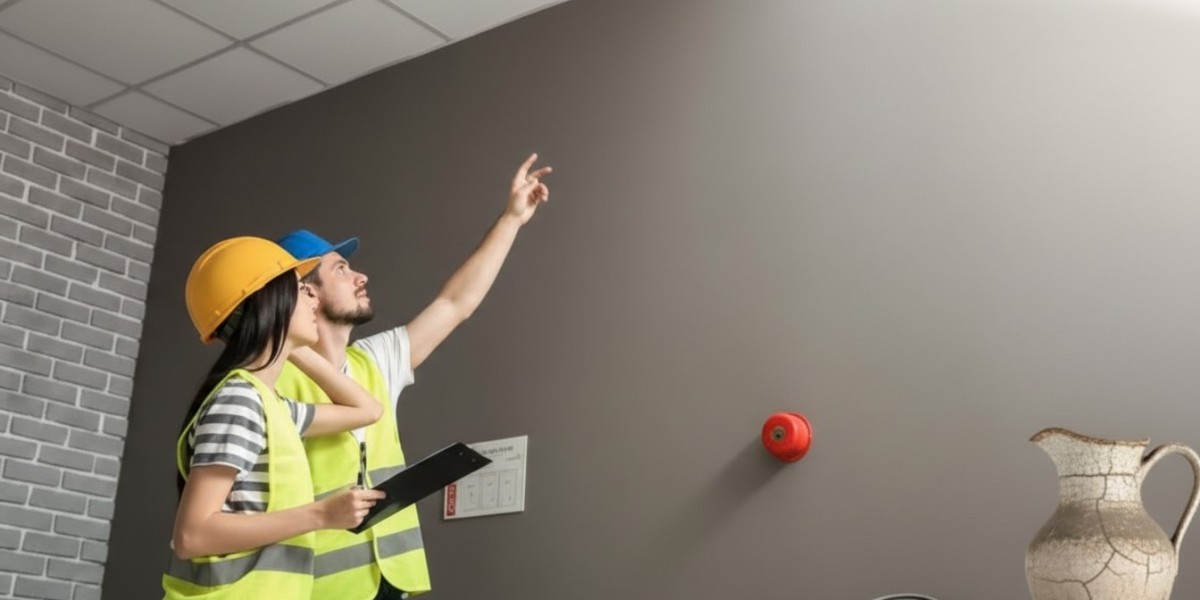

Buying a new home or property is one of the most significant investments a person can make. While newly constructed properties are expected to be perfect, it is common for small defects or unfinished work to exist. These issues may not be immediately visible but can affect the quality, functionality, and safety of the property. This is where snagging becomes an essential part of the property handover process.
Snagging refers to the process of inspecting a property to identify any defects, faults, or incomplete work before the buyer takes possession. The term “snag” is used to describe any flaw or minor problem in the property that needs attention. Conducting a thorough snagging inspection ensures that the property meets quality standards and is safe and ready for occupancy.
What is Snagging
Snagging is a detailed assessment of a property to detect imperfections or incomplete work. It is typically performed before the final handover from the builder or developer to the buyer.
The process involves checking for various types of defects, including cosmetic issues such as scratches, paint marks, and uneven finishes, as well as functional problems such as faulty plumbing, electrical issues, or misaligned fittings. The results of a snagging inspection are usually compiled into a detailed report, allowing the developer to correct all identified issues before the buyer moves in.
Snagging is commonly conducted in newly built homes, apartments, and commercial properties to ensure that the property is delivered as promised and meets construction standards.
Importance of Snagging
Snagging is vital for several reasons:
Quality Assurance: Even experienced builders can overlook minor details during construction. Snagging ensures that every part of the property meets expected standards.
Financial Protection: Addressing defects before moving in prevents buyers from incurring repair costs in the future. Small issues, if left unaddressed, can escalate into major problems.
Safety: Structural issues, faulty electrical systems, or plumbing leaks can pose risks to residents. Snagging helps identify and rectify these hazards before occupancy.
Peace of Mind: Knowing that the property has been professionally inspected gives buyers confidence in the quality and condition of their new home.
Areas Checked During Snagging
A thorough snagging inspection covers multiple areas of the property:
Walls, ceilings, and floors: Inspectors look for cracks, uneven surfaces, poor plastering, and paint imperfections.
Doors and windows: Proper alignment, smooth operation, and functioning locks are checked.
Electrical systems: Switches, sockets, lighting fixtures, and wiring are tested for safe and efficient operation.
Plumbing systems: Pipes, taps, showers, sinks, and drainage systems are examined for leaks and proper installation.
Kitchen and bathroom fittings: Cabinets, countertops, tiles, sanitary fixtures, and appliances are checked for correct installation and finish.
Heating and ventilation systems: These are inspected to ensure proper operation and comfort within the property.
By inspecting these areas, snagging ensures that the property is delivered in excellent condition, free from defects, and ready for use.
Common Issues Found During Snagging
Snagging inspections often reveal a variety of defects. Common issues include:
Cosmetic defects: Uneven paint, chipped tiles, scratches, or poorly finished plaster.
Functional issues: Doors or windows that do not close properly, misaligned cabinets, or faulty fittings.
Plumbing problems: Leaks, low water pressure, or blocked drainage systems.
Electrical faults: Loose switches, non-functioning sockets, or defective lighting.
Structural concerns: Cracks, uneven flooring, or inadequate insulation.
Identifying these defects early ensures that they are corrected promptly, avoiding complications after the buyer moves in.
When Should Snagging Be Done
Snagging should be conducted after construction is complete but before the final handover of the property. This timing allows the developer to address all defects without delaying occupancy.
In some cases, a follow-up inspection may be conducted after repairs have been made to confirm that all issues have been resolved satisfactorily. Performing the inspection at the correct stage maximizes its effectiveness and ensures a smooth handover process.
Benefits of Professional Snagging
While buyers may identify obvious defects themselves, hiring a professional snagging inspector provides several advantages:
Expertise: Professionals know where to look for hidden or technical issues that might be missed by untrained eyes.
Detailed reporting: A professional report documents every defect and serves as evidence for requesting corrections.
Time efficiency: Inspectors can assess all areas of the property quickly and thoroughly.
Confidence: Buyers can move in with peace of mind, knowing the property has been professionally checked.
Professional snagging ensures that no detail is overlooked and that the property is delivered to the highest standard.
Frequently Asked Questions
What is snagging in property?
Snagging is the process of identifying defects, faults, or unfinished work in a property before it is handed over to the buyer.
Is snagging necessary for new homes?
Yes, even newly built homes can have minor or hidden defects. Snagging ensures the property meets quality and safety standards.
Who carries out snagging inspections?
Professional property inspectors or experienced building specialists usually perform snagging inspections.
Can buyers do snagging themselves?
Buyers can check for visible defects, but professional inspections identify hidden issues that may be overlooked.
What happens after snagging?
A detailed report is created listing all defects. The developer corrects these issues before the buyer takes possession of the property.
Conclusion
Snagging is a crucial step for anyone buying a newly constructed or renovated property. It identifies defects, unfinished work, and installation problems before handover, ensuring the property meets high standards of quality and safety.
By conducting a professional snagging inspection, buyers protect their investment, avoid unexpected repair costs, and gain confidence in their new home. Snagging provides peace of mind and guarantees that the property is ready for comfortable living. For property buyers, investing in snagging is a small step that offers long-term benefits, ensuring that the home is delivered exactly as promised.