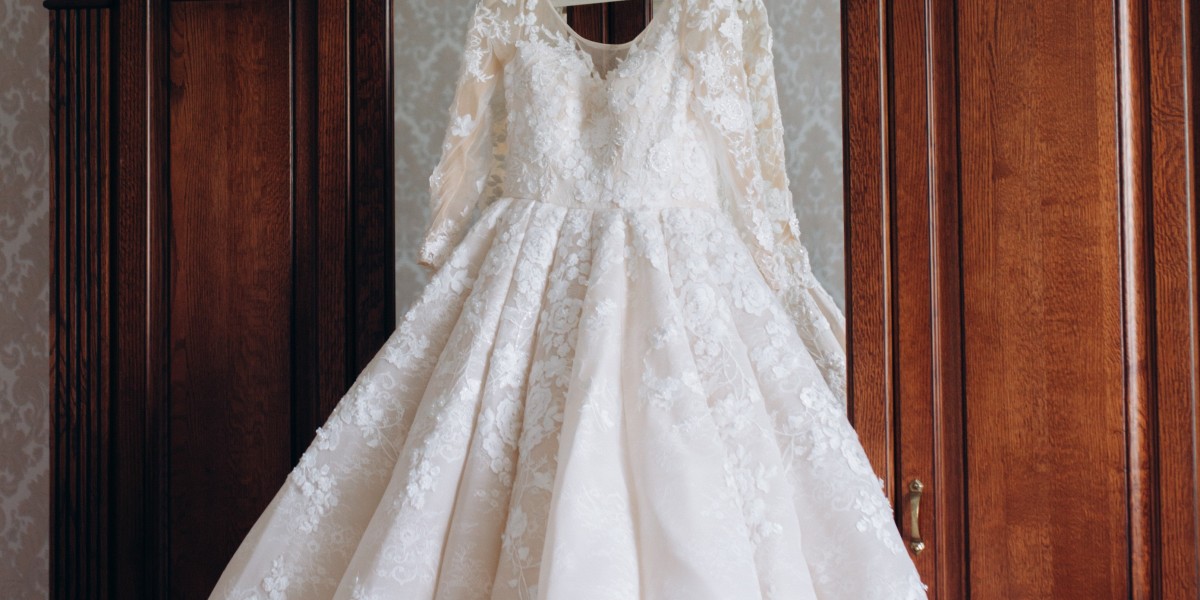

The wedding day is one of the most significant and emotionally charged days in a person's life. It is a day of love, celebration, and the beginning of a beautiful journey. And at the heart of every wedding day is the bride — radiant, beautiful, and dressed in a gown that captures the essence of the moment. Wedding gowns are unlike any other garment; they carry the weight of dreams, the joy of anticipation, and the beauty of commitment. Choosing the perfect wedding gown is not just a fashion decision — it is a deeply personal and meaningful experience.
The History of Wedding Gowns
The tradition of wearing white wedding gowns is relatively modern, popularized by Queen Victoria when she wore a white lace gown at her marriage to Prince Albert in 1840. Before this, brides typically wore their best dress regardless of color — red, blue, silver, or any other hue that was in fashion or reflected their social status. Queen Victoria's choice of white, associated with purity and elegance, quickly became the dominant tradition in Western culture and has remained so ever since.
Today, while white and ivory remain the most popular choices for wedding gowns, brides around the world are increasingly embracing colored gowns, non-traditional silhouettes, and culturally specific bridal attire. The modern bridal landscape is gloriously diverse, offering options for every aesthetic preference, cultural background, and personal style. Whether a bride dreams of a classic ivory ballgown or a dramatic champagne mermaid dress, the world of wedding gowns has something extraordinary to offer.
Choosing the Right Silhouette
The silhouette of a wedding gown is perhaps the most fundamental design decision a bride will make. It shapes the overall impression of the look and should ideally complement the bride's natural figure while reflecting her personal style. The ballgown, with its cinched waist and dramatically full skirt, is the most traditional and romantic bridal silhouette. It creates a fairy-tale effect that is perfect for grand, formal weddings. For brides who have always dreamed of looking like a princess, the ballgown wedding gown is the ultimate choice.
The A-line silhouette, which flares gently from the waist, is universally flattering and works beautifully for a wide range of body types. The mermaid or trumpet silhouette, which hugs the body and flares at or below the knee, creates a sensational, form-fitting look that is ideal for brides who want to showcase their curves. The sheath silhouette, sleek and streamlined, is the choice of the minimalist bride — effortlessly elegant and modern. The empire waist silhouette, with its high waistline just below the bust, creates a romantic, flowing effect that is particularly beautiful in lightweight fabrics.
The Role of Fabric in Wedding Gowns
In the world of wedding gowns, fabric is everything. The choice of fabric determines how the gown drapes, how it moves, how it photographs, and how it feels against the skin on the most important day of your life. Silk is the queen of bridal fabrics — luxurious, lustrous, and incredibly beautiful. Silk satin creates a smooth, high-sheen finish that is perfect for sleek, modern wedding gowns. Silk charmeuse, with its soft, flowing quality, is ideal for romantic, draped silhouettes.
Lace is another quintessential bridal fabric, adding timeless elegance and intricate beauty to wedding gowns. Chantilly lace, with its delicate floral patterns, creates an incredibly romantic effect. Guipure lace, with its bolder, more graphic patterns, adds a modern edge to bridal design. Tulle, the ethereal, lightweight fabric used in ballgown skirts, creates the voluminous, dreamy silhouette that defines the classic princess wedding gown. Organza, slightly stiffer than tulle, adds structure and dimension to wedding gown designs.
Embellishments and Details
The embellishments on a wedding gown can transform it from beautiful to breathtaking. Intricate beadwork in pearl, crystal, or diamond adds shimmer and dimension to the bodice and sleeves of a wedding gown. Hand-embroidered floral motifs in delicate thread work create a romantic, artisanal quality. Swarovski crystal embellishments catch the light with every movement, creating a dazzling effect in photographs and in person. Floral appliques in fabric or lace add a three-dimensional quality that is incredibly beautiful up close.
The details of a wedding gown — the buttons, the train, the neckline, the sleeve design — are equally important. A cathedral train that extends several feet behind the bride creates a dramatic, formal effect perfect for grand church ceremonies. A sweep train that just grazes the floor adds elegance without impracticality. An off-shoulder neckline frames the face and shoulders beautifully. Long, illusion sleeves in sheer lace add a romantic, modest touch. Every detail contributes to the overall beauty and cohesion of the bridal look.
Designer Wedding Gowns vs. Custom Creations
The bridal market offers two primary pathways to the perfect wedding gown: purchasing a designer gown from a bridal boutique or commissioning a custom creation from a bridal designer. Designer wedding gowns offer the assurance of quality, the prestige of a recognized label, and the convenience of a ready-made sizing range. Working with renowned bridal houses and established designers gives brides access to the finest fabrics, the most skilled construction, and designs that have been refined through years of expertise.
Custom wedding gowns, on the other hand, offer the ultimate in personalization. A custom gown is designed specifically for the bride — her measurements, her preferences, her vision. Every detail, from the fabric to the embellishments to the silhouette to the train length, is tailored to her exact specifications. The result is a truly one-of-a-kind creation that is as unique as the bride herself. While custom wedding gowns require more time and investment, the result is often a piece of art that the bride will treasure for a lifetime.
Bridal Accessories
No bridal look is complete without the right accessories. The veil is perhaps the most iconic bridal accessory — a symbol of tradition, romance, and the solemnity of the wedding ceremony. Veils come in many lengths and styles, from the dramatic cathedral veil that matches the length of the train to the simple blusher veil that just covers the face. The choice of veil should complement the silhouette and detail level of the wedding gown.
Jewelry should enhance rather than overwhelm the bridal look. For heavily embellished wedding gowns, understated jewelry is often the best choice — simple diamond or pearl studs and a delicate bracelet allow the gown to remain the star. For simpler, minimalist wedding gowns, a statement necklace or dramatic earrings can add the glamour and sparkle that the dress leaves room for. The bridal shoe is equally important — a beautiful pair of heels or elegant flats that complement the gown and allow the bride to dance comfortably through the evening.
Conclusion
Wedding gowns are the ultimate expression of bridal beauty and personal style. They are garments that capture a moment in time and carry a lifetime of meaning. Whether you dream of a classic ivory ballgown or a sleek, modern sheath, whether you envision intricate lace or minimalist silk, the perfect wedding gown exists for every bride. Take the time to explore your options, trust your instincts, and choose the gown that makes you feel most beautifully, authentically yourself. Because on your wedding day, you deserve nothing less than perfection.