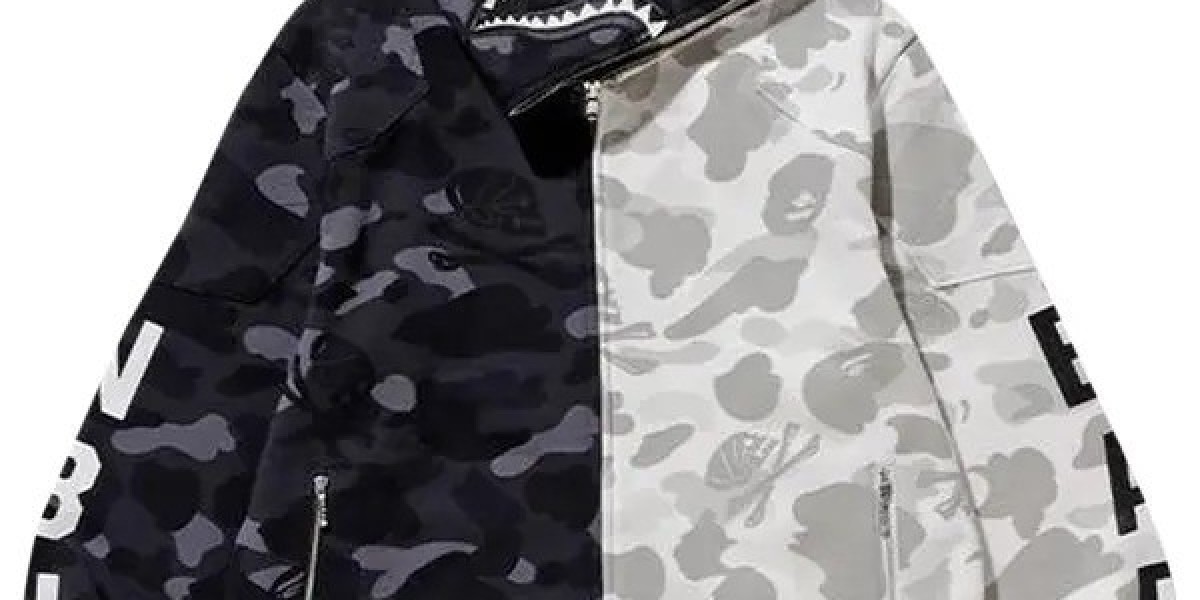

Japanese fashion has always been creative, expressive, and deeply connected to youth culture. Among the many labels that shaped this landscape, BAPE stands as one of the most influential. The brand, officially known as A Bathing Ape, changed how people viewed streetwear in Japan and beyond. Founded in 1993 by designer Nigo, BAPE emerged from the vibrant Harajuku fashion scene in Tokyo.
Before BAPE appeared, Japanese fashion was already respected for its creativity. However, most high fashion remained separate from youth street culture. BAPE helped bridge that gap. It turned casual clothing into a cultural statement that spoke directly to young people. The brand’s bold graphics, camouflage patterns, and unique branding created a visual language that quickly spread through Japan. Over time, BAPE became more than clothing. It became a symbol of identity, creativity, and urban culture.
The Birth of Harajuku Streetwear
The story of bape begins in the streets of Harajuku, one of Tokyo’s most famous fashion districts. In the early 1990s, Harajuku was already known for experimental styles and youth creativity. Young people gathered there to express themselves through clothing that broke traditional fashion rules.
When Nigo launched BAPE in 1993, he tapped directly into this energy. The brand first appeared in a small boutique called NOWHERE, which quickly became a hotspot for underground fashion.
At the time, Japanese youth wanted clothing that felt different from mainstream fashion. BAPE answered that desire. Its designs combined playful graphics, bold colors, and street culture influences. Instead of copying Western fashion trends, BAPE created something uniquely Japanese yet globally appealing. This approach helped Harajuku become one of the most influential fashion neighborhoods in the world.
Nigo Vision and Creativity
Much of BAPE’s success came from the creative vision of its founder. Nigo was not only a designer but also a passionate collector of music, art, and vintage culture. His inspirations came from many places including hip hop music, pop art, and vintage American style.
This mixture of influences helped shape BAPE’s identity. The brand was playful but carefully designed. It used recognizable symbols like the Ape Head logo and colorful camouflage patterns. These visuals helped fans instantly recognize the brand.
Nigo also understood the importance of storytelling in fashion. Every design felt connected to a larger cultural narrative. Instead of simply selling clothes, BAPE sold a lifestyle connected to music, creativity, and youth culture. This storytelling approach helped the brand stand out within Japan’s crowded fashion industry.
Limited Drops and Street Hype
One of bape hoodie most revolutionary ideas was its approach to production and marketing. Instead of producing large quantities of clothing, Nigo deliberately limited supply. Early on, the brand produced only small numbers of items each week.
This strategy created a sense of exclusivity. Fans often lined up outside stores hoping to buy the latest designs before they sold out. The excitement around these limited releases created a strong community among streetwear enthusiasts.
The approach also changed how Japanese brands thought about marketing. Traditional fashion relied heavily on advertising campaigns. BAPE relied on hype, word of mouth, and cultural influence. This method later became a common strategy in the global streetwear industry. Many modern brands follow similar release models today.
Bold Design and Visual Identity
Another reason BAPE changed Japanese fashion was its distinctive visual style. The brand did not follow the minimal aesthetic common in traditional Japanese clothing. Instead, it embraced bold graphics and vibrant colors.
Signature elements such as camouflage patterns and large logos helped define the brand’s look. The camouflage designs often included hidden Ape Head motifs that made them instantly recognizable.
Another famous design was the shark hoodie, which could zip completely over the wearer’s face. These kinds of playful ideas turned ordinary clothing into conversation pieces.
This bold approach influenced many younger designers in Japan. It showed that fashion could be expressive, loud, and creative. As a result, Japanese streetwear became more experimental and visually dynamic.
Connection with Music Culture
BAPE also helped connect Japanese fashion with global music culture. Hip hop played a major role in shaping the brand’s image and popularity. Nigo himself was heavily inspired by hip hop artists and street culture.
Musicians and artists began wearing BAPE clothing in music videos and public appearances. This exposure introduced Japanese streetwear to audiences outside Japan. Soon the brand gained recognition in cities around the world.
This connection between fashion and music created a powerful cultural movement. Young fans started to see clothing as a form of personal expression linked to music and lifestyle. BAPE played a central role in building this relationship between style and cultural identity.
Expansion Beyond Japan
During the early 2000s, BAPE expanded beyond Japan and gained international attention. What started as a niche brand in Harajuku became a global streetwear icon.
International fans were attracted to the brand’s unique design language and limited availability. BAPE stores opened in major cities around the world, helping spread Japanese streetwear culture internationally.
Despite this global expansion, the brand maintained its connection to Japanese fashion roots. Harajuku remained a symbolic center of the brand’s identity. The success of BAPE showed that Japanese streetwear could compete with global fashion trends while staying authentic.
Lasting Impact on Japanese Fashion
The influence of BAPE on Japanese fashion is still visible today. The brand helped define the modern streetwear movement in Japan. It encouraged young designers to experiment with bold graphics, limited releases, and strong branding.
Before BAPE, many Japanese labels focused on traditional tailoring or high fashion aesthetics. After BAPE, streetwear became a respected and powerful part of the fashion industry.
The brand also helped make Harajuku a global symbol of youth culture and creativity. Tourists and fashion fans from around the world began visiting the area to experience its unique style scene.
More importantly, BAPE showed that fashion could combine creativity, culture, and community. This philosophy continues to influence many designers and brands today.
Cultural Legacy of BAPE
Today, BAPE remains one of the most recognizable streetwear labels in the world. Its iconic designs and cultural influence continue to shape modern fashion trends.
More than thirty years after its creation, the brand’s legacy still reflects the creative spirit of Japanese street culture. It demonstrated that fashion could grow from local youth movements and eventually reach global audiences.
BAPE changed how people view streetwear in Japan. What once seemed like underground style became an important part of the fashion industry. Through creativity, exclusivity, and cultural connection, BAPE helped redefine Japanese fashion for a new generation.
FAQs
What does BAPE stand for
BAPE stands for A Bathing Ape, a Japanese streetwear brand founded in Tokyo in 1993.
Who created BAPE
BAPE was created by Japanese designer Nigo, whose real name is Tomoaki Nagao.
Why is BAPE important in fashion
BAPE helped transform Japanese streetwear by introducing bold designs, limited releases, and strong cultural connections with youth culture.